
You replied WIN, so here it is. One of my private clients went from an apartment building that ate his week to a Starbucks that pays him $4,004 a month. Real photos and real numbers, every step of the way.
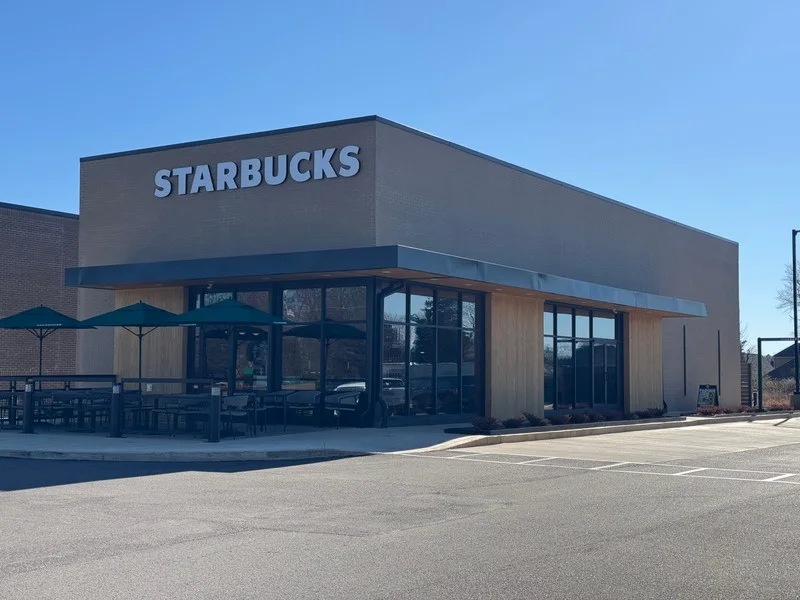
This is a true story. The properties and the photos are real, and every dollar amount came straight off the closing paperwork. I'm keeping his name out of it because his finances are his business, but nothing here is rounded up to sound better.
People hear "my client owns a Starbucks" and assume he started rich or got lucky. He did neither. He's a coaching client, and I was in his corner for every move on this page, from the day we figured out his "cash flow" building made no money to the day he wired the down payment for the Starbucks. He made seven moves in a specific order, and the order is the entire lesson.
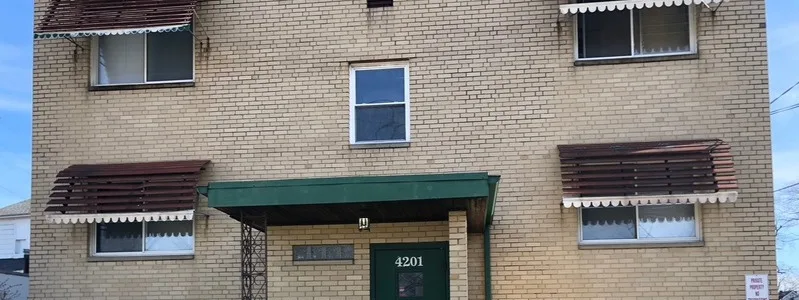
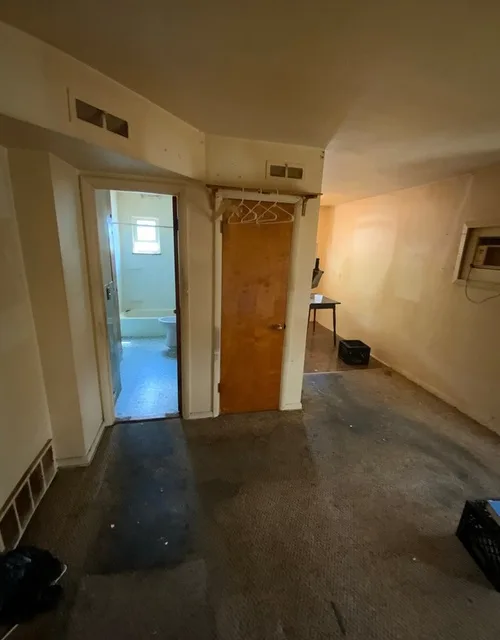
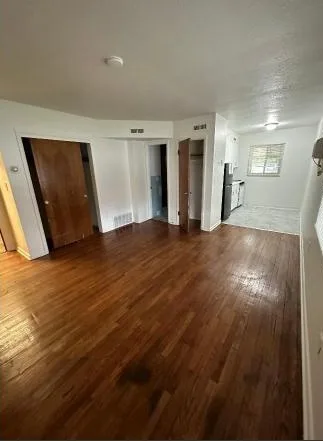
This is where he started. An 11-unit apartment building in Cleveland, bought for $380,000 in March 2021. On paper it looked like a machine that prints rent checks.
The trap was how good the listing looked. Eleven units for $380,000 with rent projections over $100,000 a year reads like a cheat code. It wasn't. He lived far from Cleveland and rarely saw the place, so nobody was really watching the empty units or the repairs that never got done, and every one of those eleven doors was one more thing that could break or stop paying. If you've been eyeing a cheap building in another state because the numbers look unreal, believe the word unreal. Deals that seem too good to be true usually are.
For his roughly $27 a day he answered constant calls, dealt with repairs, and went through three property managers who each promised to take it off his plate. He ended up doing their job too. By the end he had a name for the building: his second job.
And he couldn't see it from the inside. He was too busy doing the work to notice the work didn't pay. One of the first things we did together was run this building's real numbers on paper, the way you just read them, and that's when the $9,700 stopped hiding.
He also owned a single family house in Fresno, California. He'd bought it for his sister's family to live in. Plans changed and they never moved in, so the house just sat there.
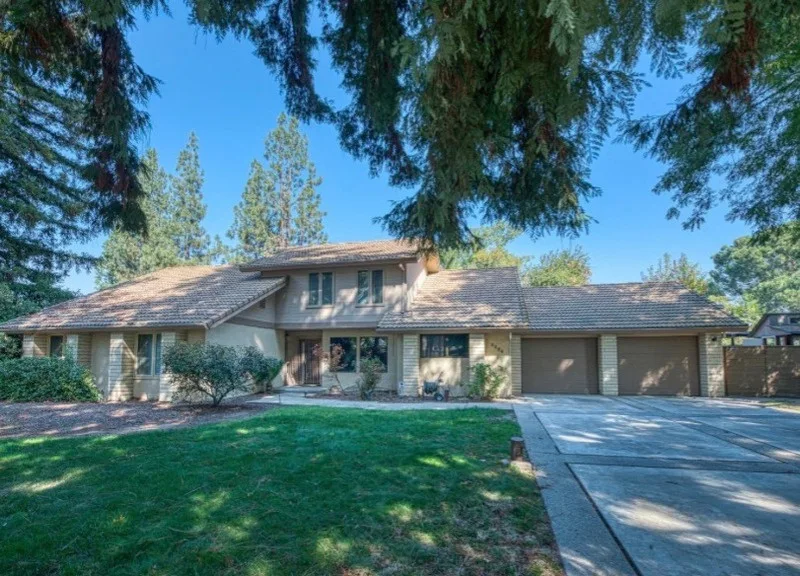
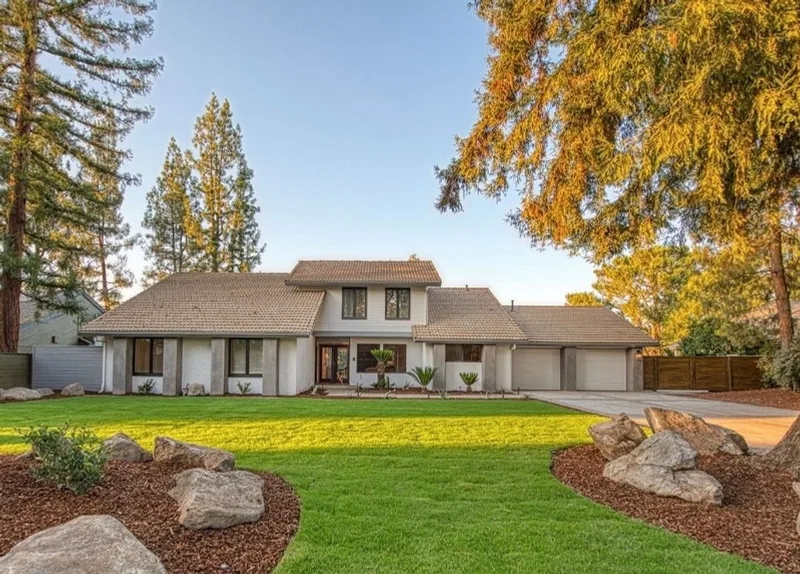
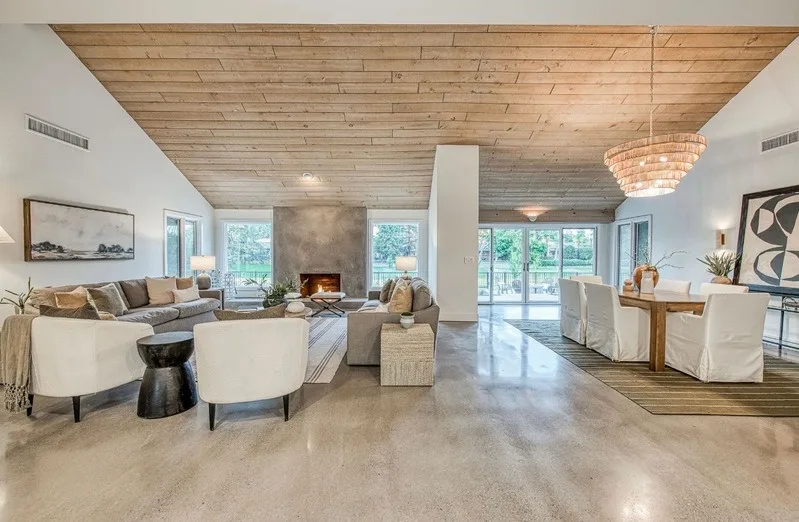
Most people would slap a tenant in it and move on. By then we'd rebuilt how he sizes up a property: ask what the equity could be doing, then compare that to what it's doing now. Through that lens, a paid-for house nobody lives in is a pile of money wearing a house costume. It was in a great neighborhood, and great neighborhoods pay for renovations.
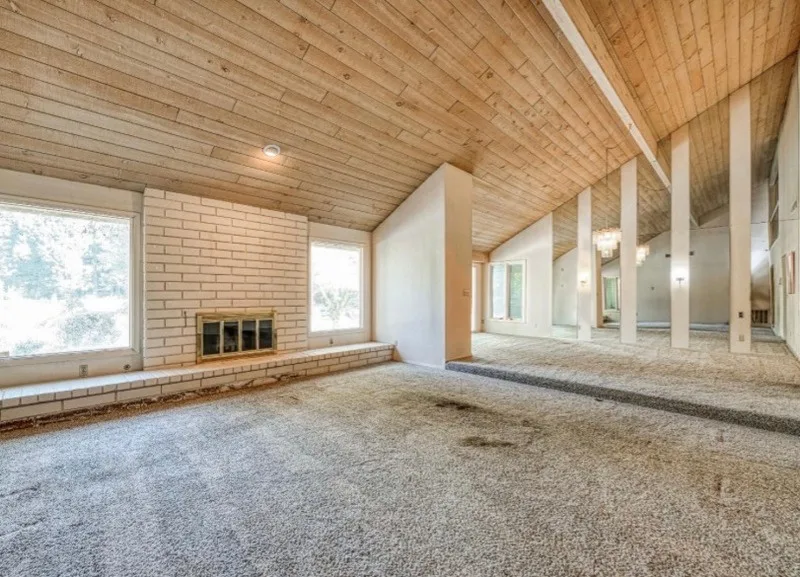
He bought it at $600,000 and put another $393,357 into a full down-to-the-studs luxury rebuild. Look at what that money did:
After paying off the loan and the renovation, he walked away from the closing table with $480,175.
 Before
 AfterBefore
 After
After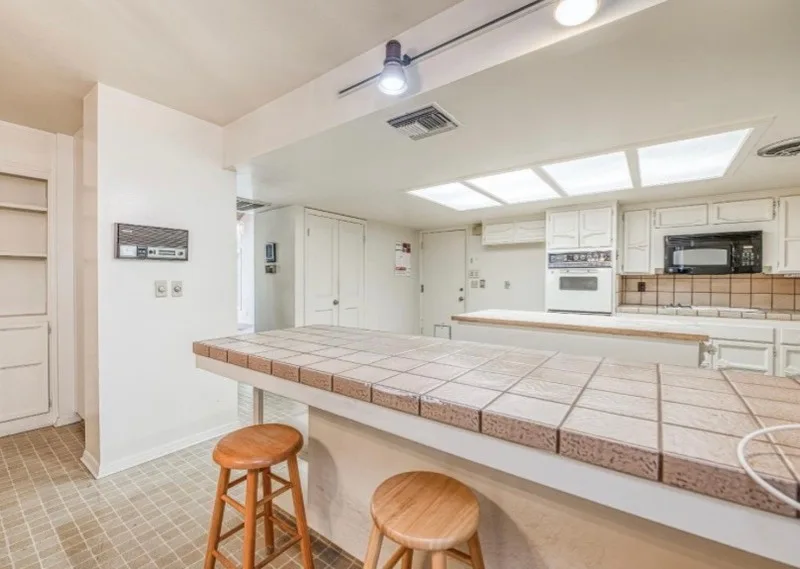 Before
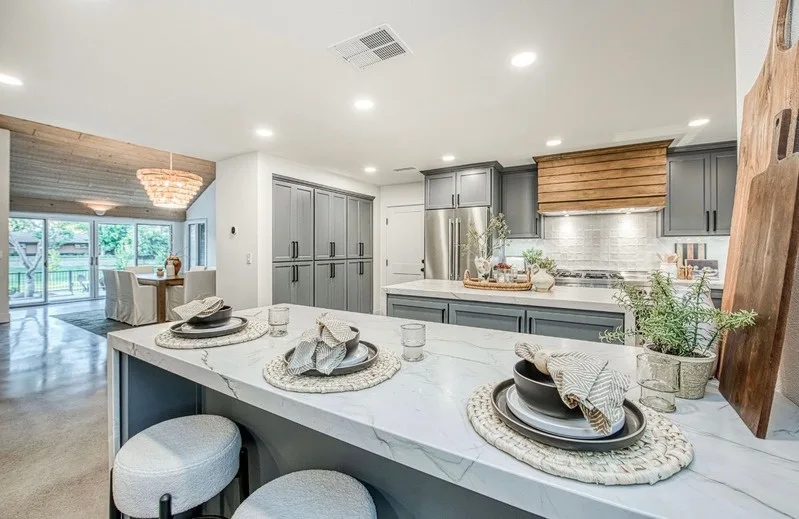 After
After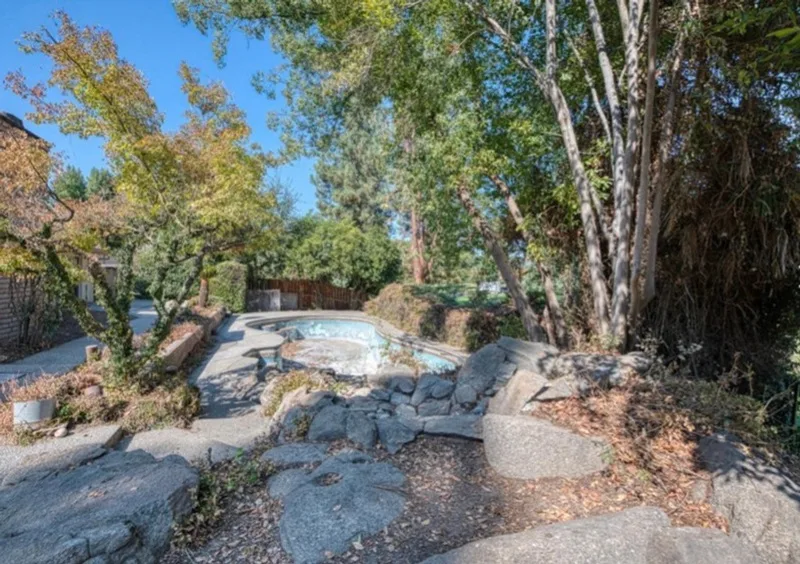 Before
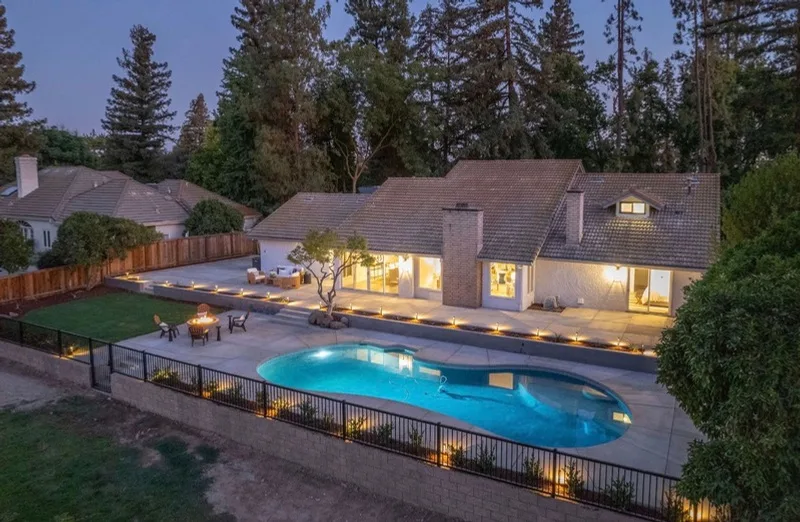 After
AfterSame house and same pool, in the listing photos from before and after the rebuild.
Then he did the thing most people never do. He sold the Cleveland building, the one that was supposed to be his path to passive income. That sale put another $273,513 on the pile.
Why do most people never do this? Because selling the "good" rental feels like admitting the mistake. This is the conversation where a coach earns his keep. My job was to put the choice in front of him plainly: keep defending the building, or keep the equity. He decided he'd rather admit the mistake than keep paying for it every weekend.
Normally when you sell property for a profit, the IRS takes its cut before you can use the money again. On $750,800 of equity that cut is enormous. There's a rule in the tax code called a 1031 exchange: put the money from a property you sold into another property within a set time window, and the tax bill waits. It comes due someday, but until then every dollar keeps working for you instead of leaving in April. The exchange has strict deadlines and no do-overs, so we planned his before anything sold, and the whole $750,800 landed intact on the next deal.
The pile was ready, but he didn't grab the first listing with a green logo on it. He worked the search with me, and we put about 50 Starbucks buildings for sale side by side before this one stood out.
Then he did the part almost nobody does for a "passive" deal. He went to the store in person, ordered a coffee, and asked the staff how busy the mornings really get. He sat and watched the drive thru line, then drove the area to see what was being built nearby and whether enough people live there to keep that line full.
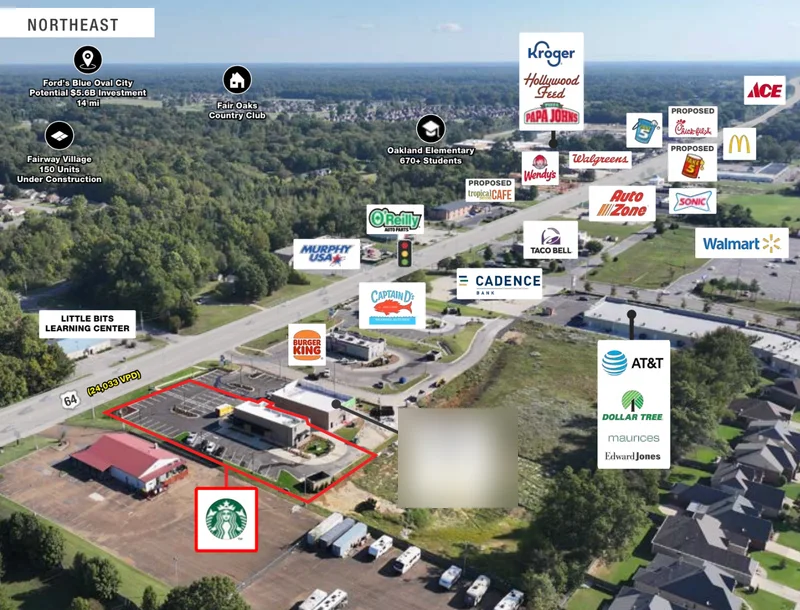
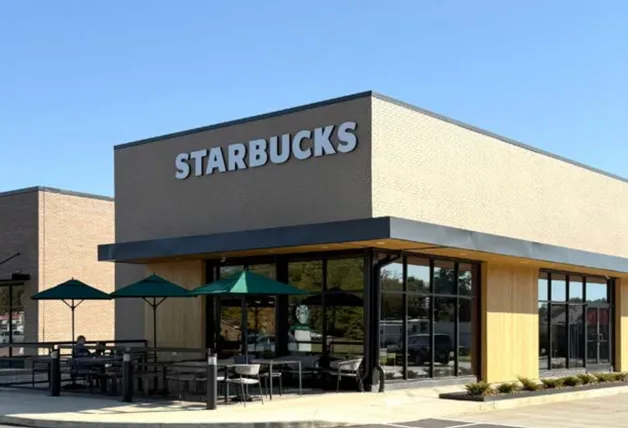
A corporate-backed Starbucks in Oakland, Tennessee. Purchase price $2,018,800, bought with his $750,800 down and a loan on the rest. The bank liked the deal as much as he did. When you show up with that much down and Starbucks corporate signing the rent checks, you get loan terms most first-time commercial buyers only hear about.
It's on a double net lease, which is how every Starbucks does it. Starbucks pays the property taxes and the insurance and handles everything they touch day to day. The owner stays responsible for the big bones of the property, meaning the roof, the structure, and the parking lot. That responsibility is exactly what scares buyers away from these deals.
His answer was to buy brand new. The store was built in 2025, so the one problem he'd ever have to solve, the roof, was a year old on the day he closed. And the rent comes from one of the biggest companies on earth instead of a tenant who might lose a job in a bad month.
Notice the reversal too. The Ohio building needed him on site constantly and almost never got him, and it fell apart. The Starbucks he never needs to check on at all, and it runs perfectly. He told me the strangest part is that he's almost bored with it now. After years of putting out tenant fires for $27 a day, a building that performs without him took some getting used to. Bored was the goal the whole time.

One more thing happened after the purchase. His accountant ran a study on the building called cost segregation. The idea is simple: parts of a building wear out much faster than the walls and the roof, and the tax rules let you count that wear early instead of over decades.
| Before | After | |
|---|---|---|
| Time | 10+ hours a week | Under an hour a month |
| Calls | Constant | None |
| Net income | About $9,700 a year, unstable | $4,004 a month, on a corporate lease |
| Tenant | 11 units, 3 property managers | Starbucks corporate |
Read the steps again and notice what he never did. He never bought the Starbucks first. A $2 million commercial building was out of reach the day he started, and it stays out of reach for most investors because they try to save their way to the down payment.
The flip built the equity. The 1031 kept the IRS out of it. Selling the apartment building, the move that felt like going backwards, is what freed the rest. Run those out of order and the math falls apart.
He did all of this inside our coaching room, and it would've been nearly impossible alone.
Want to do it yourself? Book a call with Katelyn from the Be Wealthy Podcast and see if you qualify for a seat.
Calendar not loading? Open it in a new tab.