Brett Tanner sold a house for $110,000 with seller financing and carried a $95,000 loan at 9.9%, which paid close to 19% on the $52,000 he had in it. The buyer made 54 payments, then went silent. Brett and Katelyn Mitchell walk through the missed payments, the four options a lender has, the foreclosure process in Alabama, and how the buyer caught up before the sale.
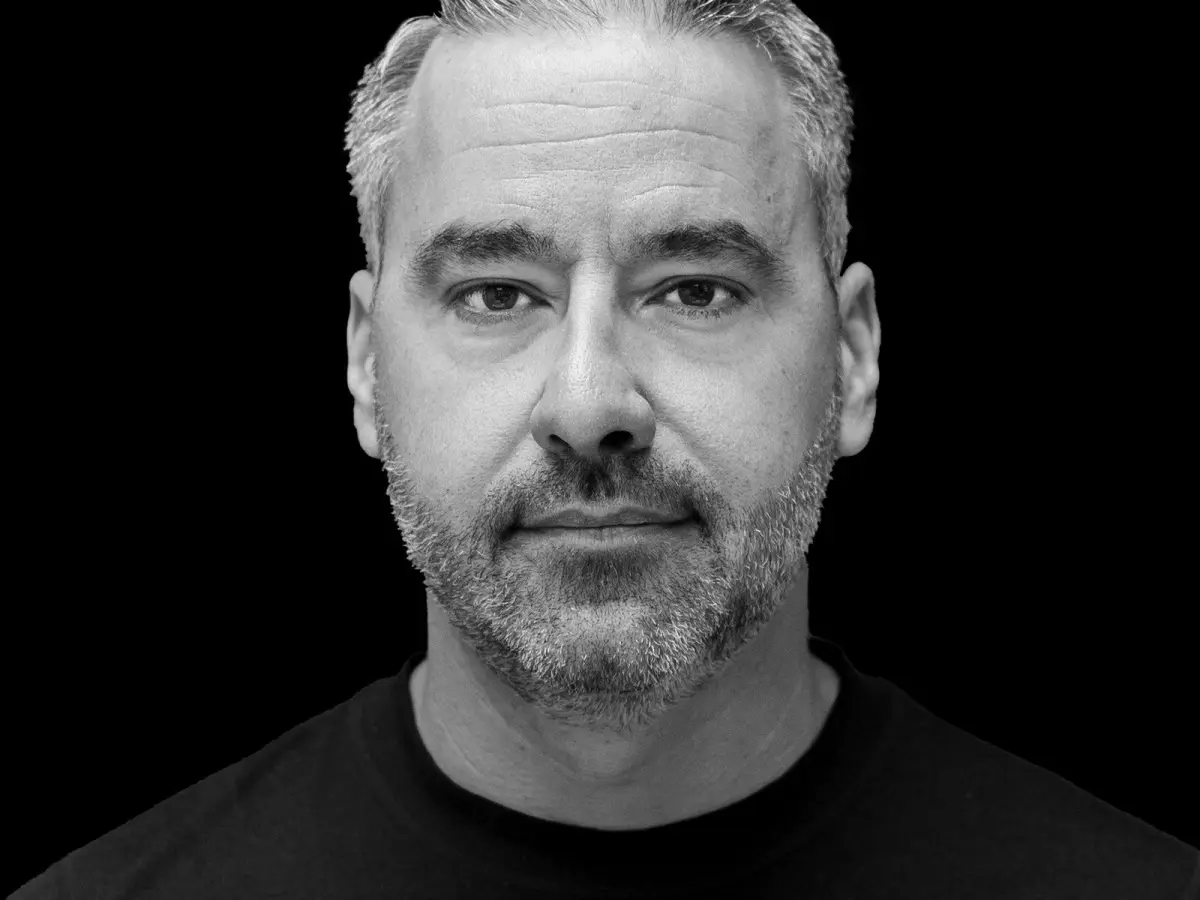 Brett TannerHost, founder of Be Wealthy
 Katelyn MitchellCo-host, runs operations for Brett
Brett bought the house for $50,000, put about $17,000 into it, and sold it for $110,000. The buyer put $15,000 down, so Brett carried a $95,000 loan at 9.9%, about $900 a month. Because the down payment cut his own cash to $52,000, that payment works out close to 19% on his money.
Jump to 11:24Brett's second reason to carry the paper was price. Offering financing brings in the regular buyers plus people who can't or won't use a bank, like someone with a new job or credit that isn't perfect yet. Some of them will qualify for a 30-year fixed mortgage in two years and refinance the seller out.
Jump to 13:28The buyer made 54 payments of about $900, or $48,600, before stopping. Only about $5,000 of that was principal, so most of it was interest in Brett's pocket. Katelyn points out he was only into the property for around $3,000 by then, which is why a default didn't scare him.
Jump to 14:28One missed payment means a late notice, a call and a letter from the servicer. Brett says federal rules keep a servicer from starting foreclosure until the borrower is about 120 days behind, and the timeline changes by state. If the deal is built right, those empty months are annoying, and the money comes back when the loan catches up or the house comes back.
Jump to 17:33The biggest borrower mistake is the ostrich technique: going dark instead of calling the lender. The lender mistakes are angry texts, which might even break the law, and taking a partial payment, which can stall the foreclosure for another month. Brett's rule for his clients is to file foreclosure when someone doesn't pay and not listen to the story.
Jump to 21:39Brett can sell the non-performing note, though buyers want a 30 to 40% discount, so a $94,000 balance might bring $50,000 to $60,000. The borrower can sign a deed in lieu of foreclosure if they cooperate. He can foreclose and take the house back, or the borrower can reinstate by catching up the missed payments and fees, which is what happened here.
Jump to 31:43This buyer was an investor who put about 14% down, and every loan of Brett's that went bad had less than 20% down. Today he wants 30% down from an investor, 20% in a rising market, and the borrower in an LLC. He also found that people he knew defaulted more often than strangers, because it's easy to bend the rules for someone you know.
Jump to 42:07I don't listen to borrower stories because I can't go to Wells Fargo and deposit stories. Sadly, I have to walk in there with dollars.Brett Tanner · at 22:41
The seller-financed house Brett walks through on the episode, from purchase to the missed payments.
| Item | Amount | What it means |
|---|---|---|
| Purchase plus fix-up | $50,000 + $17,000 | Brett's cost before the sale |
| Sale price | $110,000 | Higher than a bank buyer would pay |
| Down payment | $15,000 | About 14%, below the 20% Brett wants now |
| Loan carried | $95,000 at 9.9% | About $900 a month |
| Brett's cash in the deal | $52,000 | Close to 19% on his money |
| Paid before the default | 54 payments, $48,600 | Only about $5,000 of it was principal |
| Payoff while behind | About $94,000 | Balance plus fees and missed payments |
Tap any chapter and the video starts right there.
“There's the kinds of sorry where you say I'm sorry and I don't care. And then there's the kind of sorry where you write a check that equals the problem that you created.”
Brett Tanner at 24:44Brett's playbook lays out the four exits from this episode, payoff vs reinstatement, and the checklist he runs before he carries the paper.
The servicer sends a late notice, calls and sends letters. Brett says federal rules keep a servicer from starting foreclosure until the borrower is about 120 days behind, and the timeline depends on the state. From there the lender can sell the note, take a deed in lieu, foreclose, or let the borrower reinstate.
A payoff is the whole balance plus interest, late fees and foreclosure costs. On Brett's loan that was about $94,000. A reinstatement only catches up the missed payments and fees, and the loan goes back to normal. Two months behind on a $900 payment usually runs $3,000 to $4,000.
Brett doesn't. Note buyers know they may have to foreclose, so they usually want a 30 to 40% discount. On a $94,000 balance that could mean only $50,000 to $60,000. He would rather foreclose, take a deed in lieu or let the borrower catch up.
Brett calls down payment borrower quality. Every loan of his that went bad had less than 20% down. For an investor buyer he wants 20% in a rising market and 30% in a market like today, and he lends only to the buyer's LLC.
Brett says no. Taking a partial payment can force you to wait another month and stall the foreclosure. When his borrower offered to pay part with a promise to pay the rest, he said no, and the borrower ended up catching up everything.
0:00What happens when a seller financed note goes bad? What happens when you've got to foreclose on somebody? So now they miss a payment, right? And this is where people start freaking out. Down payment is borrower quality, period, end of story. Your friends will default at a higher rate than strangers. If the loan goes dark, loan goes bad. When someone doesn't pay you file foreclosure, you don't listen to a story, you never do, ever. Welcome back to the Be Wealthy Podcast. I'm Brett Tanner. Joined by the one and only Katelyn Mitchell to talk to you today about Katelyn, what happens when a seller financed note goes bad? What happens when you've got to foreclose on somebody? I mean, it sounds scary. Do you bring in storm troopers who just rip people out of their house by their hair and then you take it, Katelyn? No, Katelyn, no, that's not what you do. We're not taking storm troopers and tearing people off an air, like we went out of an airplane. so we are here today talking about notes. As you know, I am a huge fan. And when we open any of our live events or our masterminds, I remind people of two things. Number one,
1:05you are a bank. In every sense of the word, you have deposits, you have withdrawals, and that concept, you are running a bank. You can run an awesome one and become ridiculously wealthy or you can run a really crappy one and not be broke. And it's really your choice. But banks are the best run businesses out there because if you think about it, the person next door to you at the teller line is like depositing their money and they're getting like in a dream scenario, two and a half percent on their savings, 3%, as we're filming this here today, maybe zero. And then the person like right next to you is literally borrowing money at eight or 9% to buy their car. And so that's spread, right? The difference between what they're paying you and what they're getting from someone else is just spread or arbitrage. And it's one of the most powerful forces in creating wealth is spreads. There's an incredible book. We've talked about it, which is The Banker's Code. We filmed an episode, we'll link in the show notes with George Antone, who is a genius. And he just talks a lot about becoming a bank and had a huge impact on my life. So in doing that, Katelyn, I
2:05have, I am the bank in many areas of my life so much, Katelyn. And I don't want to brag and I don't want you to like look up to me like, you know, it's just so incredible. But I have my bankers license. I'm gonna say it. Katelyn, I'm a banker. I mean, am I banker Craig? No, but I have a banking license. I don't believe the banker Craig has a banking license. So I always do joke, as you know with our bankers when they come deal with us, I'm like, hey, is there any licensed bankers in the room? And they all say no, I go, oh, I'm sorry, there is one. I happen to be a licensed banker with the state of mind. I have a banking license. It's very exclusive. Anyway, Katelyn, that was neither here nor there. But so what I want to talk to people about like, if you carry money back, if you sell your home with seller financing, so I had a home, I sold it. And I took it back, created a note. So just like Katelyn, you pay your mortgage. I pay, I have a mortgage. Instead of you paying that to Chase Bank or Wells Fargo or whatever, you could pay that to Bank of Brett or one of my LLCs. So a note is nothing more than a promise to pay. So you see that as a promissory note. And then
3:09you've got some sort of security instrument. That's a deed of trust or you don't have mortgage. Those are all terms we're familiar with. So there's two things of ownership, right? You've got the home itself and then you've got the mortgage underneath it. So some people want to own the sticks and bricks and that appreciates in value, right? When you own the note, you typically have a fixed rate of return. Mind you, you're on a 30 year fixed mortgage or something like that. And so Katelyn, you know this deal because we put this together. We bought this property. I don't know, I can't remember the timeline. Oh, I got it right here, six years ago. Bought this house six years ago and Katelyn and it ultimately we sold the note and it went into foreclosure. And so I want to talk through today with the audience, what happens? Like what's that process like? How do you create a note? What happens? What's foreclosure like? Again, do we get the storm troopers ripping people out of their house? What's it really like? And so I want to go through that today. And Katelyn, most landlords and people listening is people are really comfortable
4:09with the ownership side, right? They buy a rental. And their biggest concern, right, is what if my tenant doesn't pay? And that's just called an eviction, right? Katelyn, you run massive apartment buildings. You run our massive apartment buildings. And so when our tenants don't pay. I just dealt with it this week, yeah. Yeah, like we've got to evict people. Yeah, it's like, hey, you didn't pay, we send you a notice, there's a hearing, there's a thing and you're gone. So again, it's a little different. So that's a pretty short process. Like in Arizona, if someone doesn't pay, we can get them out in about 30 days, roughly, right? That's kind of the timeline in Arizona. In all states and jurisdiction matters. As a bank, it takes a little longer, right? So this case, I was the bank. And so just like you mentioned, there's a process for eviction. I would argue there's a more specific and strict process for foreclosure, right? It's a more serious thing. You're actually going to be taking someone's home. So we got to the end of this. And for about six weeks prior, I was ready to take the home back. I had done what's called a credit bid, which
5:09I'll explain here in a minute. And what my plan was to take the home back, I'm gonna fix it up and sell it. And I probably wasn't gonna sell or finance it a second time. In this particular case, right? The borrower actually got current, Katelyn, about six weeks before. They ended up making it current. So we're all ready to do foreclose. They make it current. And now it's a performing loan again. But so this isn't a highlight reel of like, oh my gosh, it's perfect all the time and people just pay and it's easy. I'm gonna kind of walk you through the good, the bad, the indifferent. And actually, Katelyn, you know this loan really well. Like this was when we did six years ago and we wouldn't do this loan today. Like we would not have done it and we'll walk through why. So the year, Katelyn, I want you to close your eyes. I want you to cast yourself back to 2020, the year of COVID. Whatever your experience was, we're just, you're, yeah, okay, yeah, great. You're in a mask. The government is putting fake pressure and telling you that somehow being six feet from this other person is going to stop you
6:09from, if you sneeze somehow, that won't get them. And if you're in a room somehow, it doesn't matter the size of the room, but if you are in there with the other person, you're going to get it. Like it's just, it's a fact. But also like a little cloth, like my glasses clop over my face. I'm all of a sudden, I am safe and this whole fear, fear, none of that will penetrate this mask. Nothing, I'm just safe and safe. Yeah, if you have a little of a light cloth or even a hole in it. This is my glasses cleaning app. Yeah, it's your, well, it's your glasses cleaning app. And some people are still living that today. You don't have to cast your eyes back. Some people are still thinking it's going to get a mouth. But so 2020, Katelyn, you went back there. To each, to each their own on your personal choices, we understand. We're just saying it's 2020. You're buying unbelievable amounts of toilet paper. You're making sourdough bread. You're doing all of those things. You're huge into jigsaw puzzles out of nowhere. It's 2020. And now you're zoning with people 24 hours a day. We're there, okay. So I bought this house for $50,000 and we put about 17,000 bucks
7:12into it fixing it up. We sold it for 110,000 and the borrower put down $15,000, okay? Which that down payment's about 14%. First thing, two things to note. This was an investor who was buying the property. So the first thing I would never do again, loan to an investor, why? When people will always, the thing that they will always pay until they can't is the roof over their head. The investment property that's now going bad is taking money away from them and causing them pain on the roof over their head is the thing that they will not pay on, which is the case here. Second thing is when I studied all- You also would lend on 14% down today. You know, we've got- That's where I was going. Lend box. All of my loans. All of my loans that went bad. Spoiler alert had a sub 20% down payment. Weird. What does that mean? Less skin in the game, greater borrower default. So I would never do that. So if you sell it at 110,000, Katelyn, and they put $15,000 down, how much is the loan amount, Katelyn?
8:16It's not a trick question. $110,000, we sold it at 110,000. They put $15,000 down. Katelyn, what's our loan amount? Take your time. $95,000. Nailed it. Nailed it. The questions will get easier. Nailed it. If you didn't see it in the previous episode, I am a math elite. In 1994, I was competitive. I am in retirement today, but there are a lot of days where I'm - I am usually really good at math. That was super embarrassing. I don't know what happened there. I froze up. I think you thought it was rhetorical. So we got a $95,000 loan amount. We got a $95,000 loan amount. And at 9.9% interest, which is what I charged the borrower, it's about 900 bucks a month. I put it in the 10BII calculator. So this might be called, Katelyn, terms our listeners or viewers are comfortable with. It might be called a seller carryback or owner financing, but basically it means you sold the home. You're using the house as collateral. If they don't pay, the house is your collateral. A note is nothing more than a promise to pay with the house behind it. So I sold the house, kept the
9:21promise. I gotta lean on it. If you need help in your business right now, you've got to challenge or an opportunity that you really want to hone in and capitalize on it and make a game-changing breakthrough in your business. Come out to our one-day workshop. This is something we've never done before. We're now doing them at the resorts we've bought, so they could be at Apple Mountain, Georgia. They could be in Northern Arizona. They might even be in Belize in the future, but you get to come to a one-day where they're, I'm not going to present slides. It's literally you and your business and you're going to leave with an action plan you can implement in your business. Go to bewealthypodcast.com and you can click on our upcoming events and see where we'll be and book to come. The room is limited. We have no more than 15 people in the room. Go to bewealthypodcast.com and you can book our one-day workshop coming up. The two reasons, Katelyn, why would I carry the paper rather than selling it? So I could have sold it and just took the money. Two reasons I'm gonna sell it. Number one, yield. I love selling anything. And you know this, if I sell a business, a car, anything I sell that's of value to where it
10:24would be normal to finance it, I wanna finance it. I love being the bank. I love having monthly streams of money coming into me. I'm obsessed about it. And I think everybody else should be obsessed about it. Now, here's what's interesting. Katelyn, I'm only charging the borrower 9.9% interest. Right? However, I am into this house for $67,000 and the borrower put $15,000 down. Katelyn, how much am I into it? What's my out-of-pocket? 67 minus the 15,000. 67 minus the 15, we're at 52,000 guys. That's right, boom, mathlete coming back. So I'm into it for 52,000. So Katelyn, if the borrower's paying 9.9 on the 95, but I'm only into it 52, am I earning more money or less money than the 9.9% on my money? You're earning significantly
11:24more. So your basis... Why is that? Well, how come? How come? Why am I earning more money? Your basis is 52,000, right? So now we're gonna say what is the 9 .9% interest that's being paid on the 95? And we're gonna apply that dollar amount against the 52K and your yield or your rate of return will be significantly higher because the dollars from the 9.9% on the 95 applied to the 52, which is your basis, will likely be, my guess is, we were somewhere around a 14 to 15% rate of return there. Is that right? Or is it... So think about it, because it's half the amount, it's almost double, right? So I actually calculated the math and edited this. It's actually close to 19%. Okay. Now mine is 19% fixed. They're down payment low as my cash, right? So I was just saying, their down payment, their down payment lowered your cash and their purchase price was significantly higher. So their mortgage is much more
12:26than what you're all in. I call it like cash outlay, right? That really helps a lot of times than your cash outlay. The technical term is your basis. So at 19%, that's fixed for 30 years. That's the worst case scenario. If they pay it off early, I make more money which we can get that in a minute. So number one, why would I wanna sell in key payments? Where can I go get a 19% return that's relatively guaranteed? Cause think about risk for a moment. Katelyn, if they don't pay, do I care? I'm going to four cards. Well you already worked for 67. Now you're only gonna be into it for 52. It almost gets better. So what did I just turn around and do it again? And if they pay me for three or four months, I'm actually gonna make more money the second time. So number one, I can't go get a 19% yield on an asset that I know better than anybody. So it's a way for you to create crazy returns. And we teach this in our mastermind, but I just wanna break it down here for the audience. Number two, Katelyn was price. Second reason I took seller financing, I was able to get a higher price by offering seller financing than I could to
13:28a traditional buyer. Why? Because when I'm able to get all the traditional buyers, but I'm also getting the people that couldn't qualify for bank financing. So one of the biggest myths out there are people believe that like, oh, the people that can't qualify for or don't wanna use. First of all, can't qualify. A lot of people don't wanna use banks. They just don't like them for whatever reason. So there are lots of great people with large down payments that don't wanna use the traditional banking system for whatever reason, or maybe they've got a new job or maybe their credit's not perfect, but in two years, they're gonna be able to get a 30-year fixed mortgage and go refinance you out. So I wanted a higher yield and I wanted a better price. So rather than I could have got a boring rate, return somewhere else, I got a 19% rate of return on an asset that I knew. And again, it pays me nearly $900 every single month. So here's the next point I wanna make, Katelyn. This borrower, before they quit paying, paid 54 payments in a row. So let's think about what happened to it. So you told me I was at
14:28$52,000 was my all-in. Now I collect about $900 that was their principal and interest payment known as PI. So 54 payments, Katelyn, gives me $48,600. I collected from the borrower before they defaulted. So I want everyone to listen to this. People say- You were into this for 52, then you, and we were making, call it 19% on that money. Then I collected 54 payments. 54 payments of $900, which was around, what was your amount? $48,600, to be exact. So 52,000 minus your 48 and change, you're now- This is called 49. You're only into this property for around $3,000 now. So your risk is zero. I mean- Pretty much, right? I mean, unless the house somehow becomes worth nothing, which I've, again, I've only studied real estate on this planet for my lifetime. I've never seen a house go to zero.
15:31So now, Katelyn, I'm at a pretty good spot, right? Now here's the point I want people to get. I went and used it as I'm a nerd and I've got this 10BII calculator, which I feel like just gives me superpowers. What I looked at is, Katelyn, so they gave me those 48 payments. How much do you think of the 48,000 I collected was principal that took the borrower, remember the borrower's loan amount started at 95,000. After these 54 payments, the 48,000 collected, how much do you guess was principal? Well, that's because the amortization schedule, right? Where the majority of it at the front of your loan, at the front of a fixed mortgage, the majority of it's all allocated to interest, whereas toward the end, it's all allocated to principal. Another way the banks win, the amortization schedule skews so that if you paid off prior to the end of the mortgage, well, bad news, not as much of that applied to principal as you might have thought. So my guess would be, Brett, I would bet 35 to
16:3338,000 of that was all interest. I'm gonna tell you, it's worse than that. So it was only about 5,000 and it was principal. So in other words, the borrower, I collected 48, almost 49,000. 44 of it was interest, about 443 that went in my pocket. Pretty cool, right? Now I get the principal too, I want both, but the interest is I still get the principal on the remaining 90 that's left. So for four and a half years, this is the easiest money on earth, right? And every payment the borrower makes, it reduces my risk, right? Because the goal in all of these games is how quick can I get all my capital back and then have a note out there that just pays you for another 30 years or whatever. So now here's where it gets a little weird. So now they miss a payment, right? And this is where people start freaking out. So Katelyn, one miss payment, you cannot send the stormtroopers in to rip people out of their house when they
17:33miss a payment. It doesn't work like that. So the miss a payment, you're going to have a servicer most likely, right? It's a late notice. It's a phone call, it's a letter, right? Federal law even says that a servicer can't even start a foreclosure until you're about 120 days behind. So they got to miss four payments. That kind of sucks, right? Now that's different state by state, right? And I'm talking about specifically in Alabama. So and that can take a little longer depending on the jurisdiction of the state. But you've got basically a four month window where you're not going to have payments. So Katelyn, that kind of sucks, right? You're going along. If you're not prepared, this can suck. But the way I look at it is they quit paying. I'm like, I don't care. I'll foreclose and take it back. I've already got my 50 grand almost all the way back. I'll just do it again or sell it for the 110. And actually it's gone up in value since I know that this is crazy. Katelyn, real estate value since 2020 to 2026 have done what, up, down, neutral, up, right? Straight up.
18:35So I got nothing to lose here. If I take this back, I stand to make a lot more money. So when we first started this, I want to take a step back. When you and I first started looking at this and investing in promissory notes, you'd been working on the, working in the hard money lending side, which was short -term loans specifically for investors for a long time. Now we made this transition to, let's start investing in promissory notes and being the bank. We looked at doing it a few different ways. We took some of your rental portfolio, similar to this, flipped it and turned it in to and sold it, seller financed. And we bought some existing notes. And you use this term a lot. What is our risk-adjusted rate of return when we look at these? And so we said, what are our risks? And that's a conversation you and I always have. How does this go wrong? And then how do we ensure against it? So I wanted to take a break to step back for a second and say, okay, this is one of the ways it could go wrong. How could it, what would it all look like? The number one way, they stop paying. What do we do? Well, you just spent the last 10 minutes
19:35helping to educate us to see, you know what, I'm only my basis. I'm into this for 52,000 worst case scenario. I can go through the process and we're gonna see what happens next, right? So this is one of the things that can go wrong. The rest is pretty insurable, right? You gotta make sure, no pun intended, that they have insurance on the property, that you're a second, an additional insured. But really, Brett, this is the only real way that it goes wrong. Other than that, the things that go wrong are like, oh my gosh, I only had the note for one year and then they paid it off. Oh, okay. Which means you made a lot more than the 19%, right? Because you got all your money back sooner. So the key here, right, to your point, I love you made that point, which is down payment adjusts your risk-adjusted rate of return. They didn't put a big enough down payment, but they paid long enough before we had an issue. That my risk was zero. So every payment lowers your risk down payment. Now again, this loan, if I was doing it again,
20:38if it was an investor, I would have gone 30% down. And had I had 30% down, he would have never missed a payment because he's like, dude, I'm not gonna lose that money. But because 14% of 15 grand, while a lot of money is not enough if someone perceives that they don't have it, right? They'll just be afraid of it. But I just, let me just, two seconds. Let me just, so number one, they stopped paying. We have to foreclose, which you're about to tell us about. Number two of ways it goes wrong, the thing explodes, it burns alive, we've got to have the right insurance. But guys, those are the only two because the next worst return off investment you're gonna get is if they pay on time every single payment for the next 30 years. That's the next risk load. That's not a huge risk load. It's gonna be 19% paid out over 30 years. It's awesome. So my point is, these are the two things that could go wrong and you're gonna see it's not as scary as you think. If you do it right, Katelyn, I love what you said. I'll actually say it differently. If you do it right, the worst thing that happens is
21:39they pay a degree. That would be the worst return you would get would just be the 19% for 30 years. If they don't pay, like in every deal I've ever foreclosed on, I have made multiple, I mean, incredible amounts of money because I've engineered it correctly on the front end. Right, it's all done on the front end. It's been said that the breakthrough in your life is gonna come from a person, an idea, maybe a strategy. And I believe that every person has one breakthrough from just changing their entire life. I want you to come spend one day with me, in my office with no more than 15 business owners, bring your biggest challenge, your biggest opportunity and let's solve that so you get what you want and you don't end up with a career that doesn't land where you want at the end, go to bewealthypodcast.com. All right, two mistakes people make. I'm gonna give you one from the borrower side and one from the investor, the bank side. Biggest mistake borrowers make, Katelyn, they do the old ostrich technique. They put their head in the sand and go silence. It's the worst thing you could do. If you're a borrower and you can't pay, you should reach out to your lender.
22:41Not saying they're gonna do anything, but going dark gives you no hope because the lender's only option is, all right, boom, foreclosed. Like if you called me and you had a really good reason and you need like a 15 day grace period and you had documentation, you could show me a story. Me, IE the servicer, we might grant that, possibly. Overwhelmingly right, I don't listen to borrower stories because I can't go to Wells Fargo and deposit stories. Sadly, I have to walk in there with dollars. So biggest mistake borrowers make, do not be silent. Even if you can't pay, be in the game and be communicative. Lenders biggest mistake, Katelyn, they get emotional. They send the angry text, oh, you piece of garbage, you're not paying me. All of which is bad. It might even violate laws. It's not, it's sure not gonna help. Another mistake lenders make, they take a partial payment. Oh, I can't pay the 900, Brett. I can pay 500. Well, when you take a partial payment, you have to, now you can't, you have to wait again and wait another month, right? And now you stall the foreclosure. The way that lenders, when I talk to my clients
23:42is when someone doesn't pay you file foreclosure, you don't listen to a story, you never do, ever. Because you can't play judge, jury, and execution on everyone's personal life. The end of the day, Katelyn, if you call your mortgage company and you're like, listen, I had a crazy week. I went to Coachella, I lost my phone, blah, blah, blah, whatever, they don't care, right? They're like, that's the great story. I hope Coachella was awesome. And you still need to send us your payment, right? Like there's just, we agreed to do this. And when I tell every borrower before we close, do you intend to pay this? Because if you don't pay me, bad things are gonna happen. And if you tell me you're not gonna pay, I just won't loan you the money, right? Like this is a contract that like, and maybe you need to have a savings or whatever, right? But so it needs to be a checklist that we follow. So Katelyn, here's the thing, I don't fear empty months. Like most people worry like, what do I do for those four months? Right, again, if you're doing it right, it's not a concern because you know you're gonna make way more, it's either gonna get
24:44caught up or you'll make more than you would have in the payments anyway, okay? You've gotta have that margin of safety. We talk, I have the right collateral and the right deal structure. So I've got a margin of safety where I can't lose, right? It's very, very, like this particular deal is impossible to lose on. So all it is, Katelyn, it's annoying, right? It's annoying that they don't pay, which is, you can use frustrating, but it's not scary, right? We've gotta separate fear from just, it's annoying, right? And I do not mind getting paid lots of money to be annoyed. I'm very cool with it, Katelyn. I'm like the coolest guy. You annoy the hell out of me and you wanna give me a truckload of money? Cool, then it makes it all fine. I always say, Katelyn, there's two kinds of sorry. There's the kinds of sorry where you say I'm sorry and I don't care. And then there's the kind of sorry where you write a check that equals the problem that you created. Oh my gosh, apology accepted. Perfect, no problem. And that's in, it relates to banking. Katelyn, those are the kinds of sorry that I'm interested in, the ones
25:45with checks attached. So here's the servicer. So most of us that do this, I would highly recommend you have a servicer, a third party that's going to collect the payments. They're gonna handle the impounds for the tax and insurance. I don't service myself because you're too close to the fire. You've got the relationship with the borrower now. They're calling you. All of those things, you want to get a servicer that collects the money, holds the escrow and handles everything. Think of the servicer as the machine that makes the note go. I will tell you, when you don't have a servicer, it's really easy for you to get busy and maybe you missed the payment. You didn't know it didn't come in, right? So Katelyn, we want someone who else kind of manage this on our side. The servicer, when it's time to foreclose, will also connect you with the, typically their in-house foreclosure attorney that's gonna run the sale. They're gonna make it compliant and they will run it all the way to the courthouse steps without you and you need very little involvement other than just maybe answering questions, providing a payoff, and we'll talk about that. So Katelyn, what I want people to get here,
26:46being a bank, you're not a bill collector. You're not sitting there, oh, I gotta collect Tom's payment this month. No, no, no, you have a servicer. You're just guiding the decisions as they go. Anything you want to elaborate on next, I know you've got, we've got a ton of experience doing and I rolled through that a little quick. Anything else you want to share there? No, it's the principle of everything that we look at, right? You have to have models that allow you to make non-emotional decisions. You had a model and you've enhanced your model since on the front end, on the acquisition and the disposition, meaning how we created the note, what that structure looks like, we've enhanced it since, not gonna, you're not going to lend on this type of a promissory note to an investor. You're going to require 20% down. Now we have non-emotional decisions on that end. On the other side, when it doesn't go the right way, rather than it being emotional terrorism, we just have the infrastructure, the model upon
27:46which we follow and the servicer is a great partner for you. Perfect. So, Katelyn, when they get behind the borrower, let's say they're two to four months behind it has not yet foreclosed, there's two options for the borrower. There's two options. Number one, they could request a payoff and they might have found another lender that they're gonna just pay off the whole thing. So they could request, they could reach out to the servicer and say, hey, I wanna pay off this loan. How much is owed? Now, it's not going to be, at this point on this deal, like you'd say, well, they owed you $90,000. Well, no, you owed me $90,000 two months ago, but you didn't pay. And so there's like foreclosure fees and legal fees and late fees and all of these other costs. So you might owe $94,000 when you call for payoff and borrowers always get frustrated. Well, how come these fees are so expensive? Well, this is called the tax of you not paying your bills. And there's a tax, right? Every decision you make in life has a cost attached to it, right? And they're good or bad. So if
28:46you do the wrong thing in life, you're going to pay a tax. And so the tax of not paying Katelyn, it's expensive. It's really expensive. And now it's capped, right? And these fees are very, very low and hard money, it's astronomical. Most hard money loans Katelyn, when they don't pay, it goes from the standing interest rate to default interest, which is typically about 29%, like credit card rates. And people go, oh my gosh, it's so much money. But what we're talking about, their rate does not blow up. We're talking, the consumer loans, the late fees they charge. Oh, it's very minimum. That's nice. The $4,000 is probably like the, that would be like a foreclosure filing, some collections, plus mind you, two months of payments. Let's not forget that in the example I gave. So that's their option. They could call for a payoff, they could pay off the loan. The other option is they could say, hey, I'm two months behind. How much is it to reinstate? I want to catch up on both payments that were behind in all the fees. In the example, if they're two months behind and the payments about $900 a month, it's probably gonna be $3,000 to
29:47$4,000 to catch that loan up. Now, most servicers, Katelyn, they're only gonna accept certified funds in most cases. You know why? Because they're like, hey, don't take this the wrong way, but I'm not gonna take your check. You weren't paying us. So forgive us if there's a lack of trust here. We kind of want to know that. That's just a model. It's the same as if someone wants to move into one of our apartments, they got to do certified funds to move in first day. It's the same as a simple model. The funds are the same. So you got two options, a payoff or a reinstatement. And so, Katelyn, everything we're walking through here, right, on being the bank and the second thing that I meant to start with, the beginning was the two principles for all our listeners here today. You're a bank. The second thing is you're running a family office and you can run an incredible family office. It's around your financials and your trust and your business financials and all the things that we teach at the wealthy that we call the family office. And it's what we talk about in our mastermind. So if you're listening to this, you're like, I want to be in the bank. I think there's a better way. I'm
30:47out of your grinding. I'm a real estate agent. I'm in the mortgage business or I'm an entrepreneur and I'm doing well, but I know there's something more, but I want to be the bank. How do I get into it? This is literally the conversation that 200 people have in our mastermind. It is. So reach out the link below. You'll jump on a call with myself or with Katelyn or a member of our team. And it is completely risk-free for you to come join the mastermind. The reason we have the call is we have to make sure a fit. Because it is risk-free, we may not be right for you and you may not be right for us. Click the link below and we will see if you're a fit and tell you about our upcoming mastermind. So Katelyn. The risk-adjusted rate of return on that would be infinite. It would be infinite. There is no risk. So we can't make it any more or less right. You can literally walk up to me at the end of the event and go, Brett, I don't like your black shirt and I will promise you'll be wearing a black shirt and we will refund your money. Again, we do have to make sure that you're a fit. So Katelyn. If the loan goes dark, loan goes bad. There's four doors we can walk through. There's
31:47four doors, we have four options. Most people think it's like four clothes in that set. So we gotta decide what to do. First thing, we can go sell the note. People don't realize that I have an asset. Again, people will, Brett, how do you sell a note? It's not paying. Well, that's called a non-performing note. And there's a marketplace that you could sell that on the third-party market. Now, typically- Some people specialize in it. It's what they're looking for is a non-performing note because they want that opportunity to take that asset back. Now, typically, Katelyn, you're gonna take a pretty big haircut on that. So meaning, they owe, the borrower owes me as we covered $90,000 plus about four grand. So let's call it 94,000. If I go to sell that note, most strategic or intentional and highly intelligent note buyers are gonna wanna discount that 30 or 40%. So they might only give me 50, 60 grand for the note because they know like, well, dude, they're not paying. I got a foreclose. They could rip the house apart. I got risks here.
32:50So I don't sell a non-performing note. Well, let's also remember this though. But it's a calculation. You could look at this person paid for four years. Here's my actual, I'm only now into it for $4,000. I don't wanna deal with any of this. I just wanna sell it. And that may make sense to you. It is just a mathematical equation. You will take a haircut, just a huge one. It's more like an amputated arm. You're going to take a big cut to sell a non -performing note, but it is an option. And if it's done, if you want to do it, you could look at your financials and say, does this make sense for me to have no noise and sell it? Or should I start looking at door two, three and four? Not a terrible option, right? You have a way out. Second option, let's say the borrower is reaching out to the servicer. They're reaching out, communicating. This is why the borrower should communicate. They could maybe give a deed in lieu of foreclosure. So instead of this going all the way to foreclosure and it's just bad and negative and then maybe they get chased for a
33:50judgment, depending on how it works out, they could just sign it, hey, I'm going to deed it back to you in lieu of you coming after me for foreclosure. So that's an option, right? That's going to involve... Sorry, go ahead. The borrower's got to play along for that, right? So what this deed in lieu requires the borrower being a cooperative participant in the game of default. And we've had this happen. You and I actually were in Alabama looking at properties we just had a deed in lieu of foreclosure. She left the keys on the front desk and said, I'm out of here, it's yours. We went, we looked at the property and then determined that we would sell it from there. But we literally, you and I had them with these and we drove all the way out there to see it. I've done it, I'm open to it, it all depends. It's just, there's a lot to the deed in lieu. We won't get to cover it here. But like the bottom line is if the borrower's cooperative and communicated with the servicer and they reach out and say, hey, I would like to do a deed in lieu,
34:52there are options for them. Door three, door three, foreclose, okay? Boom, take it back, we covered that. You're gonna take it back, fix it up and likely sell it. Maybe it's a rental property, it all depends because again, the goal here is you're in a really great position now. You've got a lot of your capital back. You may want to keep the asset and just fix it up and rent it out. So you never know. That's another option. The last option is they could reinstate, right? So they may come back, reinstate in this particular case that we're talking about. They reach out to servicers and say, hey, we get it. You're gonna foreclose in six weeks and we don't want to. There's a ton of equity. The house is worth close to $200,000. We only owe 94. We're gonna bring the four or five grand in and we're gonna get this caught up and we want to keep this property. Cool, great. I actually am open to whatever option they want to pick. All of those options minus selling at the discount the first one could work for me but all are potential options that I would consider depending on the deal. Most of us make massive investments in our
35:54business, and some of those investments don't pay off. So you can come spend a day with me for $997. You come out to one of our resorts, you're gonna spend a day, bring your challenge, bring your opportunities, and let's work through it in a one-on-one coaching session. You're gonna be in a room of your peers, no more than 15 people are gonna be there, and I'm gonna coach you personally to tackle your challenge and your opportunity. Go to bewealthypodcast.com to see the next dates for our event. All right, Katelyn, let's go to the courthouse steps. How does this work? So this process is kind of crazy. Homes are actually sold to bidders on the courthouse steps, it's wild. You don't have to go. You could go watch if you wanted to. I just have the foreclosure attorneys deal with all this. But so Alabama's a non-judicial foreclosure state which really just means it's a quicker process than if it was a judicial foreclosure process. Those in banking, if you're interested in pursuing this, you should reach out to a great attorney or a title company that does foreclosures in your area and you should ask
36:55them two things. If I do a note number one of the borrower doesn't pay, how long does it take me to foreclose? What's the timeline? You want to know how long could you be stuck not getting payments. And the second thing, how much does it cost? Katelyn, this is gonna, when you know these two numbers this may affect the down payment and some of the rates you charge the borrower depending on the length of time it could take you to foreclose. So this is a pretty straightforward process. The law makes them, you got to publish the notice in the newspaper for a week and three straight weeks and you got to notify the borrower and there's all these things you've got to do and it says newspaper. We're still publishing things in the newspaper today which is fascinating. In my single hand a lady keeping the newspaper business. I don't know how soon they're gonna change it. Some jurisdictions may have changed that but it's crazy. So now the foreclosure attorney, Katelyn, they're gonna reach out to you at some point and say, hey, Katelyn, you got this note it's going to foreclosure, what do you wanna bid? So in other words, you're going to play
37:55so it's called a credit bid. My answer to, because I'm a principle centered person so my answer is I will always bid what I'm owed. I know it sounds crazy. I want the mortgage amount that was owed plus all fees up to the point that you quit paying me. I'm a big believer that we signed a contract I did what I was going to do and you're going to do what you said to do. And if you don't do that, I'm going to take all your stuff which is what I said I would do. And those are the rules of engagement. But depending on the situation you may bid less than what's owed. An example might be, Katelyn, let's say we are in a judicial foreclosure environment that took much longer to foreclose. So the fees built up and were $40,000 in late fees and penalties. I might cut some of that out my credit bid so that it would sell to someone else at auction because I'm going to enter my credit bid and if someone else pays more than that, it's theirs. Okay, it's theirs. I bid credit bid in all of the cases I bid a credit bid, I'm taking it back. So I've ended up getting the
38:58property back. I'm not tied to that. I don't care. Some people are like, well, I really want to take it back. Well, you don't get to control that. You get to control your credit bid and then whatever happens happens. So there is a catch in Alabama. So some states and it's the weirdest one. So it's funny that we're talking about it. Alabama has a one year catch. They have a statutory right of redemption for foreclosures. It's a terrible law. It shouldn't exist. It's very stupid and it's been there forever. And so basically, Katelyn, if you foreclose on that borrower and that borrower in the next year comes back and has all the money now plus all the repairs you put into it, they could get the house back. I don't know exactly like- Statutory right of redemption. They have a statutory right of redemption. Now, if you ask a title company, like how am I of greater odds of winning the Powerball or this home getting redeemed on foreclosure, I think they're the same. That's a funny joke. Katelyn know the odds of redemption are better, but it almost never happens, right? It almost never happens. So you've got to, that can happen.
40:01You got to be aware of it. There could be unique foreclosure laws. So you got to make sure that you think about it. So our notice ran, sale date set, our people get six days prior to it and they, you know, they tried all the things. Hey, would you accept the partial payment? Which I go, no, absolutely not. I'm because I'm going to give you two grand with the promise to pay. You already did not pay, right? The first thing I would like, dude, sorry, we don't have trust in you. You did not pay. And you didn't communicate and you didn't do all the things, right? So it's like, I'm not about it. So we just said, no, we're taking it. And so they came back and paid everything, caught it all up, they're paying again. And I got to tell you when that, you know, you just get a big deposit from the servicer and you never know. I mean, they're communicating a little bit, but then it's like all of a sudden you get a deposit. I was like, whoa, I texted Sabrina, did they pay? I'm shocked. I was like, because we'd never heard a word, right? Just no communication, nothing. They end up paying, so now we're back in it. Cool. Then we'll roll again.
41:04And it doesn't matter to me what road they travel. Pay, don't pay. It's all irrelevant to me because I've got a deal structured perfectly now. And because of those 54 payments, I'm in a position where I'm playing with house money, which is where you want to be. The other thing I'll tell people, Katelyn, is you can charge a little bit of fees here. Now you're capped because of Dodd-Frank. So in addition to the loan, another place we make money is we charge the borrower some fees for the things that we actually do, like a dock fee. And I know like people always laugh about, oh, what is a dock fee? I'm like, well, the docks do not create themselves, right? They don't. I mean, we have a person in an apartment and a whole thing that has to occur. But I know we joke about it, like, oh, and it's all these 48-page loan doggos. Just manage itself to the service. Well, no, there's like people and stuff and things. Like borrowers think that just you don't have to do anything over here. So there are fees that you can charge to do the loan. Like, Katelyn, if I've got a business and I've got people doing work so I can do your loan, like most banks feel like, hey, Katelyn, I'm not gonna pay money to do your loan.
42:07So you're going to pay the fees to do your loan. Your other option is save a bunch of money and pay cash, which would you prefer, right? Those are the choices in life. So I learned a lot here, Katelyn. I wanna walk through the lessons learned. Number one, if it's an investor, I would get 20% down in a market that's ascending in a market like today, I would get 30% down. Right in 2021 or 22, the market's on fire. I can get away with a 20% down payment because as the market skyrockets, my risk goes down. And I can see that going on. Today, I don't feel the same way about the market. So I still do, I do a lot of loans today. We're actually doing more loans than ever. It's just we get bigger down payments because the risk is higher. Here's another lesson, Katelyn, you and I have never talked about. Your friends will default at a higher rate than strangers. When I say friends, people, you know, acquaintances. When I studied all the loans that I've ever done, this one didn't apply, this wasn't an acquaintance, but when I go back and look at my loans, people I knew in my world defaulted
43:09higher than strangers. And I've seen it my private clients and I've seen a lot. And you know why that is, Katelyn? Because we're willing to bend our rules for people we know. I'll take a little less down payment here. He's a good, he's a good dude. He's good. That's a good check, right? They'll be all right. No, Larry's not gonna hammer me. No, Larry will hammer you, right? So this is not a friendship deal. We're not shaking, like this is not, there's a place for friendship, go have a beer. This is business and it's like, dude, I need a big down payment and I don't want you to not pay. You know, another lesson learned here, right? The longer they pay to lower your risk, great point, down payment matters. Biggest thing you can learn from this whole episode, down payment is borrower quality, period, end of story. People say, oh, is that borrower better or worse? I'm like, what's your down payment? 30% great borrower. I love them. They're gonna be good credible. They got a 10% down payment. 30% go on to day's value. Not some weird investment they're selling. 30% on their purchase price. There we go. Okay. They're loaned to contract.
44:1330%, 10% down, I hate the borrower. They could be a great person. I'm sure I hate it. I hate everything about it. I don't want to do it, loan sucks. I know everything about the borrower, they have no down payment. And it's just because, again, you know, Katelyn, you bite someone a couple of times, they learn, you get smarter. So the rules, you don't break. You never break the down payment. Borrower, if they're an investor, must be in an entity in an LLC, never loan to an individual that is not, if they are living in the home, you cannot do that loan. This was an investor, so I lent to an entity. If you can get more collateral, that's great. Get additional collateral, that's great. Turn down loans with low down payment. If the borrower, also in owner-occupied loans, if you're doing it, they're going to live there. You need to go through the Dodd-Frank process, make sure they qualify for that. It's about, Katelyn, the way I explain it, you may have the whole traditional loan process, all the 100% of the things you need to do. The Dodd-Frank process is like 15%, one 5% of it. The point I'm making here, Katelyn, is when you
45:14lend money, you should have a loan box that the loan fits with them. And your loan box, while wider than the traditional bank, and easier than the banking system, still must have a criteria. It can't be like, hey, what do you need? I've got money, that doesn't work. And so, when we went out and built this, Katelyn, it was a way for us to get, our target number was 20% rates of return on our capital that we held over an extended period of time. And we've done this hundreds and hundreds of times. And I still have a portfolio, a massive portfolio of notes, and we still did a tremendous amount of hard money. You've just got to engineer it to where you don't lose. And so, I want to make a point here, Katelyn, when you and I go buy an Apple Mountain or an asset, we're trying to get an exponential rate of return, right? We want to go in there, fix things, and we want to keep enhancing the asset and making more and more money. Our goal is we want the risk adjusted rate of return, but we want high return. We're pushing returns, which has greater risk. When we're going to work, we want to get an opportunity at it. But it's got risk.
46:17And your goal as a lender is to never lose money. So the first thing is I would rather accept a lower yield with less risk than I would a higher yield with much more risk. So it's a total, so when you've got to decide which hat you have on as an investor. My entrepreneur hat, where we go to Apple Mountain, much more risk-taller. My banker hat, when that goes on, Melissa doesn't like it because I'm like, look, the whole goal is to reduce risk. I don't get the upside. Like when this guy doubles his money and sells it for 200 ,000, I don't get that. All I get is the $900 a month. I don't get more. So I've got to be safe. You have to be super safe. What were you saying, Katelyn? I like how you put, well, I was going to make a joke. I like how you talked about them in different hats because it's very, very true. When you're creating the opportunity and going out and creating the rate of return, we're going to be more entrepreneurial. When you're the bank, you have to be wildly conservative to be within your lend box. Your job is to never lose
47:18a dollar, right? Warren Buffett talks about that all the time. The first rule of business is to don't lose, you should not lose a dollar. I was imagining you and you were doing the hat thing. Is it like, have you ever gone and seen like an old movie or like one of those, you don't go to musicals like I do. But they have like the olden days where the little bankers had to wear those little green visor hats. Do you know what I'm talking about? No? You're looking like I'm crazy. Yeah, the little green, you got to put on your little time green banker hat. Your little green visor, you've got to put that on if you're going to be the banker and your job is to never lose a dollar and you do that in all the ways that breakfast is described today. So, Katelyn, what I want our listeners to think, I want to ask two questions. Number one is, you know, am I thinking about becoming a bank, right? Am I thinking like a bank? Or most of our people, that's no, right? They need to go to that journey and think. And then the second question, the follow up is, what would it take for you to own some paper?
48:19Start realizing there's two levels of ownership. You can own a hard asset, but you could own debt. They're really smart people. The great investors think about both. They invest in both. They just invest differently. So we encourage you to go out there, be the bank, and I hope this was very helpful in understanding how loans and notes work. That's Katelyn Mitchell. I'm Brett Tanner. This was another episode of the Be Wealthy Podcast. We will see you back here next week.
Three in-person events a year with operators and investors who are building the same way.