Brett Tanner talks with 1031 exchange specialist Michael Velasco about the three ways to defer taxes on real estate: the standard forward exchange, the reverse exchange, and the improvement exchange. Brett shares how he used one to roll 21 single-family rentals into a single building anchored by an AT&T cell tower.
 Brett TannerHost, founder of Be Wealthy
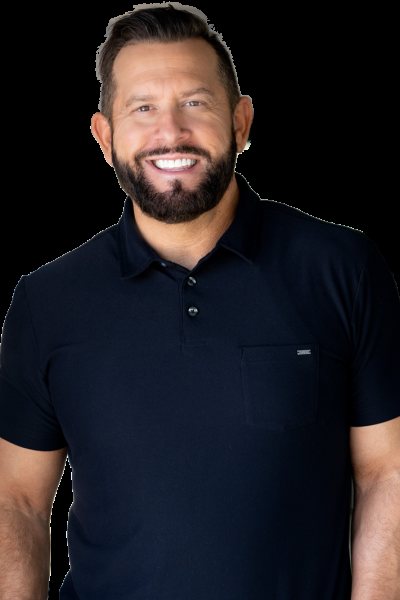 Michael VelascoFounder of Exchangeable, a 1031 exchange qualified intermediary company
In a forward exchange you sell your property first, and from that closing date you have 45 days to name up to three replacement properties and 180 days total to close on one. Michael says about 95% of forward exchanges make it to closing, and the rest usually end with the investor just paying the tax and moving on.
Jump to 35:35Brett's example: a house bought for $200,000 ten years ago that is now worth $600,000 has a $400,000 gain, taxed at roughly 20% in long-term capital gains, before depreciation recapture and possible state tax add more on top.
Jump to 34:40Michael says a CPA once told a client they could not 1031 exchange land for a house, which is flatly wrong. A house can move into an apartment, an apartment into oil royalties, oil royalties into a condo, as long as the property is held for investment.
Jump to 40:53Nothing in the tax code sets a minimum hold period, but Michael tells clients to wait a year and a day so the sale qualifies for long-term capital gains treatment and draws less scrutiny from the IRS. He says a 1031 exchange is meant for property you hold as a long-term investment.
Jump to 41:56In a reverse exchange, an exchange accommodator titleholder LLC buys the new property first while your old properties are still on the market, and you sign a property management agreement so you can collect rent right away. Michael says reverse exchanges mostly suit higher net worth clients who have the cash or credit to buy before they sell, so they do not lose a competitive deal waiting on their own closing.
Jump to 50:16Brett used an exchange to move 21 of his single-family rentals into a single commercial building where AT&T is the anchor tenant. He says it was easier because he sold all 21 houses to one buyer at once, which let him hit his identification window.
Jump to 49:12Michael's case study: sell a property for $300,000, then buy a $200,000 property that needs $100,000 of work instead. The leftover exchange funds pay a contractor within 180 days of the original sale, leaving a finished property Michael estimates could be worth $350,000 to $380,000.
Jump to 59:39Until you go get the expert in the space, you're operating on your beliefs and your truth.Brett Tanner · at 58:37
Michael Velasco walked through the timing and the type of investor each version of a 1031 exchange fits.
| Exchange type | Timing | Who it fits |
|---|---|---|
| Forward (standard) | Sell first, 45 days to identify, 180 days to close | Most investors moving one property into one other property |
| Reverse | Buy first using cash or a credit line, then sell the old property within 180 days | Higher net worth investors who can't risk losing a competitive deal |
| Improvement (construction) | Buy the replacement property, then spend leftover exchange funds on repairs within 180 days of the sale | Investors buying a discounted property that needs work |
Tap any chapter and the video starts right there.
“You make all your money in real estate when you buy.”
Brett Tanner at 1:03:52Work through the cap rate and 1031 math behind trading single-family rentals up into commercial property.
In a standard forward exchange, you have 45 days from the sale date to name up to three replacement properties and 180 days total to close on one. Michael Velasco says about 95% of forward exchanges close successfully within that window.
You buy the replacement property first, through an exchange accommodator titleholder LLC, then sell your old property within 180 days. It mostly suits higher net worth investors with the cash or credit to buy before they sell, so they don't lose a competitive deal while waiting.
Yes, it's called an improvement exchange. In Michael's example, an investor sells for $300,000, buys a $200,000 property that needs $100,000 of work, and pays the contractor out of the exchange account within 180 days of the original sale.
The tax code does not set a minimum hold period, but Michael tells clients to wait one year and one day so the sale qualifies for long-term capital gains treatment and draws less attention from the IRS. He says exchanges are meant for property held as a long-term investment.
That cash is called boot, and it is taxed. Michael's example: sell a $1 million property and keep $100,000 of it, and you pay tax on that $100,000 while your replacement property requirement drops to $900,000.
0:01Welcome to the Be Wealthy Podcast, where we bring entrepreneurs the strategies and tactics to grow your business and unlock new opportunities. Once you've achieved success, we'll teach you how to think about your money. Because wealth is about more than just cash flow. It's about freedom. Now, our host, Brett Tanner. Welcome to the Be Wealthy Podcast, where we help entrepreneurs increase their income and figure out what to do to maximize their wealth and live epic lives. Today's podcast is with Michael Velasco with Exchangeable. We're going to break down all things 1031 Exchange. There's way more than one way to do this to save on taxes and grow your wealth. Buckle up. It is going to be a jam-packed session with lots of info and you're going to leave knowing exactly how to maximize your 1031 exchange. Let's dig in. So many people think they know everything. I thought I knew a ton about exchanges only to realize I knew about 7 12% of the total. So, I don't want to steal the thunder
1:03for today's guest, but I want to give him a warm warm be wealthy intro. He has been in real estate for 20 years. He did me an enormous favor all these years ago, which we'll talk about in a minute. uh he's had numerous companies in the real estate space. You are what they call an OG. I am so excited. Michael Velasco with Exchangeable that you are here today. Welcome to Be Wealthy. It is uh it is tremendous to be here and I know what you're thinking about these headphones is like is this guy attacking the Death Star? Is he defending the galaxy? Or what does he do with it? And I've had a vision quest for the right headphones and I'm sorry they're ridiculous, but I absolutely love them. Nice talk back feature. Um, they're a little bit much for a for a podcast, but um I I'm I I know. Just don't be jealous of them is what I'm trying to
They are a bit much. And I was going to ask you, hey, what time is that Fortnite tournament you're playing at? Pretty cool.
Um Vinnie, Nate,
right?
Is his username and he loves it. So,
so Mike, you and I met um it was either that cage fighting in Cambodia or uh it
2:09was at a real estate event about 20 years ago. uh I think it was the real estate event and there uh you and I met and so catch us up you you and I were early in the real estate game at that point. Give people, you know, for our listeners, give us a background of what you've been doing and kind of give us the perspective. It'll lead in to today's discussion.
Yeah, it's actually hard to believe. I was thinking about this the other day, how long I've been in real estate and uh April of next year will be my 22nd year. Uh kind of give you an idea. And you know, my my real estate career, I think, started out like a lot of other people's or like I just don't like working for people and I think I'm the smartest guy in the room type thing. And you know, I'm I'm in my late 20s and I thought I knew everything and um so I was off going, "Hey, let me sell a bunch of properties." And then along uh I didn't know this, but we were going to have the greatest economic recession in in modern history about the time I started doing real estate. And then so I said, um, I was broke at the time and I said, "Well, I can start doing BPOS for for banks, right? Those are $50." So I started
3:14doing as many of those as I could. I was doing hundreds, literally hundreds a month. And I got my first REO account and u I started selling um tons of um REO, which is basically bankown for those of you who don't know or didn't experience the crash. And Brett and I were doing back in the day, we were doing tons of short sales and foreclosures because that's where the market was. And so, and one of the thing I really like about uh Brett is always one step ahead of the shift, you know, he's always a forward thinker, always moving in the right direction. And so, at that time, we were both kind of moving in the right direction trying to get into that. And that's where uh Brett and I met and we we hit it off. and I think I helped him a little bit with his ARO account um in regards to the logistics of running an ARO account. Um and then so we were, you know, started pumping out hundreds of deals, you know, a year, which was, you know, wasn't which wasn't a lot of money, by the way. I uh in 2009 I sold uh 168 homes. My average purchase price was 90,000. So it was big Yeah, big big commissions. Um so
4:19that that was kind of how I got my my starter in the real estate space. And then um as I started doing more real estate, the longer my career went, I was I was really worried about um creating businesses that I couldn't sell. And so, um I can't sell a real estate business really. You can sell a real estate brokerage or property management company, but you can't really sell a business that's just you as the agent. Um and so
nothing more nothing really more than a referral fee, right? the real estate team. That's a good I love your segment there is where real estate teams I think a lot of people think I'm going to sell my real estate business and if you broke down any transaction that's occurred outside of like three that I could name in a minute it's basically sold in a referral fee right I'm going to hey Mike you're going to take over my book of business I'm going to get a 25% referral something like that um but they don't really sell unless you go huge like a Mark Spain that built a brand you know in private equity came in there and you got a few of these what am I just going to call like the and these guys are selling thousands of homes a year, right? Maybe there. But to your point, in large part, the real estate business
5:23itself isn't that sellable. So, you started looking for other businesses that you could build that would have intrinsic value.
Um, and um, highly liquidable, too, things that you could actually sell relatively easy. Um, and so, uh, along the year n 2017 came along and I'm like, I think I'm going to start an accounting firm. and Brett was a little bit involved in some bookkeeping stuff. I thought it would be a really good thing to do with a partner as a a side business. And so I started a an accounting firm and I was off and then um before I knew it um I didn't have a partner anymore. I the partner did not want to be uh you know I was in the business development side and in the business development side you really have to know your product you know or your service that you're selling right otherwise you're just you're not good at that. So I had to really know tax and learn tax. um not only entity structure but actual doing tax returns whatnot and so um I was forced to start hiring people to do that for me which in any any uh business where you're not running
6:26it yourself the margins go way down you know and so if you're hiring CPAs to do the business CPA business is a amazing business if you run it yourself high margins you know 60 60% profit margin um and so what I found out about tax was uh one it was a great stepping stone for me to do what I do today. You know, it was such an incredible background for the 1031 exchange. And so we started doing um the tax returns with the with 1031 exchanges. They're form called an 8824 that uh you put along with a tax return. And so I was like, well, what's this? And I we looked at our first 8824 together. And I was like, what the heck is this? What's a qualified intermediary? Right? So I'm like, you know, I went to, we didn't have Chad JB, Chad GBT back then, but I still was doing a little research. I'm like, who who is this and what is this? And I knew at that time being a couple years in the accounting space, I was like, uh, I think I'm going to, you know, I'm going to sell this, you know, probably here in about three more years or so. So after 5
7:28years, I liquidated the accounting firm. And I was off uh in the year 2000 starting my uh exchange company. And and then from there I you know I merged the two together. I loved real estate. I had a great background doing real estate transactions. I understand what's like to be an agent. I had some commercial background. I understand all understood all those things. Um and that's really where I transitioned. I said no more accounting firm, no more real active real estate outside of a partner I have that helps uh uh run that side. But I just wanted to focus on 1031 exchanges. And here we are today. Uh, I'm a certified exchange specialist and got my designation and I'm I'm uh happily running a really wonderful 1031 exchange company. So,
you know what I Well, first of all, what a cool um intro and weave together of your background, right? And I I I think about the Steve Jobs quote and he says um you know, you can't it's hard to figure out all the dominoes and steps in your life that are going to make you massively successful, right? We we want to figure those out, but he's like it's
8:29actually sometimes you need to go create great experiences. go get the learning experience of the accounting, get the learning of the BPOS, of all of these things, and you can actually connect the dots by looking backward, right? Because as you were telling that story, you're kind of like, man, this guy was everywhere. But then you're like, actually, there was a really clear line to get to 1031 exchanges, looking back because the tax port, the tax portion and all that knowledge, well, that's all I mean, 1031s, how often does tax come up? Well, like that's the whole thing you're doing in a 1031 relates to tax. Well, how did the real estate background and the flipping and the commercial and the BPOS's and the REO it actually all gave you you're probably the most knowledgeable 1031 guy because you came as a practitioner then as a tax and as an educator. So now and would you I'm I'm curious of your take on this. I bet you spend with a client 70% of your time is probably education teaching them about these are your options. Is that fair or my own opace?
That's exactly what I do every day. It's I'm really educating the client on 1031
9:31exchange because most people and I would say probably 80% of our client base has never done a 1031 exchange before. Um, and then we start talking about more exotic exchanges and I'm just kind of trying to put the p puzzle together for what they're actually wanting to do and um and giving them the options on whether or not they can exchange or not. And so that's really um what I find myself doing on most days is educating and then letting my team kind of help with the paperwork. Um but just educating educating trying to give a great client experience for our clients. Um and our clients are are are you know typically higher net worth clients. You know they they have had some real estate. The demographics are from like 40 to 80 years old and they've they've acquired some assets and real estate assets. And so they're a sophisticated group and you know um I have to really exude a lot of confidence when I'm on the on the phone and give give them as much information as I can so that they feel confident about giving me potentially millions of dollars you know which is which is important.
10:34
So before we get too far in Mike I want to go back to a favor you did for me um because I'll never forget it. So I I actually Mike said we were both doing AROS and um short sales at the same time and reo just stands for real estate owned typically by the bank. Um, I actually wasn't that smart. I was the guy that ran headlong into short sales when no one was getting them done. Um, and so I was actually in the middle of the short sale business and I was making zero dollars because I had hundreds of short sale listings and they weren't closing. They were taking 14, 15 months to close and my business plan I believed that they were going to take three months. So, you know, I was just off only by five times. Um, so during that period of time, I had to get creative. So, I actually needed to get into what Mike was doing. I needed to get into the real estate owned business. Uh, and I showed up at a golf tournament. I don't know if you know how I got the count. I'm going to share it here. And the reason I'm telling this story to our listeners is I think today feels a lot like 2007 in my opinion.
It does.
Things are a little weird. They start to not make sense. Inventory is going up.
Sword sales are rising, by the way.
Short sales are coming back. Um, so I go
11:36to a golf tournament where the Bank of America rep, uh, with a good friend of ours, who you know who it is. Um, the Bank of America rep was going to be golfing and I was actually in his group. I was in his foresome. So, I just showed up to the golf course and uh an hour.
What are What are the odds, right? What are the odds?
What are the odds? I show up an hour early and I said, "Hey, um, here's a hundred bucks if my bag finds its way onto his bag." So, in other words, we're on the same golf cart because I believe if I can get on a golf cart and, you know, chat someone's ear up for four and a half hours, if I can't at the end of that make something happen, then I need to go do something else. So the end of four and a half hours, I got the account. I was like, "Oh, I can totally do reos. I got this thing. No problem. Easy game. I know everything." So I get the account, but Mike, I don't know anything at all. I actually know zero. Um, so I got to figure this out. So we have a mutual friend who connected us. We go to lunch and this guy here spend I have my staff there. Spends an hour and a half showing us everything we need to do to be successful in AROS. And so, uh, ever I'm forever grateful because you
12:40helped me, um, make that I didn't look stupid. We kept the account. We end up growing those accounts. Um, but it was so helpful that you did that. And the reason I tell that story is two parts. Number one, opportunity comes to everybody. But are you ready to take advantage of it? Right? It cost $100 to get on the cart, yet that made all the difference. I made millions in commissions from that $100 that I spent. And so, I would I would encourage listeners, what in your game? Where can you go find that opportunity? and how can you capitalize on it the way that others and secondly if you're struggling with something you're one relationship away from helping you radically change your business and so early on you were one of those people for me was massively helpful and and I'm forever grateful
well you've returned to 10 10x and um I I think the the thing for our audience especially for those um that are you know this analysis by paralysis like go get the business Brett wasn't worried about servicing the business he was like I'll just figure that And in life, like you're you're going to have a lot of moments where you're the imposttor. Uh there was times when I was
13:45in the accounting firm, I had the imposttor syndrome. Same thing when I said that, you know, the 1031 exchange stuff. There was an imposttor syndrome for the first year or so. Um and eventually you figure it out in a way. Um and so I think a lot of people are really afraid to do something without knowing it all you know and I think that's really the danger for most of us especially who want to be entrepreneurs that we are just so worried that we need need to know everything and you don't you don't need to know everything but one thing you got to have is a little bit of guts and a really good mentor and so what did Brett do he looked for the guy that was selling a ton of reos he goes I want to take you to lunch and that's how we at, you know, and so, um, and the same thing I do today, like I found the best 1031 exchange attorney, and I I saw him in the room. He was the smartest guy in the room. We were at a FBA conference. Um, there's 20 attorneys in the room. He's the smartest guy in the room. And I'm like, this guy's the smartest guy in the room and he's 35
14:47years old, Matthew Rapakor, who's my been my counselor for the last four years. And I went up to him afterwards. I said, you're my guy. I don't I didn't ask how much he was. I didn't, you know, I just said, "You're my dude. You're the smartest guy in the room, and I want you to be my, you know, my lead outside counsel." And that's I went and found the best. In the in the same respect, whatever industry you are in, you have to go find who's doing it a really, really high level and just have them sit down with you. Most of them will do it for free, you know. Um, some of them maybe want a consulting fee and that's okay. Pay the consulting fee. Uh, because what you'll get out of it is is tremendously valuable. concept.
So, you know, Mike, you um you know, I run a coaching and training business, right? We help entrepreneurs or people in the real estate space grow their incomes. And so, a big part of I spend my day talking to real estate agents and investors. Um and I coach some of the top people in the country in that space. Uh and one of the things we talk about, Mike, is that there's three relationships you need in life. Uh the first is you need a mentor. You mentioned that. You need someone who's already been where you want to go. They've already traveled those roads.
15:49And the goal of having that mentor is they can compress time. What might have taken you 10 years because they can say, "Hey, Mike, don't go down the second and third doors on the right up there. Those doors are tough. Open the third one. That door's got the answer, right?" So, you need that mentor.
The the second relationship you like you need is a peer that's at your level that's on the same journey.
So, maybe not their exact 1031 exchange, but you got a peer that wants to live a big life. they're making the right decisions, all those things, right? They're and it's really that coaching relationship comes from pure accountability, right? The mentor comes from they're just they're your coach. Your peer, you're going to coach each other. Like Mike, you said you're going to do that thing. I'm going to hold you accountable. I said I'm going to do this thing. You're going to hold me accountable. And then as we meet, we're just kind of coaching each other from a peer perspective. And the third relationship you need is you need someone you're mentoring. You're carrying out that full circle. you're helping someone, you know, like I I love mentoring um young people in their early 20s, late teens, uh and really getting
16:52them clear on what matters in life, right? Because there's so many wrong roads. There's so many influencers online that are just spewing nonsense. They're just completely fake, right? I I know that's crazy on the internet that things aren't real. I always think it'd be fun on a podcast if you had to show actually your tax returns and maybe some of the real estate you own. Wouldn't that be wild? Uh, I made a joke once I was giving a talk at the back of a conference. There was a bunch of influencers back there and I said, "You know what we should all do is just flip our tax return on the screen before we go up and then we should all give our presentations who will play and you should have saw the terror, right? The fear of just right because a lot of it's, you know, u not real." But I think those three relationships and to your point, getting that mentor is so big. So, I'm going to ask you, Mike, who's who's been a mentor in your life that and it could be your estate attorney for or your your legal attorney, your general counsel for Exchangeable, but when you think back of all the things you've done, who was that mentor and what exactly what were the lessons you learned?
Well, two that come to mind, I mean, Brett's been a tremendous mentor for me
17:55as well.
Present company excluded.
Yeah. Um there there was um when I was discovering the 1031 world, I went and found the one certified exchange specialist in the state. There was only two of them at the time. Her name is Sheila Long. She works for Old Republic Exchange. Incredible human being. Refused to take money from me cuz I wanted her to mentor me. And to this day, we we uh we're both CES's. We're both part of the FEA and we talk probably twice a week just about several the issues that come come up in this business. 1031 exchange is about the nuances and so um so I spent a lot of time with her and she she's really you know um I've wanted her to come for work to work for me if I could possibly do it. Um but she's happy at public so um she has been one that's been incredible for me and I reached out to her intentionally to try to help me and she's she's done she she didn't care about the competition. She didn't care about anything else other than helping me. So she was really really amazing. The other was a very is a very good friend of mine, Brad Fortune, who I met
18:57in 2006. Uh he was a hard money lender, and I was borrowing money on some of the flips from him, and he he drove up, I'll never forget it. Um I was showing him a flip property. He shows up in his um white Toyota pickup truck that was 7 years old. Um and flip flops, shorts, pops out of the truck, and I'm like, "Okay, this guy's the hard money lender." And I learned something very valuable that day. And I've learned a lot from him about hard money lending. And that's I do a little bit of that on the side too with some of the money that I've made. I I lend out just like Brett does. Um which is great. Passive income. And yeah,
best business ever.
It's so it's so cool.
And the guy's probably worth $50 million now. Um so he's and just he would just, you know, on no flash, all cash, no flash, my man. So it was he was a really great mentor and he he saw a very young energized person with um and so he was he looked very favorable upon me um
20:00because I was such a hustler and I think he really liked that about me and so he just kind of poured into me everything that I know about you know hard money loans today. Um and so um so he's those two those two were really really crucial in my development as a as a business person and and Brad was always one to like watch your spending like like let's get a budget like you know so he was um he was really really good. So those are the two that come to mind you know that are still really good friends of mine and very close to me. If you were to go, if we pick Brad or or the other one, either way, if you were to say there's a lesson, like the biggest lesson you took away, what do you think that would be?
Um, the lesson, I think, if I look back, um, and I know you're not asking me to look back, but if I look back and go, hey, what would I do maybe differently, right? And what's what's the lesson? I think I if you're a young real estate agent in the real estate space, go find the best agent in your market and go work for them and be on their team.
21:04
Um, the challenge with very very alpha u people that think that they're the smartest guy in the room, akin me, the older I've gotten, the more I realize that's not true. So, I just try to get in different rooms. I'm just in the wrong room, right? So, um I would that's the advice I give and that's what the advice I would this is how I would do it differently. I would go and found the the best one. Um I did that really well with the exchange company, but I didn't do it as good with the accounting firm. I didn't do it with my real estate career. I just kind of figured it out, you know, which was I don't think a really good idea. And so, um and then, you know, I am not selling masterminds. I'm not in the business of selling mastermind memberships, but um being in a room with tremendous um u high achievers in being in that culture and that ecosystem is absolutely the most important thing you can do for yourself as a young rising entrepreneur. Um you have to be in those rooms and I'm in five of them
22:08uh for a variety of different reasons. But um a lot of it and the thing that I don't I don't take lightly is the personal development side of it and like how do I get better? You know, how do I how's how can I grow my net worth? Um and it's a very humbling experience when you you think you've accomplished something pretty good when you realize there's like whoa like my mindset needs to shift a little bit and I need to I need to get better um every single day even as I turn 50 years old this month. like I have got to get better. Um and so those are the those are the things that I think um you know if you're asking me maybe what advice or um what what I would do differently those are the things I would do.
So random question how much do you think you've spent on your own personal education self-development just a ballpark guess your whole career? What do you think that number is?
My entire career it's it's been a lot more
it's been a lot more lately. I mean, I'm I'm probably
23:10$150,000 a year in personal growth this last I mean, this year it will be $150,000.
You're spending $150,000 now. Then we go back. So, you might be it might be a million dollar.
We, you know, we we I got just in just in the education and and some of the um documents needed for doing my exchange company, it was $100,000 in education. like why would I go and spend $100,000 with my attorney? Why would I do that? Well, I had to have every single instrument known to man and I had to learn all of that stuff. Like it's it was it's four years of an education. you know, I was getting a PhD in real in 1031 exchanges, but I couldn't do that just, you know, I could have went to work for another company and learned it, but um you know, so those are the those are the types of things I think early in my career that was the issue, Brad, is I was not investing in in my you know, in uh in my continuing education in regards to um my wealth growth, my you know, um I you know, I I think I invested in 2010
24:16in Dave Ramsey's program just cuz I was broke trying to figure out how to make some money and pay my bills. Right.
Right.
Um so it was on a very small degree, but um I think you should set aside a percentage your your your uh gross revenue for for educating and getting better. And I I think one of the things you said at the last um our last uh mastermind or maybe it was a um an online uh hour discussion about what can you go and do to make yourself an extra $100,000 like in in the next few months you need to figure out and educate yourself how do I make an extra $100,000 a year? You know what do I need to do to learn to do that? And so I thought
yeah the frame was just what's the idea that you would make an extra hundred grand and then what are the books you need to read? What are the what is the what is the research around it? Then who's that thought leader, right? And how what's that investment? I look back and so I get I get this question more than anything else by far. I've got $10,000. What should I do with it? Right? I get that question all the time. And I have the same answer every single time. Find the most relevant thing for you that would drive drive your income
25:17up and go spend the $10,000 in that. Whether that's books, by the way, and you don't need to spend $10,000. I don't want people on here like, "Oh my gosh, Mike's spending 150 grand. How do I get started?" Well, first of all, a a public library card, I think, is largely free, right? A lot of the information that's out there, uh, is free. So, uh, I love the way you said that. I've had many mentors in my life. Three come to mind. Um, my dad, Russell, Shawn, and Gary Keller. And I I'll wrap my three lessons up here, which are my dad's lesson, and the voice I do of my dad is Nutty Professor, which you've heard me do. I have
um, and he's nothing like the He's He's an incredible human. Uh he does not sound like the nutty professor, but when I that movie came out when I was in high school and I thought how funny would it be to tell third party stories about my dad in the nutty professor voice you know as everybody says eat healthy you know I'm healthy so my dad I'm like I have this idea you know any business or any idea I had growing up he would go oh you should absolutely do it nothing ventured nothing gained that's literally his saying nothing ventured if you don't
26:20do anything you're not going to gain anything so his thing was you're an entrepreneur try everything like how do you know what's going to work? So that's why I've had like 300 different businesses uh that was inspired by that and so and you were getting and you were getting a PhD throughout the course of those 300 businesses. Brett Brett everybody looks at Brett now and they go oh my gosh what a success. Um and I feel the same way about him. on like but what people don't see is the 300 businesses of which 200 fell on the you know you fell on your face on and you failed miserably and you failed Yeah. Yeah. or more. And people don't see that about Brett Tanner. And I think that's the thing that gets lost that gets lost in just the um you know where you are today is what you've been through to get here. But you got to reframe failure, right? So I think most people are trained that failure is bad, right? It's bad. You shouldn't do it. Um and it was my, you know, my third mentor at the time, Brad, it's just learning, right? You actually
27:21aren't failing fast enough. the faster you can fail in something in small ways that aren't, you know, life-changing. But like minor failures just teach you that didn't work and there's another way to do it. Um, you know, my second mentor was Russell Shaw. You know, you go back to 2005. I just got my real estate license. I finished my first year. I go to a presentation. He was up on this stage. He was number one in the state. You know, he was a thought leader. I mean, he's still to this day. I mean, just probably no one sold more real estate as an individual. Not these teams that are all combined and stuff today. I bet you in Arizona probably no one sold more real estate than Russ.
Yeah. Brilliant man. Brilliant.
Brilliant. I mean, just genius. And so, if you're watching this, here's what I would do. Find that person. I, Mind you, I'm 25 years old when I met him. I didn't really meet him. I'm just in the crowd. And I thought to myself, I got to sit down with that guy. I need an hour of his time. Now, how do I get it? So, I sent him a check for 500 bucks to Russell Shaw and said to the charity of your choice. And I wrote him a letter. I don't even know the story. Uh, and I wrote him a letter sent at FedEx.
28:23Signature required. And it said the the quote said, "The only difference between who we are today and who we are 5 years from now are the books we read and the people we meet. I believe that you would be one of those people." And I gave him my favorite book at the time. My phone rings and metics required. Next day I get a phone call. Brett Tanner Russell Shaw, I'll meet you at Houston's tomorrow at 11 o'clock. Be there. Don't be late. Click. You got it. Yes, sir. So, I show up and he goes, "Hey, you have 1 hour and we're going to go." So, we sit down at the table and I got my little notepad out. I hand him my business, you know, I got my business card and he goes, "Good news. Everyone that sits down with me makes more money. So, for the rest of your life, Brett, you'll make more money because you're here today." I'm like, "Let me write that down. Brett will make more money." It's kind of a cool one to start with. Um, and that guy proceeded to coach and train me. It was very much just there. I would say limited coaching, more training in the beginning. Right. this down, man. Is this your business card? He's like, "It's stupid. It sucks. It's dumb. Get rid of it. Uh, put your picture on it." You know, back then there was all the He was just So, one of the biggest things
29:25he taught me, I was like, "I'm not getting enough listings." And he said, "It's cuz you're crappy at it. You're not even good at it at all." I'm like, "You had even heard my listing. Like, I didn't even know." And he goes, "Cuz if you were better, we wouldn't be having this conversation." Okay. And his instruction was, I want you to go to 50 presentations where you don't think you'll get the listing. So, I was sitting in living rooms with a, you know, this is, you know, my business, but would apply to any business. Go give 50 presentations where you're going to get the sale. So, I'd go into a for sale by owner, which is overpriced by $100,000, and I'm sitting down there giving my presentation. I go, "Well, what do I do at the end?" He goes, "Who cares? Close your book and walk out the door. You're not even trying to, you're just getting," He goes, "You're a comedian getting stage time."
Talk about that advice. So, I think about when I'm doing something new, I'm just a comedian getting stage time. Like when Chris Rock or one of these incredible comedians goes out, they go to small little um comedy places and they're just working out material to build up to the We all see the Netflix special to your point. We don't see the
30:273,000, you know, two-minute acts putting that whole thing together.
Yeah.
And then lastly, you know, um I'm blessed and coached by Gary Keller, you know, thought leader. tell you it's been the one of the the honors of my life. And he taught me two things. Uh well, taught me like a thousand things, but there's two big ones that stand out. Number one, no one succeeds alone. It's all about it's all about people.
Who's in your life? Your mentor, your business partners, your employees. No one succeeds alone. And the second one is you fail your way to success.
Yeah.
And those were just massive, massive. Um so, thanks for sharing that. So, Mike, I want to jump into 1031 exchanges. I want to set the table stakes here uh a little bit which is you know my background in real estate and I believe everyone should start figure out how do you optimize your income in your craft how do you make more money doing the thing you're already doing once you become successful the question becomes what do I do with that money right to maximize my wealth and ultimately live the life that I wanted right money is just the only goal of money should be for you to
31:29land at the destination you want it and so as I was selling real estate I acquired a bunch of real estate we had over a hundred single family rentals across the country uh and of which I'm actually in the process I'm down to by the end of this year I'll be down to about 20. So, I'm selling off all my single family rentals and I'm rolling those up into other investments, triple net commercial, some things that are a diversification, which we'll get to. And so, I started doing a tremendous amount of 1031 exchanges. And I was familiar with one type, which is you sell a house, you have 45 days to identify whatever you want to buy, and then you have 180 days to close. about another 180 from the date of, you know, your original purchase. And that's the one we're all used to. Now, um, anything else you add? That's the that's the one that our audience that's that's in the real estate space, they're all going to get the forward looking what I'm going to call 1031 exchange. Is there anything else you would add to that mix there that we need to think about? Like, why don't you do the setup for the exchange that we all we all get or we all think
32:33we get?
Yeah, in a um I'm going to show it. Go ahead and share my screen here if I can see here. We're going to share. We're sharing. Yeah.
Let's see if it will share. Maybe.
We are sharing.
Oh my god. Share screen. Yeah. Look at that.
Perfect. I love
um you and I do enough Zooms that we're somewhat familiar with like sharing screens and stuff. So, um it could be a train wreck. I don't know. But it's going well so far. So, let's let's couldn't be better.
Couldn't be better. So, um, the types of exchanges I think when we think of a delayed forward exchange, that's the most common. Um, and when we, um, I'm just going to go over here to to, uh, kind of hyo the one we're doing. Delayed forward exchanges, the one you're talking about, Brett, where we selling the relinquished property first and then we are acquiring the replacement property. And that's your standard forward exchange is what we call them. Um, the term starker exchange may be some something uses. You need a qualified intermediary. You have 45 days
33:36to identify, 180 days to close. So that's your standard forward exchange. There are two others which I think are going to be very valuable for the audience. Uh the reverse exchange.
Well, let's back up. I want to I want to want to go I want to go back to your one. So let's talk first. Why does someone do a 1031 exchange? So Mike, I I got a a house that I bought. You know, I bought it for $200,000 10 years ago. It's now grown this. It's worth 600,000. and I go to sell it, right? So, if I sell that, we're just going to make the numbers simple. I've got roughly a $400,000 gain at long-term capital gains rate, I'm going to have about an $80,000 capital gain, 20%.
Yeah. So, uh yeah,
why do I why would I exchange?
Yeah, I I think the um the issues of tax are the are the problems, right? So, we have a long-term capital gains. we have a depreciation recapture on uh on the sale and we have potential state taxes as well. So we have three taxes that we might have to pay if we sell this asset. And so 1031 exchange is really uh the
34:40IRS's way of saying we can go ahead and trade out to a property of equal or greater value um and not pay long-term capital gains and depreciation recapture. And so that is the reason and people can keep more of their cash instead of giving it to the government giving 25 30% to the government. we can keep it reinvested into a uh another piece of real estate um and do that through a 1031 exchange. That's to answer your question, that's why people do it. It's to save on save on taxes and
so save on taxes. In the in the example I gave, it's going to be about 80,000 to your point plus depreciation recapture. Now, so that's the positive. Who doesn't want to save, you know, 80 to $100,000, right? Everyone wants to do that. Now, on a normal exchange, like what's the catch, right? Cuz it sounds too good to be true. What's the downside to a normal forward-looking 1031 exchange? Well, I think the um what's it? I'm going to go to a different slide here real quick. So, this this 45day period, you you talk about the downside. So, from the sale
35:42date, we've got 45 days to identify the replacement property. The replacement property, finding that in the 45day period is the maybe the most difficult thing to do in a 1031 exchange. So, the relish property sells uh during that 45day period. We've got up to three properties to identify. Really, if we're going to do a straightforward exchange where we're going up in value, we're going to identify up to three properties. So, 45 days is a pretty tight time frame. Um, and so we're going to use the escrow period of the relish property along with that 45day period to identify something we really would want to uh close on. And so, well, you may be asking the question, well, what happens if I don't close on that property and we're past the 45 days? We could go back to the other two properties we identified and perhaps purchase one of those. Now, what if those other two have sold and we've canceled on the one that we've that's the problem with forward exchanges. That's that's the risk, right? Is you are going into this with tight time frames and you can't find a
36:44replacement property quickly. And that's the thing.
So, you you sell your house January 1, right? Let's just put January 1. You've got until roughly February 15th to not only find the three properties, but really my you got to get through all the due diligence. You've got to know for certain that that's a deal because to your point, if I enter if I if I identify these three houses and I get to the end of that 45 days and for whatever reason all three don't work out, I'm toast, right? I mean, now I've eaten the tax. I'm just going to pay the taxes if I had sold it traditionally.
Exactly. Exactly. So, um, what I tell clients is we want to be through the inspection period on, um, by the end of the 45th day. I want you under contract and through inspection period if we could possibly do it. Now, there are some cases where that doesn't happen. I had one last summer um that uh the client had three people, three properties identified and they were all under contract. She goes, "I'm hoping one of them cancels." I was like, "Uh, okay, let's go with that strategy." I said, "All right, let's Thankfully, one
37:46of them canceled and we were able to um acquire that property." But, um, you know, for the most part, that's not how it works. Most people are through, they've identified a property, uh, they're through inspection period and we're ready to close. And that happens 95% of the time. It's the outliers that that actually where you cancel on the property, something, you can't find another one. Most of the time, the client just goes, "You know what? I can't find anything I really like. I'm gonna go ahead and we're done with this exchange after the 45th day. We're gonna go ahead and get our money back and move on to the next property. Uh or next investment, you know, whatever they want to do. So, so my advice to people might tell me to agree with this. If you're going to do a forwardlooking normal exchange, the time to start thinking about the properties you want to buy is honestly 30 days before you're listing your subject property. like you need to be looking at deals and you know maybe you've got 15 deals you're looking at starting getting that list down where you're basically either writing the contract like you're like you said we want to be through everything in that 45 days. Now the second part of the the
38:49timeline is very easy that 180 to close I I think that's pretty I mean if we're through due diligence giving yourself you know five whatever that is four and a half months to close is really easy. It's just that getting through that identification is tough.
Yeah. Typically, it's it's the only time we run into issues on 180 days is when we have a very large commercial pro uh property that uh requires incredible due diligence, financial lookthroughs, phase ones, like as you can imagine, those can get a little bit longer and those may be four months, sometimes 5 months. I had one go, you know, 160 days before we closed it and we were just, you know, we're just kind of waiting on and then the financing on those larger deals can be complex. So to your point though, Brett, like for 99% of transactions, 180 days will be fine. It'll be fine. The next slide I really want to talk about before we get ahead of ourselves uh as we get more complex with re maybe some reverse exchanges and and uh construction improvement exchanges, I want to talk about just the basics first, right? The the first that people
39:52get thrown up the most is it has to be investment property. You can't 1031 exchange your primary residence or your second home in Pinetop that you're staying in most of the time. Um, you know, Brett's got one himself that he enjoys. He gets out of the gets out of the Phoenix heat, enjoys himself yesterday
there. Um, and and so that's not an investment property, right? Unless we turned it into a hybrid rental perhaps. So, it must be an investment property. Any real property for any real property um is the the next one. And that's not really a slide here, but I think it's important. Any real property for any real property is we could exchange like kind exchange. Lykind just means it's real property. I had a a CPA several years ago tell a client that they could not 1031 exchange land for a single family house, which was absolutely couldn't be more more wrong. And and CPAs, to their credit, you know, the tax code is, you know, 8,000 pages long, right? The Bible's like 2,000 pages. We spend our whole life trying to learn
40:53that. Can you imagine trying to be a CPA here 8,000 pages of code? It's not going to happen. So, um, you you really have to know this going in is I can buy any real property and that can be the form from land to single family, single family to oil royalties, oil royalties to condo, etc., etc. So, there's lots of different options that come with it, but any real property for any real property.
So, let's I want to I want to pause there. I want to anchor that point in, right? I think that you may, you know, if you're watching this, you may end up going, "All right, I tried to do a 1031 and someone told me I couldn't sell my house and go to a commercial building. I couldn't sell my house and go to land. I couldn't sell my house to a natural gas or oil royalty." And you know, the way that I kind of explain it, Mike, and some of you agree this is it's deed real estate with an investment purpose. Any deed real estate
um Yes. And um an investment purpose is is the key, right? Is because land you can't really rent out unless it's industrial and you're parking something on it. Um so it held for investment purposes. I think you I think you
41:56describe it well. Um the other the other thing that kind of uh where people get confused is like how long do I have to hold the real property? And this is this is an interesting one because there's nothing in the code that says I have to hold it for 12 months. Um
I mean if we were to go out like if we were to ask a thousand people, what would they all tell us? You need to hold it? No. One year.
One year. Some people say two. Some people say two years. It's kind of funny because one year is long-term capital gains. As we know, it shifts from in your stocks in your real estate. After 12 months, it shifts from ordinary income to long-term capital gains. So, one year and one day is what is suggested by most CPAs and tax attorneys because it doesn't bring out um the uh the IRS um they will not scrutinize it as much um if it's been a year and one day. The other thing, you know, and in this market that's not really happening, right? We're not getting monster appreciation. You know, if you're in a great market this year, you got 5% appreciation in an amazing market. Um,
42:59so that doesn't really apply, but back in 2000, you know, one year your property, you know, went up 60% in one year.
And so those were that was more a prudent time to really talk about a 1031 exchange in a short time frame.
Um, there is nothing in the code. Back to back to what's in the code. And the code is kind of very short, the 1031 code, and it's riddled with case law, private letter rulings, and then they'll actually have revenue procedure. And there's really not that many of them, but none of them address the time frames. And there has been cases where people have sold properties prior to a year and their cases held up. Um, and then there are cases where people have sold before a year and then cases haven't held up. In all the cases where they held up, the client had a clear uh intention to hold the property as an investment property. It wasn't a flip or something like that. That's where, you know, a lot of my investors, especially the ones that are
44:01just good enough to be dangerous, they're like, I'll just 1031 my flip. Uh uh 1031 is not for developers. It's not for flippers. It's not designed for that. It's held for tend to hold for long-term investment really is what it's about. So, one year and one day um is what you should hold the property, it must be the same taxpayer, which is a very complex issue. Um just know that a property, if you're selling the property in Brett Tanner's name, Brett Tanner has to buy the property. Whether it's disregarded tax uh to uh to Brett Tanner's tax return is one thing if he's got a disregarded entity, but it must be the same taxpayer. Um, and so
and it might be Big Baller LLC if that's the the LLC that's selling the house. Big Baller LLC. It's also buying the next one.
It's buying the next one. And yes, and and and I don't want this to get lost is if Big Baller LLC is disregarded for tax purposes and filing the schedule C on the 1040. Um, you you can bounce in and out of that disregarded entity. You
45:03can't. But for the most part, if it's if it's regarded like a a CC corp, an S corp, a partnership, it has to be the same taxpayer. So if Bray and I went and bought a property together in an LLC partnership, we'd have to buy and sell in that partnership. And so that's an important thing. We we'll get into maybe just a little bit more on entities. Uh you can go up um up and down in value in regards to the amount of properties. So, if you wanted to sell one property in the Bay Area, which I seem to be doing a lot of lately, and going and buying properties in Cassag Grand, which is a small sub community, uh, that Brett and I adore, um, it's, um, you know, you can go and buy six properties, sell one in the Bay Area and buy six properties, uh, in a more affordable property. Or in Brett's case, he goes, I am tired of d, you know, dealing with all of these roofs and doors. I want to get something a little bit more quiet. Um, and I want to go to more of a quiet investment of the triple net lease or or a yeah, triple net lease or uh, you know, a ground lease or something like that,
46:05which is, you know, Brett's kind of concentrating on right now. Um, so you can go up and down in value. Making sure that the asset makes sense, you know, and I'm seeing this a lot in markets where the rents are, you know, kind of that 1% rule of rent. They're going to these markets that um are very enticing like a Methus and a uh and a um Birmingham and some of these markets that make sense still cap ratewise, rentwise. Got it. So you can go if I'm selling my milliondoll whatever Bay Area home and I want to exchange into five $400,000 homes for 2 million. Totally works.
Totally works. Yeah.
Yeah. The time frames get a little wonky, but yeah. I mean, they get they get they it's important for clients to know, hey, if if we're going to do that, the time frame for identification starts upon the sale, so we got to have all those identified. Um, and which is maybe more challenging since we're buying six properties, right? Or in Brett's case, which the challenge is now I'm trying to sell five properties and move it into
47:07one exchange. That's where it gets even more. And I don't want to get lost in the weeds here, but it does create more complexities, you know, when you're doing when you're doing exchanges where you're selling a bunch of them and then going to one, you know,
totally. And so then you got to use all the funds, right? So the biggest thing I think people miss, Mike, is you as I sell when I close at Title, Title's going to send all that money to the exchangeable to you, your company. All of my proceeds that normally would have been wired into my checking account are now going to you while we go through that process that we showed on this on the prior slide. Any of those funds you don't use, you're going to be taxed on. And so you just got to make sure I think that people sometimes think, "Oh, I'll take a little bit of money." You could take some money if you want. You should be taxed on what you take.
Yeah. And that term is boot. Um if you want to take a little bit of money. So if we're selling $100,000 property, uh let's let's use a million dollars for easy. So we're selling a million dollar property. we have to buy equal or greater value. So, at least a million dollars. So, let's say I've got 500,000 at proceeds, uh, which a lot of us do in
48:09this last, you know, this last real run that we've been on valuewise. So, we got a half a million dollars in cash. Well, I'm required to buy equal or greater value. So, I got to go find a million dollars in real estate, and I have to use this $500,000 to put towards a down on the new property or properties. So all that 500,000 if you said Brett you go I gotta have some cash you know we can either do a refinance we can do some other stuff but if you wanted that $100,000 you're just going to pay taxes on the $100,000 and now your requirement to reby is $900,000 right because we've gone down. Um, so all of that fund needs to go towards the purchase of that new property and and yes, so as a QI, one of my jobs is to keep the money, keep it safe, you know, bonded and insured. The bank accounts in your name, uh, you sign off anytime we wire the funds, uh, those types of things. So, uh, it's important when you're using a QI, you know, you're potentially handling a lot of money over to the QI. So, you want to make sure that they're, you know, they're they're uh they've got the proper bonding
49:12licensing. Uh they're a member of the FBA, preferably a CES if you got one. Uh which is kind of like a CPA for tax accountants. So, those are those are important. Um the other um and that was really the last part of it there, the uh for complete deferral, you know, we got to put all the money back into it.
All right. So, we've got the regular exchange. It's going to work for some folks that are where it really excels in my opinion. You've got one asset. You're ideally moving to one other asset that's up in value. You already maybe have access to another property. And here would be an example. Michael, if you had a building that I knew I wanted to buy. You and I are not a we're not a related third party. You know, we know each other. We're friends. But if you had that building and I'm selling mine, well, we could easily meet that criteria because, hey, I'm going to buy that building from you. When mine closes, we'll identify it. We'll close. That would all work out. where to your point, I was taking 80 houses and trying to move them into four big buildings. Um, it's hard to get the 80 time, mind you, all of those, like the first one I did, I took 21 rentals and moved into this uh
50:16building where AT&T is the anchor. It it was very complicated, right? I was lucky that I sold all 21 to one person. So, I was able to hit that. Um, and so now let's get um let's go show us the next level. So, level one forwardlooking, very easy to understand. Now, take us through a reverse exchange. A reverse exchange and and reverse exchange is where we acquire the replacement property first. And uh people get a little bit that's confusing. Uh one, if you're just trying to understand exchanges, you're like, wait a second, I'm buying the re the replacement. Well, how do I do that? I need money from the relinquish property to buy the replacement property, right? And so reverses, there's some there's some reasons why clients would do this. They are typically higher net worth clients. They have access to capital or they have enough equity in the other property. They can they can do a line of credit out of the relinquished property to acquire the replacement property. But the reasons why clients do more clients as their portfolio grows as their net worth grows. They do not mess with
51:19forward exchanges. And the specific reasons are the 45day period. They don't want to get into a bad investment. they're seasoned, crafty um investors and they know, hey, I'm gonna wait for the right deal. And that's really the advantage of the the reverse 1031 exchange is you have got time to consider what you're going to buy and you can strike on a deal that's perfect, right? Especially in a competitive market, these triple net u buildings in commercial, those don't just sit on the market, you know, they're they're usually don't even hit the market. um you know they they don't they they just go you know CBRE goes to their portfolio of investors go hey we got this one going you want it great bump boom it's sold and it's it's just an interesting culture in the commercial realm but even in the wholesale real estate think about this Brett you one of your wholesalers one of your team goes hey we've got one hell of a deal here right and Brett goes I don't want to I want to buy that I'm on a 1031 exchange well we don't have time to mess with contingencies
52:21right so we we we put the property under contract and we close on it and we close on it using an ET LLC. And so I I just want to get back to real quick before we get um into the logistics. That is really why clients do it. The problem with it is capital. So you have to have access to capital. There are lenders that lend on these types of instruments. And I I'll get into it a little bit more here, but I think that's the important thing is you've got to have access to capital when you're doing reverse exchanges. And so when we Go ahead.
No, keep going. No, keep going. That's perfect. You're going right where I want to go.
Okay. Um I I think um the the other thing that we have to understand is when we acquire a reverse ex we do a reverse exchange and acquire the replacement property. The IRS says that you cannot own the replacement property and the relinquished property at the same time. So that's where the QIS come in and act as two roles really as the QI and also the uh qualified uh escrow accommodator
53:25meaning I'm going to take title to the property in this LLC. So we sell we buy the replacement property what they call an HE which is an exchange accommodator title holder. Don't worry about all the acronym. It's an LLC. It's a fancy term for an LLC single member where exchangeable is going to be the owner of the property, right? And so we're going to take the funds. We're going to go under contract. We're gonna create an LLC and we're going to call it Brett Tanner's Eat LLC and we're going to close on a replacement property. And you're going to bring, let's just say you have cash for for simplification reasons. Let's say you have cash. We have a million-doll replacement property. We form the LLC. We buy the LL we buy the uh uh the property in the E. And then I'm going to give you as the taxpayer a property management agreement, which in this case we're referring to as a lease, which is it's really a property management agreement. And what I'm saying is Brett, you're the property manager on this, right? You have every right to the rent. You have to pay the taxes. You have to just like you would on a property management company that you've hired out of state handle everything. I don't want anything
54:27to do with this. I do the same thing. I'm the holder of the property and I closed on it. It's in the LLC and Exchangeable owns it. But gosh darn it, Brett, you're the real owner. This is a legal fiction. Like, here's the property management agreement. Like, don't don't call me when the when the toilet doesn't work, right? So, that's what you do as the property owner, right? And you're able to receive some rent from it. And that's the other kind of good thing about a reverse is you can start receiving rent right away. As in a forward exchange, you may go 60 days without any any rent. The capital's out, no rent, right? So, reverse has that uh um kind of benefit as well. And so you as the taxpayer now are the property manager, you're renting it out and you're placing the um relinquished property up for sale. And so we we sell we list the relinquished property. We eventually sell the relinquished property which we have 180 days to do in safe harbor. And then it works just like a forward where I take I sell the relinquished property. I'm going to get funds from that. Let's just say it's a million dollars. Right now we have a
55:28million dollars. Well, Brett gave me a million dollars to buy the replacement property. So, the money comes back to me and then I start working the membership transfer to this LLC over back to Brett. So, Brett's going to be the new member manager on the LLC and that's the way we transfer title, right? It's really the same LLC's on title. The only thing that changes is the member managers and I'm going to transfer that over to Brett and then Brett, I'm going to go, you're now the member manager of the LLC. Now, I'm going to give you your money back and here's your million dollars back and we have a good exchange. And so, um, I don't know if that's clear as mud, but it, um, it is the mechanics of how a reversed exchange work.
So, the way I think about it, right, if we do a forward-looking exchange, I sell my house, I have 45 days to identify what I want to buy. I have 180 days to close. The reverse, I'm buying what I want to buy first. I've got 45 days now, it's the exact reverse. I've got 45 days to identify what on my portfolio I want to sell. Then they got 180 days to sell
56:31all those to roll into the property that I already own.
Yes.
And during that time,
you're the um so everybody you we use this term QI for the qualified exchange intermediary. The tax code calls if you're doing a 1031 exchange, we've got to use someone like you. We have to, right? That's the to in order to do you cannot do a 1031 exchange if you say, "Hey, I don't want to do use a Qi. I want to hold my own money." Well, then this isn't it doesn't work for you. That the government wants separation. They want you to sell something. It goes to a person like Mike who's going to fill out all the paperwork. And by the way, when should you start thinking and discussing this with a QI about two months before you or 6 months before you even think about doing any of this, right? That
I think that you've got to get so early on this. And I thought I was like 30 days before I was starting, you know, on my first ones. Now, I'm like, I want to go. The first question in my mind that starts is you go to your CPA and you say, "What's my tax bill when I sell this thing?" So, if I have an investment property, I'm thinking about selling. Number one, what's my tax bill? What's what's the long-term capital gains?
57:34What's the recapture? Could there be estate taxes? All those questions. So, now I've got a number. If that number's big, right, and I don't want to pay the tax, the next call I got to make is I got to call Michael. I got to call you. say, "Hey, here's what I'm thinking." Because each 1031 I've ever done, I always think they're cut and dry and they're all straightforward. They're not, right? Each one's got nuance. It's like, well, this one, you know, I had a partner. This one I had, you know, there's just we've all got um we've all got things we've done in our lives that might not just fit exactly in the box. And that's where we need a pro like you to help us navigate how do we get this done. So, I love this. So, now we're going So, we did forward looking, we did reverse. Are there more kinds of exchanges?
Well, and that that's a great segue right into our approvement exchange. And this is probably the one most investors don't know about, but if you're doing value ad to a real estate project and you want to use some of your exchange funds, they're called improvement exchanges or uh construction exchanges. Yeah, Michael, before you jump in, I I
58:37want to stop you though because like I I've sold a few houses in my life, some 5,000. Uh, and I've done probably over three billion dollars or $4 billion in real estate sales, right, in my career. And until you showed me this, I'd never even heard of this, right? I was just hammering the former looking exchange. And so I I what I want our listeners to hear is until you go get the expert in the space, you're operating on your beliefs and your truth. You know, my good friend says, "Is that your truth or the truth?" A lot of times it's been my truth, right? Not the truth. And so for everyone out there, realize that in the exchange world, Michael calls the exotics. We're going to get into the exotics. This is kind of like here. Here we're getting into the more exotic ways you can use it. So, I just want to said that this most likely if you're a real estate investor, uh, unless you're like the most experienced person on earth, I bet you you're going to hear something you've never heard for the first time. So that's my cue for everyone to lean in a little bit, Mike, and listen to you right now.
Yeah. Yeah. The So we're taking the same principles and in a proven exchange.
59:39We're taking the same principles that we use in the reverse exchange. Um, and I've got a case study here I think will best explain how we use a uh uh construction exchange along with the EAT LLC. We got to use the LLC again because I can't transfer the asset to you till it's fully improved. Okay? So just keep that in mind. And we have to have equal or greater value too, right? So we have to do the improvements to make sure that we're equal or greater value. We're using all the funds in the exchange account. So I've got a great case study here. We've got a relinquished property for $300,000 and uh Dallas Fort Worth. So we're selling that on January 1st. We go and we can't find a $300,000 property we'd really like. we instead find a $200,000 wholesale property um in Abilene where
and they call that believe that's called that's called a town for those that don't know. Uh I owned a bunch of properties in Abilene, Michael, which you didn't know that. Uh and I would love to see the $200,000 house in a town because that must be the greatest
1:00:41property of our time. This thing must be 13,000 square feet. It must be on a bluff overlooking something. That's a joke because Abilene typically the properties are lower in value. I bought a bunch of mine in Abilene in that sweet sweet $30 to $50,000 range. This was a while back. Um so this $200,000 property must be exceptional. Um and and in this case, we do need some work to it. So that's that's how great this property is. So $200,000 that needs $100,000 in work, right? Equal or greater value. We're assuming we're selling cash here and we are I don't know if we've got somebody decided to start working um on on another house in my neighborhood. So I apologize for any background feed that you're getting here.
Nothing that's just an exchange. What that is is that's an improvement exchange happening in real time. Mike is just showing you that they're doing the work to fulfill this agreement. That's what you're showing. Exa
Exactly. It's just it's the uh Yeah. It's the nuances of this business. So we've got a $200,000 property. We've got $100,000 left in the exchange account, right? We've got 180 days to get these repairs done. So, in this case, we close on the replacement property on January
1:01:47uh we sell the relinquished property January 1st. We take and sell buy the uh replacement property on January 15th in the EAT LLC. Um and uh we've got basically 180 days to get all the repairs done. So, we've got $100,000 in the account. We hire a contractor. we um we have till June 30th, 180 days from that closing of the relinquished property, not the replacement property, and then we take that $100,000, and we um start to do improvements and pay a contractor, and we have a contractor out there. Keep in mind, and this is an important uh part that I kind of went over was when we closed on the property uh the replacement property for 200,000, we did it in an EAT LLC. So, again, exchangeables going on title. I've given you a property management agreement. I'm giving you one more document, Brett. And that's a construction management agreement stating Brett also not only can he collect rent and pay property taxes, but he also can manage the construction on this property because
1:02:48that's what you're going to do. You're going to manage contractors. So, licensed, bonded, insured contractors. We're cutting them checks and then that $100,000 comes out of the count over the course of 180 days. We have a good forward improvement exchange. we now have a property that's probably worth a lot more than 300,000, right? It's probably worth 380, 350 depending on, you know, how good of uh how deep of a discount we got on it. And so, it's a great way to do value ad and also improve the property in a way you don't have to do much repairs on the property after you get it and you can use exchange funds. And so it's it's important especially the the uh and Brett knows this when you're handling rental properties, you want to get them in good condition so you you can rent them out immediately and you're not being nickeled and dime to death fixing everything. And so the improvement exchange is a really good one. So back to just the basics, equal or greater value. All the funds must be used. Um and uh you can use an EAT LLC to improve a property. And then at that point I do the same thing, Brett. I take the LLC, I
1:03:52change the member from exchangeable to Brett Tanner. Brett now has an improved property. We have a full exchange and we've got a nice fixed up property with some value add. So, what I love about this is you've got a way to go find a distressed property, something you can add value to. Because before I didn't I didn't know that this was an option, right? I love to buy stuff that's messed up, needs work, because typically I'm buying at a discount. I do that work, right? You make all your money in real estate when you buy. And so being able to take my exchange funds, create that asset to me is is kind of the investor's dream, right? It's something that I just again wasn't aware of. I wasn't aware that you could use your exchange funds in a construction way to do that. So I think that just it's something else we need to get to. Were there any other types of exchanges before we before we get to how people get a hold of you?
Yeah. Well, I I think Brad there's there's there's one other I'll discuss and I don't have a slide for it, but there is a case out of um Washington called Bartell.
1:04:55And in the Bartell case, the Bartell family was in the business of owning drugstores. And so they wanted to do a build to suit where they built a brand new um drugstore and this thing was going to take a couple of years. And so they worked with a qualified intermediary and um a QEA a QEA to hold title to the property. And that went on as you'd imagine years, right? Getting this new property built. Well, the IRS back then, we didn't have real guidelines for um holding reverse properties. U this was right before the revenue procedure came out in 2000 for a safe harbor for reverse exchanges. But in Bartell, they um the QI held the property for two years. Finally, they had it done and then they transferred the asset. Um years later, the IRS come sniffing around and they go, "Hey, wait a second. You held this property for two years. That's outside the safe harbor, 180 days. We're going to dispute this." And so the IRS disputed it and the Bartell
1:05:58family said, "We're going to go ahead and take this to the mat." Right? In terms of what Brett usually says, we're going to take this to the mat. like we're not going to let you take our our tax dollar. We feel like this was a good exchange and they filed back and forth. Bartell wins. That was in the Ninth Circuit, which is the western part of the United States out of the state of Washington. Arizona's in that. California's in that. I believe Nevada. Uh maybe Utah, I think, is in the Ninth Circuit. And that became case precedent that the QI could hold the exchange property for longer than 6 months. The 180day period. Remember we talked about the reverse where we're holding 180 days still the reverse. So there is some case law in the western part of the United States and used throughout the country not just in the ninth circuit. It's used all over that that is precedent that you may do be able to do a full improvement exchange. Take um con your construction projects longer in a reverse only not a forward not a construction exchange but in a reverse maybe a re reverse improvement exchange. you could
1:07:01hold the property as a QI for potentially a couple of years. Um, if you're going to use Bartell, we typically like to wrap those up in uh in a couple years. I know there are some QIs that take them a little bit longer, but uh we are comfortable uh in the 2-year mark. As far as we know, um outside of the state of California, um no other jurisdiction or the IRS has tried to dispute a Bartell style exchange to our knowledge. Wow. California, you better you watch your rear end and everything you do at California. Like just be as conserved as you possibly can be in California. Now, the IRS is not going to get involved in what the state of California does, right? The franchise tax board has a might of their own. They do their thing. So, they may dispute it on a state level, but not on a federal level. So, all that to tell you, Brett, if if we're going to do a groundup improvement exchange where we're doing a lot of construction and you want, let's say you've got an industrial piece of property and you want to improve that thing. Um, there is a way to exchange
1:08:04into something like that and take it maybe longer than 180 days on a reverse exchange. And that's the Bartell case, which I'm fascinated about. I I've read every everything about that case multiple times. Uh, but it is something we do here, too. we do uh non-safe harbor uh reverse exchanges. So, that's the only other one that maybe the audience might find fascinating.
So, here's what I would say is as we're wrapping up here, Mike. Number one, um get with someone like you. Get with you early on in the process because inside of what we talked about today, we talked about there's a forward-looking 1031, there's a reverse, there's a construction, and you talked about this Bartell, but you could actually combine some of these. I could have a forward-looking exchange. It's also a part of a reverse. I'm doing one of those right now. Like my down payment is actually like four or five houses, but then I'm going to buy the big property and then I'm going to sell the other 15 and roll it in. So, what you're hearing me say if you're listening to this, if you got a 1031, get with Michael and figure out a plan way before you think about actually realizing the plan, right? Get ahead of it very, very early.
1:09:08Michael, this is the best way for them to reach out to you.
Right here, my website, my phone number, my email address. Um it is um any way that you can get a hold of me. Um and and I think BR it's important to know like there's a lot of people just call me and we just talked to him 31 you know and eventually they'll turn into a client but um that first consultation is usually just an um a you know I'm trying to figure out who the taxpayer is which is the basic level and then trying to figure out the client's goals and then trying to match them up with the right exchange. Right. You were talking about using the down payment in a combo exchange. you're gonna go forward, reverse, and then and then move out, move off some other relinquished properties into your uh, you know, into your exchange. So, being able to speak, even if it's not me as the QI, whoever you're using as a QI, you should really take some time and to Brett's point, you know, um, contact them, go over everything. But, um, this this is how you get a hold of me. I would love to be of service to you. So,
all right, Mike, if you'll quit sharing your screen, I got a couple questions before we wrap up here, um, that I want
1:10:11to ask you. And I uh I play this game at dinner. Uh anytime I go to dinner with a group, you've been there when I've done this recently at one of our events. If I've got a group of smart people, I ask one question, which is what's a purchase under $200 in the last 12 months that's most improved your life? Uh so, Michael, what's what's your answer? Well, I I hate to state the obvious, but this headset, regardless of whether or not we're attacking the Death Star or playing gaming, I'm not a gamer. I'm not a gamer, but the talkback feature on this, Brent, I'm telling you. And it was it was right under.
So, what's the headset? What kind of headset? What kind of headset? You got
Well, I knew you're going to call me out on that.
It's Steel Series. Steel Series is the
Steel Series headset. Okay, that's your
Nowadays, nowadays we're on Zoom all the time, so I have to have uh and this has a talkback feature, which you can hear your own voice, which is kind of weird for some people, but before I was doing a lot of Zooms, I had headphones on and
1:11:13it it muffled my ability to hear myself and for whatever egotistical way, I want to kind of hear what I sound like, right? Mhm.
Um and so probably the best um probably the best investment that I've had in the last year and and I'm not joking. This is be on this thing all day.
I love that one. And then my last question before we break is if you could go back to your 20-year-old self and you give yourself one message, what's the message you would tell your 20-year-old self?
Um the message, two things. get a written budget and follow it religiously. Um, and don't buy and finance cars. Um, the little Ramsay thing, if you are a young person and you go out and buy your car and buy your house, you are behind the eightball. You are so far behind the eightball. And they say, I think 72% of people live paycheck to paycheck. Can you imagine what that's like? We're in the richest country in
1:12:16the world with the most wealth and we're giving all of our money away. 72% of Americans cannot miss a paycheck. Wow. Right. The stress that that does to our body. And so if I was going back to my 20-year-old self, that's what I tell myself is and I've been in a situation where I haven't had money and I have had money and like there's this like this feeling of not worrying about whether or not you're going to pay your bills this month. like it's not something that ever crosses my mind anymore. But I've been there and I understand the stress that that causes. But you're not the other thing is you're not able to take um advantage of the opportunities if you don't have some cash. When the tariff thing hit, you know, I'm buying. When COVID hit, I'm buying. you know, when if the real estate market if I had been smart back then, I would have been buying like crazy $30,000 properties, but I wasn't in a position to take advantage of the opportunities because the opportunities will come in this country and a lot of different varieties. But if you don't, if you're
1:13:19not set up to take advantage of those and that's when you really win, that's when you your your wealth just goes through the roof is when you're able to take advantage of those those. Um, so that's what I would give my advice is like start saving and having some cash. And it's amazing how quickly, you know, some diligence will do. And that's what people 72% of Americans don't want to do. We don't want to do it.
What a
what a great answer would be to quit financing luxury, live off a budget. And my I'll tell you my um a really really wealthy guy once told me said, "Brett, the same opportunities come to everybody. The difference is only a few are in a position to take advantage of them when they come."
Yes. And when it comes for you, be ready to take advantage of it. Michael, you're a world class human. I love the headset. You look like you're going to go. I'm going to let you get back to Fortnite or whatever you're doing. Uh if you guys got questions, reach out to Michael about 1031 exchanges.
I mean,
and what I did though, that was just for that was just to really anchor in the theme, which is Be Wealthy. We want to help you be better. I hope you learned a ton about 1031 exchanges. See us back here for the next episode where we show
1:14:21you how to make more money and what to do with it. I'm Brett Tanner with Be Wealthy. See you next time.
One day in the room with Brett on your real numbers. You leave with a 5-year plan.