Brett Tanner and Katelyn Mitchell rank 14 investments Brett has owned, worst to best, by what each one paid him. Crypto is last after his coin fell 94%. The rentals he kept earn about 4% on their equity, hard money loans pay 17% to 19%, and the top three are a golf course, resorts turned into apartments and operating businesses, which all need an operator.
 Brett TannerHost, founder of Be Wealthy
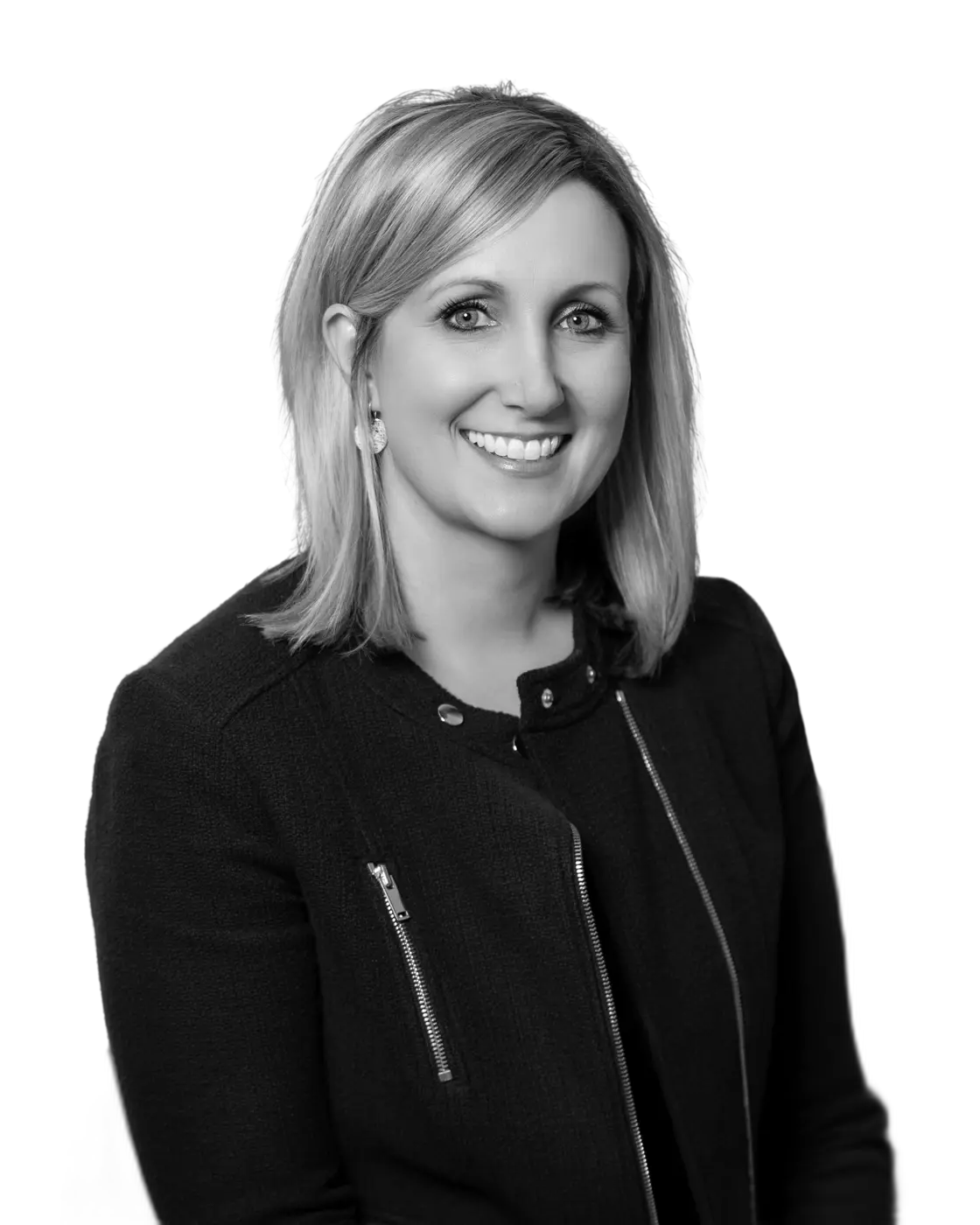 Katelyn MitchellCo-host, runs operations for Brett
Brett bought Cronos, the coin behind crypto.com, to teach his wife a lesson. It shot up, then fell 94% when FTX collapsed, and it never paid rent, interest or dividends. Gold came in at number 13 as an inflation hedge that also pays nothing, and it dropped 14% between April and July after he bought it.
Jump to 8:14Brett's ocean view condo on Ambergris Caye in Belize is managed by Marriott Autograph and earns him about 5% a year, even though it's up over 50% in value. Whole life is insurance he bought at 33 to protect his wife and three kids. The bonus is the cash value, which he can borrow against from the carrier at 5% when an investment property loan might cost 8%.
Jump to 17:24The single-family rentals Brett sold averaged about a 14% internal rate of return. The ones he still owns earn only about 4% on their equity, because a house that grows from $100,000 to $400,000 leaves a lot of money sitting still. His action item is to check return on equity every year and move the money when it gets lazy.
Jump to 23:37Brett's best flips make about 100% a year: a 25% return in 90 days, done four times. You get paid once per deal, and the income stops the minute you stop working. He still thinks every agent should flip, because the fix-up skills carry over to big commercial buildings later.
Jump to 27:42Brett holds SpaceX, Tesla and AMD in his self-directed Roth, and none of them pays a dividend. Held for one year, the S&P 500 has ranged from down 43% to up 54%. Over 20-year stretches it ranged from 3.1% to 17.7% a year and always made money, so money you need in five years doesn't belong in stocks.
Jump to 31:51Brett buys triple net buildings with high-credit tenants like Starbucks and Denny's at a 6 to 8 cap rate, and when insurance goes up the tenant pays it. His oil and gas royalties on proven producing wells yield about 10% to 12%, return his cash in about four years, and take him 30 seconds a month. Hard money loans pay him about 17% to 19%.
Jump to 38:07A golf course on 285 acres at Apple Mountain, resorts converted into apartments, and operating businesses pay Brett the most. His example is buying a run-down laundromat for $100,000 and making it worth $200,000 in 12 months, a 100% return. Katelyn describes the path as a launch phase, then stabilization, then a team and systems that run it while the owners advise.
Jump to 54:41A great purchase can turn into a bad hold over time. Not because the property gets bad, but it's just, it's grown.Brett Tanner · at 23:37
Brett's ranking of everything he has owned, with what he said each one pays and which bucket it belongs in.
| Rank and asset | What Brett said it pays | Bucket |
|---|---|---|
| #14 Crypto (Cronos coin) | Nothing, and down 94% since FTX collapsed | Speculation |
| #13 Gold | Nothing, and down 14% from April to July | Inflation hedge |
| #12 Belize condo | About 5% a year, value up over 50% | Lifestyle |
| #11 Whole life insurance | Cash value he can borrow against at 5% | Insurance |
| #10 Single-family rentals | Sold ones about 14% IRR, kept ones about 4% on equity | Rich |
| #9 Flips | Best ones about 100% a year | Job |
| #8 Stocks | No dividends, SpaceX rose about 37% in weeks | Rich |
| #7 Notes | About 14% to 19% on hard money with points and fees | Wealthy |
| #6 Triple net commercial | Bought at a 6 to 8 cap rate | Wealthy |
| #5 Oil and gas royalties | About 10% to 12%, cash back in about four years | Wealthy |
| #4 Hard money lending | About 17% to 19% | Wealthy |
| #3 Golf course | Newer, with a new GM, on 285 acres at Apple Mountain | Wealthy |
| #2 Resorts to apartments | Targets high double-digit returns, plus depreciation | Wealthy |
| #1 Operating businesses | The highest returns on the list | Wealthy |
Tap any chapter and the video starts right there.
“High yield and high effort usually travel together. You want a high yield, you're going to put some work into it.”
Brett Tanner at 27:42Brett's last step is to find your lowest return on equity, and this tool runs that math on your own rental.
For Brett it's oil and gas royalties. He owns the royalty interest in proven producing wells, pays for nothing, and spends about 30 seconds a month checking a report. Hard money lending and triple net buildings also pay him whether he shows up or not.
Brett ranks it dead last of the 14 assets he has owned. It pays no rent, interest or dividends, so the only way to make money is for someone to pay more than you did. His Cronos coin fell 94% when FTX collapsed. He says if he wants to speculate, he'll go to the blackjack table.
Brett calls them a good entry point and a place to park cash while it grows. The ones he sold averaged about a 14% internal rate of return, but the ones he kept earn only about 4% on their equity. He says to check return on equity every year and move the money when it gets lazy.
Brett treats it as insurance first. He bought a large policy at 33 so his wife and three kids would be protected. Katelyn adds that it works as forced savings, and the bonus is borrowing against the cash value, which Brett can do at 5% from the carrier.
Brett gives four steps. Write down every asset you own and what it actually paid you last year. Score how passive it is from 1 to 10, then label it a job, an asset of the rich or an asset of the wealthy. Finally, circle the one with the lowest return on equity and decide if you want to leave that money there.
0:00I ranked all the assets I've ever owned from the worst to best. I'm gonna buy it, but I'm only doing it to teach you a lesson. I couldn't wait for it to crash because I wanted to prove a point, even though I was gonna lose a lot of money. Speculation ends spectacularly. If something happened to me, I wanted to ensure that hard times would never come for my wife and my three kids. Could we make that business, Katelyn, worth $200,000 in 12 months? Is that possible? Boom! Boom, Katelyn, hello. Hey, now, what's that from, Katelyn? What's that from? I don't know. Hey, now. Hey, everybody. Katelyn, that was Howard Stern's intro he used to do every single time we started a show. I only know that because, Katelyn, there was a period of time when I owned a sandwich shop and Taylor and I would get up at five in the morning to go make sandwiches for this contract with the school that I landed. And we would listen to Howard Stern every day. It doesn't have any relevance what we're talking about today. Was it when you had to listen to it? You
1:00couldn't listen to it online. You had to listen to it up to it on and I'm gonna get the station right. Power 105 in Phoenix. I think it was back then or maybe just as soon as we saw that winner. But it might've been, I think it was in the radio era. We had the radio cranking and you're like, oh, okay. Yeah, it's, so today, Katelyn, I did something really interesting. I ranked all the assets I've ever owned from the worst to best. And we got 14 of them. We're gonna ranked by what they paid me and which ones make you rich versus wealthy. Okay, here's what's cool. Everybody's got an opinion on which assets that if you go down the street and you're like, dude, what do you like? Someone's gonna be like, man, I've got the new Shiba Inu coin or whatever. I got some crypto crap coin. It's awesome. And so everyone's bias on whatever they own is the greatest thing. And I've owned Katelyn more stuff than you could possibly imagine in my career. And I'm gonna talk through it because earlier on, early on in my life, I didn't actually have a full
2:00methodical wealth plan. Katelyn, I know that seems shocking, but as a 20 year old running around with lots of money, I bought lots of goofy stuff. Cause a lot of times I was like, oh, my neighbor's buying it. That's cool. I should buy it obviously. So, but I didn't have a model. Katelyn, I wasn't a model builder back then. I'm just a young kid making too much money, you know, making some bad decisions. And today, Katelyn, we're sophisticated investors and we look at things differently, right? And there's assets that can make you, there's actually assets that can be a job and there's assets that can make you richer. There's assets that can make you wealthy. You can actually have stuff that makes you a job and just wears you out. And so we're also gonna talk about how passive it is, right? Cause I think everybody wants Katelyn passive income and multiple streams of income. And I was doing air quotes there for our audio only listeners. But in reality, Katelyn, there's not really that much pure passive income. It's like a hundred percent passive, right? There are things, but they're rare.
3:03And regardless, you still gotta watch the passive income basket. So you need to go back and I would watch the George Antone framework from our episode. If you wanna read his book, The Wealthy Code, he gives you kind of three main jobs. Now, I've applied your assets to this format, but he talks about three main things, right? We've all got a job, a day job, it's gonna create cash. We take our efforts, Katelyn, we harness that, we turn into money. And most likely we're gonna take that money and we're gonna buy the assets of the rich. And why wouldn't you go like, well, Brett, I don't wanna do that, that sucks, I wanna buy the assets of The Wealthy. Well, we need a stepping stone, right? There's gonna be a place, we're gonna park it for a minute, grow that, and then we're going to level up the game. You know, the way we teach it in our world is we call it short-term, mid-term and forever. So you're taking your cash, comes in in short-term, putting it into mid-term. These investments of The Rich that we're gonna hold for a period of time, we're gonna roll them up into what makes us wealthy. And so we're gonna roll through, Katelyn,
4:0614 different assets that I've owned, what they look like, why I did it, whether it was good or bad, and all of that. Katelyn, are you ready to rock or what? This is easily one of my favorite things to talk about. I get the opportunity to share with a lot of people as they're deciding whether they wanna enter into our world and shadow one of our masterminds or not. And this is right where we talk. How do you go from your job where you're generating your income into The Rich where you're gonna create appreciation, assets that you're parking your cash, and then transition into the wealthy? And they always have asked the questions, what are those actual assets? What have you learned there and how do I move faster? And so this is my favorite thing is now we get to go through a whole bunch of what you've learned in the last 25 years that'll show us what buckets should those go into? What were the right ones? What were the wrong ones? And what would you do differently? I'm jacked. So I got it. The first one, we're going crypto, Katelyn.
5:07This is number 14. And again, this is ranked worst, too best for me. So here's the deal. What I bought, Katelyn, I bought Cronos, the token behind crypto.com. And it's because I was manipulated by my wife. So this was not my investment, I'm being clear. It was when crypto.com, they were like the staples, like the Laker Center, they sponsored where the Lakers plays a crypto.com arena. So my wife comes to me and says, honey, she lets me invest the capital and she empowers me to go do my things. And rarely does she weigh in like heavily or want to make a financial investment. I again, we talk about everyone we do, but rarely is she originating an idea like we're going to go do it. It's just not her role in her department. And so she goes, babe, I want to put some money into Cronos coin crypto.com. I'm like, oh, okay, what's your logic? Her logic was people would sit in the stadium, they would see crypto.com and their brains would say crypto.com, crypto.com,
6:11crypto.com, and they would go buy the coin. And they had a whole thing, they were going to make it bigger than that and there's all this blockchain technology Katelyn's going to revitalize the world. And so here's what happened. She does a good idea, I said, you know what honey, I'm going to buy it, but I'm only doing it to teach you a lesson. Because when you buy what you don't understand, a fool's money is typically soon parted. And so I was like, we are being fools here because you don't know anything about this technology. I personally know nothing and I don't want to learn. And so we bought it. And Katelyn, I couldn't wait for it to crash because I wanted to prove a point, even though I was going to lose a lot of money, cool way to get a tax write off by the way. And not what I thought. Do you know what happens Katelyn? What happened? It instantly skyrockets. It goes, I mean J curve, most money as a percentage I have ever made in such a short period of time. And you can go back and look at this. It goes through the roof. And I'm like- Oh my gosh, was Taylor so excited? Oh, she's now the, she is Warren
7:13Buffett in this moment. She's like, look, I see things maybe you do- Maybe we switch roles, you know? But also maybe we switch roles, maybe I do the investing. I gotta be honest, Brett, this isn't that hard. And I'm like, okay. And I was like, you've got to be kidding me. This is the worst way to teach a lesson. Now when FTX collapsed, the value went down 94% of which it's still holding here today. Oh, I hold it today. I'm gonna never sell because I got to teach her a lesson. And I bring it up all the time. Go, hey, whoa, you got another hot tip. Only 94% down, killer. It'll come back. Do you know, Katelyn, when something goes down 94%, how much it has to go up to get back to where you were? It's not 94, I'll give you a hint. It's not 94%, okay? It doesn't work like that. So here was the lesson I learned. Speculation ends spectacularly. Really does. If you speculate, it's gonna be bright and beautiful
8:14one way or another, right? It was beautiful on the way up and boy was it beautiful on the way down. It also paid nothing, right? It had no dividends. It had no rent. It had no interest. It had no dividends. I know that you can stake your coins and make it half of a nickel or whatever, but really the only way to make money is for the greater fool to pay more than what I did, right? I need another unsophisticated person to come in and buy it again, okay? You wanna think about like when we invest money, right? Well, if we're even in the stock market, Katelyn, we're buying pieces of productive companies. Sure. We're not buying a coin, it's just based on some tech and whatever, right? It's not a piece of a business. It didn't make us owner of crypto.com. It made us do this technology that apparently the world deems as relatively worthless, right? So it wasn't a job, it wasn't an asset, it was pure speculation and speculation ends spectacularly every single time. So that for you is, if it's speculation, it's not a job, it's not an asset, it does reproduce cash flow. There's not a hard asset
9:19piece of collateral behind it. Boom, worse investment of all time for you. I would never do it. I did this to teach a lesson and a lesson taught. I would have never made this investment. Like if we're gonna go speculate, Katelyn, you and I know what I'm gonna do. I'm gonna go to the Pai Gow table. We're gonna go to the Blackjack table. If we're going gambling, let's get it, right? I mean, you know how exciting it can be when you get a, Katelyn, you have not seen the excitement when someone gets a hard eight. I mean, it can be on the relapse or on the craps that it can be the wildest thing I've ever seen on a hard eight. So on number 13, asset that I currently own, Katelyn, I don't know if you know, I've taken a gold position. I own it today. I took a relatively significant stake in terms of my net worth earlier this year. And I'll tell you why I did it. Gold is an inflation hedge, right? If you believe that inflation is going to be more in the future, gold, historically, right, does well. When the dollar buys less, gold
10:20tends to hold its value. It's protection, though. Let's be very clear what I'm buying here. It's a hedge, you know? It doesn't pay me anything, right? And overall, let me say this again and again as we go through this today, I hate things that do not pay me monthly. I love things that pay me monthly. And you know, Katelyn, in our businesses, if we made a dollar in profit and I get 40 cents, I want my check for 40 cents. I want it because I gotta get paid for the work that I do. If I'm gonna go broke, it's sitting on the beach, drinking a corona, not busting my ass, running a business. And so I love monthly cash flow. Gold, right? Not like that. So it doesn't pay rent. I bought it in April, Katelyn, and I know if you wanna look up real quickly what happened to gold after by July, it went down 14%. So super sick, buy an investment, and within three months, I've lost 14%. Let's go. However, I'm a tax guy. So Katelyn, and I was buying it through an index. So one of the indexes, there's a couple of indexes that have very, very low cost. You got like GLD, and I think it's IAUM
11:21is the other ticker symbol. So what do you think? If I can't sell it and rebuy the same ticker symbol, that's against the IRS rules. But I can sell one in a loss, Katelyn, and then go buy the other one and lock in the tax benefits for the loss, and then buy it. Well, the other fund is up nearly 7% as we're going on here. And so I'm still down on the trade, but not that bad. But I'm not doing that today. It's just I'm, this is a longer term bet, right? So it should be the way I would think about it for our listeners. You may want to have an inflation hedge as a portion, a percent of your overall net worth, of your investable capital. It should be a percentage. It should never be the lion's share, but it could be a portion of it. So it's a hedge against inflation, keep it small. I do like your clever little tax loss harvesting move in the middle of it, but ultimately it is not a tax, you should not invest to do tax loss harvesting. And that is the disclosure here. You should invest in asset that produce cash
12:21flow longterm, not for the purpose of tax loss harvesting. You should never try to lose money to save taxes. When I did, I was just like, well, what could I do here? Well, I only have one way to try to turn this into something better than what I got. I got a tax loss. If you need help in your business right now, you've got to challenge or an opportunity that you really want to hone in and capitalize on it and make a game-changing breakthrough in your business. Come out to our one-day workshop. This is something we've never done before. We're now doing them at the resorts we've bought, so they could be at Apple Mountain, Georgia. They could be in Northern Arizona. They might even be in Belize in the future, but you get to come to a one-day where they're, I'm not going to present slides. It's literally you and your business and you're going to leave with an action plan you can implement in your business. Go to bewealthypodcast.com and you can click on our upcoming events and see where we'll be and book to come. The room is limited. We have no more than 15 people in the room. Go to bewealthypodcast.com and you can book our one-day workshop coming up. Number 12, Katelyn, this is up. We're
13:21going to call this a VRBO, an Airbnb, but it's not. Oh, I know, this works well for me as your friend. This works really well for me. So I bought a wholly owned condo in Belize. It's on the island, Ambergris Caye. I went there traveling and because I'm in real estate everywhere I go, I look at real estate and I took the real estate sales guy out and I was like, hey dude, what do you got? He says, we are almost sold out. We only have three condos left. Mind you, it was my first time ever in Belize and this is like now probably four years ago. And I went, well, I was there. I was certified to dive. My oldest son, we were certified divers and we went and dove. And so Katelyn, when you normally go scuba diving, I want to walk you through the process, you drive your car 30 minutes to the dive shop, okay? And you check into a dive shop, which is usually crappy. And then you get into a really crappy van and you bumble around for like 30 minutes to a dock and then you get in a boat and then
14:21you get in a boat for about two hours and then you dive twice, which is magical. And then you come back and then it's like a six hour thing, okay? You're in a wetsuit, it's a whole thing. I do it in Belize, they're like, you don't need a wetsuit. I was like, when I get cold, they're like the water temperature's like 84. I was like, oh, I don't need a wetsuit. One time should I show up? And like my room's right there, the dive shop is on property. So like you walk, dance a three minute walk. And so they go, well, just show up in your like board shorts and like it, we leave at eight o'clock, just step on the boat at 755. So I left my room at 753 and I walked in the boat, we dove, the second biggest reef in the world's right there, dove. They actually brought us back for, so wherever long you're down, you have to be up for like a surface interval. So if you're down 40 minutes, you really need to be up like 40. They just bring you back to the dock because it's only like 15 minutes. I went back to the room, gave my wife a kiss, came back, did another dive, came back. I was done with this entire
15:21thing by like 958. I'm back in the room with my wife, it was two hours, I go, honey, there's nowhere in the world I've ever been able to do that. Unbelievable. That I've experienced. Unbelievable. So I go look at the real estate. We get this ocean view condo, I look and I go, dude, I would offer this number right now. He goes, we will likely take that offer. So then I got to do that thing. I go, hey, honey, come in here real quick. Do you like this condo? Because I love it. I'm obsessed with this place. And I was making a bet that if I bought my entire family, we get certified at our home in Belize, that all happened and I've owned it. So that's the lifestyle part. Now let's talk about the investment. So mine is the hotel that the homeowners have selected. I could go live there full time. So this isn't a time share as a wholly owned piece of real estate. The Marriott Autograph manages our hotel, okay, manages this condo. And we have a revenue share. So I can agree. And when I put it into the program, I get to use it a certain amount of time per year, which is like, let's call it two months a year. I don't use it that often. So I wanted
16:21revenue when I'm not there. You can live there full time. This is yours. This is not a time share. It is your property. What you have done is you have contracted with Marriott Autograph and made the choice to have them put it on the market for you and manage that process. But this is, I want to make sure everyone hears that because you'll hear us constantly say time shares are going out of business. That's an opportunity we're pursuing. This is a wholly owned condo that the Tanner family can live in full time, use for them exclusively for them and these four walls. However, if you're not using it, there's a business opportunity in the partnership with Marriott. So what's beautiful about it is when I go there, it's free, right? I don't pay. I mean, if I want housekeeping to come in, I pay for that or whatever it is. I get discounts on the things that I buy off the resort. There's like four or five restaurants, but overall, right? So I get a split. Now, the person that developed this project is the real person you want to be. They're making the real money. You know, this
17:24makes Katelyn on an average year about a 5% return on my money, okay? I paid all cash for it and financed it. So for me, I make 5% of my money. It's a lifestyle thing. I go there. I've sent people I love there. You've been there with Russ. I've sent some of our friends there. It is wonderful. I mean, I love it there. And there's so much exploring to believe. So here's the thing. It's why it's number 12 on the list because it's not really an investment. It was a lifestyle play that has an economic return. I have bought it. It is up over 50% in value since I bought it, which, you know, you don't hate that. But here's the lesson I would learn. My return is pretty low relative to it. It's mostly a play on appreciation because the operator who runs the actual business is making the large part of the yield, right? I'm making a much lower piece of it. So again, the beauty here doesn't take any of my, I have zero times zero management. I have nothing to do here. I have no involvement. I could, they tell me there's calls
18:24I could be on to vote. I don't vote. Everyone else will do the voting. They'll figure it out. They'll land at the right decision. I'm confident. So it just, this is a lifestyle play. All right, Katelyn, let's go now. This one here, I'm gonna skip around a little bit. We're gonna go to whole life. And again, I've ranked this worse to best. You might say, well, Brett, 11's pretty bad. Well, hold on. I rank these as investments. So whole life is insurance, not an investment. In terms of law, I think- Same as gold was an inflation hedge, not an investment. So these, as you're looking at, are true dollar for dollar rates of return yields achieved investments. We're not saying that the condo in Belize, great investment for the lifestyle of you and your kiddos, but rate of return, not ideal. So whole life isn't an investment. Everyone should have a hold. It's an insurance, right? And so
19:25people get that all confused. Now, should everyone watching this, do I believe that every human being should own a whole life policy? If they actually understand it, done right, do I believe that? In my soul, yes. Well, people fight me the death on it and they got a better way to make money and they're gonna become rich. It's always funny. The people that are against it are not rich. It's very interesting. Banks have billions of dollars of this and they're the richest, some of the most wealthy financials who's together have billions of dollars this product, but poor people hate it, which is great. It all makes sense, right? The asset, you should actually go. The assets that poor people hate is probably where you should put your money. That's a conversation for another day. So whole life. I own a- No sarcasm there. Audience, no sarcasm at all. That was really something. Thank you, Katelyn. So, well, it's the truth because when the government limits you or people are against it, it usually it's because of lack of understanding or it's too good of an opportunity. And so I own whole life. I own a very specific type of whole life that is a guarantee. So is it the sexiest thing ever? No, it's absolutely the most boring thing ever
20:26because it just does what it says, right? And if you look at the returns, again, if you look at only the financial returns, it doesn't make sense. But what is whole life, Katelyn? It's insurance about bad things happening. So the reason I bought my policy, I bought a huge policy at 33 years old and the reason I bought it because if something happened to me, I wanted to ensure that hard times would never come for my wife and my three kids. And I did this in a way that allow, I'm like, honey, if you take all of our assets, if something happens to me and we throw an extra, we'll just, I'll make up numbers here, an extra $8 million or $10 million on top of it in cash and you screw that up, you deserve to be wherever you're at. I can't help you because you could just put it in treasury bills and live a great life forever, right? Katelyn, $10 million in treasury bills today. Also known as let's not do crypto.com. No, you do treasury bills. You just, boom. And then you could spend all of the, you could torch the treasury bill money every month which would be literally like a crazy number and you do it every single month and you could literally next month, you could torch it again.
21:29So the reason why I'm writing it now in terms of passive, gosh, couldn't be more passive, right? The most passive thing ever, you just gotta put money into it. Now, outside of the protection that gives my family, Katelyn, as you know, it's a tool, right? So it provides a death benefit, it provides tax-free growth, it provides access, it provides protection, it provides some privacy, but here's the deal, Katelyn, I can use it. My policy is it grows in cash value. It's still earning the money that the policy makes but I can borrow against it at the lowest rates possible. Like right now, one of my policies, I can borrow from the carrier at 5% right now. When rates on an investment property might be eight, I could borrow at 5%, Katelyn. It's still working, protecting my family, but it's an asset I use in my capital stack for wealth creation for my family. Now, should you do it only for that part? No, you should do it for the entire thing, protect your family, get the tax-free growth. It's a form of forced savings. All of these things, it allows you to protect your wealth, pass it on, and you could leverage the cash
22:34throughout your lifetime. Any comment you wanna make on a whole life, Katelyn? No, I think you nailed it. It's the insurance policy for you and your family. It's a forced savings environment that then the bonus, that isn't even really the reason to do it, the bonus though, is that you can utilize that as part of your capital stack in whether it's the rich assets or the wealthy assets in order to optimize your spread. But that is the bonus at the end, right? Ultimately, the reason we don't view it as an investment is you should be doing it primarily for the first two purposes. 100%. All right, number 10, Katelyn, single family rentals. And I know that's gonna be controversial. It's not saying they're not bad. I'm not saying I don't buy them. What I am saying is the returns, okay? Are not insane. Okay, they're not insane. So part of it, we talk about, right? This is a midterm that you would roll up to, obviously, numbers nine through one,
23:37but it's just, it's a different game. So you've gotta look at this like, I'm already in the process of selling mine and I've given that reason why, because I can use a 1031 exchange. I think they're a great entry point. I think they have value. But here's what I learned when I go back, Katelyn, I go look at it. The ones I sold, right, averaged about a 14% IRR, right? An internal rate of return. Now, the ones I still own, right? I'm only earning about 4% on the equity. So as they grow, they got a lot of equity sitting in these. And so it doesn't, a great purchase, Katelyn, can turn into a bad hold over time. Not because the property gets bad, but it's just, it's grown. It's, in other words, think about it. You bought a single family rental, Katelyn, for $100,000. It went to $400,000. It did its thing. Now, if you want to keep it and stay there, you can put it, you might find a way to get more passive in a better asset, that might make sense. So it doesn't mean you made a bad thing. You did the right thing, but like sometimes
24:39things just do their job and the equity got lazy. And so if you might, might just want to go use that capital somewhere else to get you a better rate of return. The cool part, Katelyn, is it's done right. So like you have your job, like these three buckets we're talking about. You have your job. Your job is to trade, essentially. It's going to be time for money for a profit, right? You're going to go to work every day. You're going to do specific things and you're going to get a rate and you're going to get an income from it. In that category, you have two jobs. Number one, you are trying to generate the right margin out of that business or day job, right? We've got to make enough money there. And then you have to keep your expenses as low as possible so we can take that extra money and go put it here in what we're talking about, which is the rich bucket. And in single family rentals, what you're doing is you're creating this parking lot in essence of places to put your cash and for it to sit, there's going to allow appreciation over time. So while you keep
25:39parking money in there for years, right? For a couple of years, we're going to keep parking money in there. It isn't sitting stagnant. It's sitting in an asset that's going to have appreciation. Ideally, it has a cash flow or a spread or a margin that we're looking for, but those are ways to collect your money and get rich. And then you have to look at it all the time like Sam Zell says, every day you choose to hold onto that asset, you're buying it at that price. And so you have to say, okay, now this, you know, I've four of these houses. I'm a monopoly. I'm sitting on boardwalk. I've got four houses. I could go ahead and trade these in for the hotel or for the apartment complex or for the larger asset, it'll have less manageable units. But buying single family rentals at the right spread and the right margin always makes sense to hold your cash in that rich bucket. It's just a matter of finding that right one
26:40today and then waiting until the equity builds in such a way you can move it into the wealthy assets. So we are fans of single family rentals for the right amount of time in the right market with the right rates of return, period. And it's your midterm investment. That's right. It's the asset of the rich, right? So what's our action item? Go check your return on equity every year, right? Katelyn, we got to check our return on equity and then we may need to move it over time. All right, let's go to number nine. I mean, I'm calling it an asset. I've got to put it in there flips, right? So I've done a lot of flips. Now again, these are kind of ranked based on the returns incredible, but in the passive nature here, when we go back to single family, I'm going to call those a five on the one to 10 scale. Flips are not passive at all. So while you get a crazy rate of return, Katelyn, it's a job. And no matter how many people you put in this, this is a job. Now, so flips, what I do, I buy house, I fix about my selling, pretty simple. My best flips, Katelyn, on an annualized basis
27:42make 100% rates of return on an annualized basis. It's not uncommon. We're not blown away by that. It's because if I buy it and I get money and money out in 90 days and I get a 25% return on that asset, I could have done that four times per year. I can get to 100. And so the catch to this asset class, Katelyn, is you only get paid once unless you sell or finance it, right? It's a day job, it's a machine, and you got to keep building. It's the least passive thing on this entire list. The minute you stop working, Katelyn, the income stops coming in. So the lesson that I want our listeners to learn, high yield and high effort usually travel together. You want a high yield, you're going to put some work into it, right? I mean, probably less passive, right? Low yield, less effort together. And so he's got to think about that. So which box does this fit into: job, rich or wealthy? Well, it's a job, right? And so it's a paycheck with a big number on it. Now, do I believe that real estate people,
28:46like every real estate agent in the country should flip homes? I do, I firmly believe that. Because you're running to opportunities and you could use your skills as a real estate agent to participate in the transaction as a principal. And I could tell you that that concept changed my life. I was selling the house and I'm one day, I'm like, wait a minute, why am I going to go take this deal, walk it over to an investor and they're like, we'll pay you 3%. If you bring it as a deal and make a hundred grand, you're like, I'm not doing that. I'm going to do it myself and I'll make the hundred grand and I'll give myself the commission, right? And every agent should be thinking that way, right? But flips are a way for you to learn the game and the skill, Katelyn, that you and I learn flipping homes has a lot of relevance later in life as you go to big commercial assets, spoiler, approving things, fixing them and repairing them or a thing you're going to do forever when you get in the assets of the wealthy. Katelyn, anything you want to add to that before we move on? I think you nailed it. I think it was perfect. I actually took some notes for us for some things. I had to change my, I had 130 rental properties and I realized in my life I was climbing the wrong mountain. If you've got
29:48single family rentals and they're not cash flow in the way you want, you want to move into commercial real estate, you don't know the steps. Come join us at a one day workshop at one of our resorts where we moved my single family rentals and I can show you exactly how I changed my cash flow dramatically and tripled it through commercial real estate. Go to bewealthypodcast.com, click events and you can see where we will be at one of our resorts and show you how you can do it too. Next one, number eight, stocks. Katelyn, I have not been the biggest fan of the stock market because I invest in things I know, understand and believe where I can get an outsized rate of return. That being said, today I own a handful of stocks today that I have picked selectively based on the research that I've done that I've done way too much research and read way too much. Right, but there are things that I believe and so if you believe it and you believe that you can get an outside return, you can predict what's going to happen, you may want to place money in those bets. And so what I own today, Katelyn, I own inside of my Roth self-directed
30:49retirement account. SpaceX is my largest position. Tesla, and I've got AMD and a couple other, I got some, so I made a couple of these bets that have worked out astronomically well. I went to SpaceX when public. I actually strategically, Katelyn waited until the day after the earnings call where the people that got in prior to it going public could actually sell. And I believe that the stock could come down that day and I was just ready setting their waiting. It came down to my number and then I placed a relatively significant trade. And of course it made like 37% in the coming weeks. So I'm a genius via the, that's a joke, Katelyn. No, I'm not, but for me, when I look at this, Katelyn, it's a forever hold. Either that's going to be the greatest stock of all time and I'm going to hold it forever and I will participate in that or it will go to zero. But I am not a seller. So the way I think about the stock market is not like a dance card that I'm just going to pick, you know, along like Warren Buffett said, it's like I only have so many stocks I could buy and I'm
31:51going to hold forever. I believe in the, the reason I bought Tesla is not because I'm obsessed with the car, which I am because he got rid of my car, which is annoying. I believe that robotics is going to be one of the biggest opportunities you're going to see. If Optimus works, when it works, we're all going to have a robot doing all the stuff we don't want to do. I mean, human beings are love having other people do stuff for them and everyone's going to have an Optimus robot or whatever version of it wins. And so that's my bet. So long run from the stock market, if you go over a 30 year period, Katelyn, you're going to get right around 10-ish percent, okay? And we're not going to quote an exact number, we're going to call it 10-ish percent. Now, but the key to that Katelyn is over a long period of time. We're going to use like three decades, okay? But here's what I want our listeners to hear about the stock market, Katelyn, because I did some research for us. Number one, if you hold the S&P 500 only one year, the range of what your investment can do in one year, you could be down 43% or up 54%.
32:53If you only have like one year, like that could be the range, okay? If you held it 10 years, okay? You'd pick a stock, this is on average, if you pick random 10-year periods, you're down 3.8% to plus 20.1% a year. Meaning the most variation you likely would have. And that's based on them going back and picking 10-year periods over the past. The worst periods and the best periods, right? Since 1921. And considered good would be just 7% if we just pulled a random 10-year stretch. Now, Katelyn, here's where it's getting, so that was minus 3.8 to 20.1. Now, here's where it gets interesting, Katelyn, if you hold your money in the stock market, okay? And we're just talking about the S&P 500. If you did this for 20 years, okay? 3.1% to 17.7%. Every single period, okay? In the history of earth, over 20 years, you made money. Interesting.
33:56Okay? So, time doesn't make the market go up. It makes the ups and downs cancel out. That was what Gary Keller said at mega camp this year. Time doesn't make the market go up. It makes the up and downs cancel out. So, money you need in five years doesn't belong in stocks, Katelyn. Money you're not gonna attach, that you're gonna say, hey, I'm gonna use this in retirement does. And so, I've had some things that worked, I've had some things that didn't. This is an asset of the rich. Katelyn, why? Cause it's an appreciation play. None of the things I own pay a dividend, right? So, I'm betting that the value of that enterprise, the market capitalization that business rises radically in the future. Like, my bet on SpaceX is in the next 10 or 20 years, it becomes a $20 trillion business. If that happens, it's gonna be very, very lucrative. So, the reason that's rich. It doesn't have to go all the way to $20 trillion to do that. To do that. The reason that goes in the rich bucket is because you're banking on appreciation only, not on the cash flow where we move and
35:00eventually take that SpaceX investment and we move it into an asset of the wealthy, that's going to be something that's going to produce consistent monthly cash flow forever, right? So, that's why this had the lower ranking of it. You know, it's your eighth because of that. That's, it's completely right. It's completely right. All right, Katelyn, the next one, notes. So, notes when it say we're the bank on mortgages, okay? So, I own both hard money. So, people that are doing fix and flips or rentals or investments or commercial, I do those, it's hard money. And then we also, I might sell an asset and then or buy a 30 year fixed mortgage for an owner occupant, okay? So, what it pays? Katelyn notes, hard money, I'm averaging like 14 to 19%, including points, fees and everything else, okay? So, it's a
36:03pretty lucrative investment. In terms of passive, okay, Katelyn, that's where it gets interesting, right? Kind of a little work on the front and then it gets really passive in the middle. I mean, if it screws up or defaults, then it's kind of not that passive again. So, it kind of on that passive scale, it's like not at all, a lot, not at all. You know, you're normal if you're selling an owner occupied note on average that yield, you can buy them, it's around 10 to 12% is what people are getting right today, in terms of rates of return. When you sell them, you typically are gonna sell notes if they're a owner occupied note, at around 85 to 95% of what they call UPB, the unpaid principal balance, you can sell them, there's a marketplace for it. Now, Katelyn, I'm gonna tell you, this is an asset of the wealthy. Why? Cause it creates cash flow. So now the only, there's a downside here though, right? Cause like everything, it's gotta be managed, right? There's defaults, they missed their
37:04insurance, it lapses. So you've got to, while that 12% return, if you're not doing it, or you've got your staff doing it, you got to think about those soft costs in the investment. But it is an asset of the wealthy because it's paper, it pays us, right? It costs you a little, but it does pay you every single month, high, high rates of return. So Katelyn, I do want to pause here. I want everybody to put the squat rack down for a minute. And Katelyn, as we're walking through it, you know, as you have in this conversation you and I are having here today, we have this conversation every single time in our mastermind. This is the conversation that 200 people are having together that are all on the same journey of moving from their job to rich to wealthy. And if you're interested in being on this journey with 200 other people to support you and share you on, come join us in our next mastermind, click the link below and we will set up a call to see if you are a fit for our upcoming mastermind. All right, Katelyn, we're moving on. Number six,
38:07triple net, leased triple net properties that are commercial with high credit tenants. Notice Katelyn, I didn't say Katelyn and Brett's taco shop, which would be incredible. That's just not a high credit tenant. And so I'm talking about buildings owned by Starbucks and Circle K, or the tenants are Circle K. Some of the biggest companies on the planet, Chick-fil-A, whatever your brand of fun is, we want the highest credit possible from the business. I own, as you know, Katelyn, a Starbucks, a Denny's, I got AT&T, I got these other tenants. And so typically your cap rates, we're targeting here are gonna be somewhere that we're buying. I mean, they're much lower of what you could find listed. We're gonna buy a six to eight cap rate with the highest credit tenant we can get. I don't want office space today. Again, that wouldn't work for me. You want to get the highest cap rate that is totally passive with the longest term lease you can get.
39:10This is totally Katelyn, the box it fits in, this is the asset of the wealthy. Commercial real estate, you pulled the stat on this, is the largest asset class in the world is commercial real estate, right? It just is. And it's where, now this is the passive side of it, right? If you have a ten-year lease, this is a passive, I mean, it is the passive play. The returns aren't as high, but the work is low. Here's the cool part, Brett. You take, let's say you had four, because I always like to use that example, four residential real estate, single family homes, right? And your equity builds over time, but you're getting calls like the toilet's not working, the taxes keep going up, the insurance is going up. You have all of this management, number one, and sure maybe you have a property manager, but you've got taxes are going up, insurance is going up, there's four different houses. And so to manage all of that, we need a lot of bookkeeping on the back and there's just a lot. So now if you can take, which was fine because we were continuing to
40:11grow the appreciation and the equity in that bucket, that midterm bucket. Now we're gonna take it and put it in something like a triple net commercial property where let's be honest, you and I don't get a call about Denny's wanting to resurface the parking lot. The, I just helped to requote the insurance for it and it was just sending over an email notification to Starbucks to let them know their insurance component of their portion of their lease went up, right? We dictated the controls, they have the expense increase. So when you get a triple net commercial property, it's almost the most passive thing you could ever invest in. And it's something that the rich utilize all the time because it can plug and play is an investment that sits right on your bookshelf and continues to give you cashflow year over year. So when you say what is a high credit tenant, you're looking for someone that you can trust to put on that bookshelf that's gonna pay year over year. So you're
41:13looking at someone like a huge global enterprise like a Starbucks that lease can be backed by their entire corporation. And I gotta be honest with you, they're either going to live up to the terms of the lease or no one's drinking coffee anymore. My guess is we're gonna live up to the terms of the lease, right? And so that's how you really can look at and the reason that this started to rank so much higher. It's so passive and it's the perfect place to take the equity that exists in some of your single family rentals because guess why guys, they did their job. They appreciate it over time and they did their job. Now let's scoop out all of that equity and go put it into something that will pay our families forever. You know, Brett always uses the example in your hometown is the McDonald's you may or may not have gone to as a kid and got that happy meal, is it still there? It typically is. Mine was like 92nd Street and Shea. That one, it is absolutely still there. In fact,
42:15one of the Starbucks that you were looking to buy, you said, do you know right where this is? And I was like, that's literally next to the McDonald's whenever you say that example is that where it is. So a triple net commercial investment does not mean that the rest of these, I think a lot of people have misinterpreted a few of our podcasts or some conversations we've had. Guys, it means you won. You took all of the money from your job. You put it into single family rentals. Those single family rentals went up in equity. Now let's celebrate. Let's fill out our rental tracker, know our rates of return on today's equity and don't put it in something that means we won. We did it. This is a crown jewel. That's why it is marked so high on our list. I mean, but I love what you said there, right? You took things four or five or six things that were maybe less passive, less noisy. You got more cash flow to do less work. That's the goal. Like that's what we're after. All right, Katelyn, number five, oil and natural gas royalties.
43:20I'm not drilling, I'm not. So what I own, I own the royalty interest in the ground. I'm not in the drilling business. I don't operate, I don't pay for anything. This is passive, okay? All you can do here is literally change your ACH. So it's not mailbox money, few mail checks. Primarily it's ACH money. And every month they're just gonna drop it in your account. If they pull more natural gas or oil out, you get paid more. Price goes up, you make more. Price goes down, you make less, but you make money. I'm buying proven producing wells. We also, Katelyn, buy our strategy as we buy a little white space around it. So if something else happens in drills, I get another kind of bite at the apple. So what does it pay? What do they pay? These are around a 10 to 12% yield. Okay, that's about where we're at. Some can be as low as eight, depending on how much white space you have. But around 10 to 12% is what you're getting. Now what's cool about it, Katelyn, the way it pays is you typically get your money back very, very quickly. Typically your cash comes back in about four years. So I love games like that that give me my money
44:22back quickly and then give me some passive income for a very, very long period of time slash forever. It goes great. It's got a tax benefit to it. It's got a depletion allowance. So we get to deduct 15% of the gross income and not pay tax on it. Talk to your CPA about that. There's limits to it. But here's the catch. So what's the catch of this asset, Katelyn? When you're doing what we do, the more natural gas and oil we pull out of the ground, spoiler, there's less to pull out, right? So it's a declining yield curve is what they call it. So there's less there, which means my cash flow kind of goes like this and then it kind of tails off and stays pretty low. Now they're finding new ways and new technologies with fracking and they're finding new ways to find pockets of oil and natural gas. So sometimes you get to feel like, what was that, the Beverly Hillbillies where you just like all of a sudden a new well drills and it's like, boom, I'm making an extra 20 grand a month, which is super exciting. That does happen. But this is an asset of the wealthy, Katelyn, you can 1031 exchange into it. I've taken houses and gone into
45:22these, gone totally passive. I get a check and I set it and forget it and I am a forever hold guy here. Recently I could have sold a bunch and I was like, no, absolutely not. You and I have not talked about this, but do you know what is likely to be the number one fuel for the AI revolution that's coming? Today it's electricity. Well, the most, you know, we are, the United States has like more natural gas like anywhere in the world. We have like an not unlimited supply, but we've got eight a lot, okay? And that is the most efficient, least expensive fuel. So part of my bet is today I'm holding because I believe that we're gonna use a lot more natural gas. And we've got so much of it that that may not cause prices to fluctuate, but it's a long-term asset for me. I'll hold it forever. It is the asset of the wealthy. Your only job here is to cash checks and watch land, man, right? You watch land, you log in once a month and you're like, is it all there? Yep, okay, yeah, it's the, this is the
46:24most passive thing I own today. No question. I mean, because I literally, I do nothing other than for 30 seconds a month I get a report. I used to have to log in. Now I have my AI just pulls it all and sends it to me and I look at it and go, yep, we're good. Number four for me, and it's one of my favorite about, we did notes earlier, I didn't realize I separated hard money lending. Those rates are higher. I mentioned they're about 17 to 19%. I love hard money lending. I love everything about it. I like the asset. I can underwrite it. I can choose to create my own risk. I think that's what I like most. Katelyn, I can, in a market I could get up to a 20 % down payment or if I don't like the deal I could ask for 40. Love hard money. It is the asset of the wealthy. You just got to have a super, super tight buy box. We hit this one earlier. The point on this one, why it's number four it puts you in the seat to go be the bank. Love hard money lending. Most of us make massive investments in our business, and some of those investments don't pay off. So you can come spend
47:24a day with me for $997. You come out to one of our resorts, you're gonna spend a day, bring your challenge, bring your opportunities, and let's work through it in a one-on-one coaching session. You're gonna be in a room of your peers, no more than 15 people are gonna be there, and I'm gonna coach you personally to tackle your challenge and your opportunity. Go to bewealthypodcast.com to see the next dates for our event. Katelyn, we're down to the top three and you are going to be the most passionate about. About number three, the golf course. Now it's about to be passive, right? So we bought an active investment. We're putting in a team. We've just got a new GM. We're doing all the things. So once we build the asset, now we've got a leader in there running that business for us. And so for us, that'll become more passive. It's never fully passive because it is a business but the rate of return could be insane because it's a business, right? Like businesses we, you and I based on our ability to market lead and execute a vision we can change the economics in that business. We've already been
48:29able to do that. And with our new GM we're going to usher in a new era. And so when you look at that you're like, okay, I can cut expenses I can create revenue. Businesses, right? It's a real estate play wrapped around a business. And in the end, you own tremendous amounts of land like our property at Apple Mountain it's 285 acres we own on the campus there. So if you underwrite aggressively and you can use your ability to create the upside it can be great. I mean, things like this are the true asset of the wealthy, right? This is what these are the businesses you want to own. And we love it so much. We're trying to buy a bunch more golf courses. I mean, that's like there's no that's not a shock to our listeners and viewers that we love the business. And what the comment I would make and I want your thoughts, Katelyn is my whole life I'd heard things about different assets, right? My dad told me don't own real estate because there's nothing but toilets, tenants and trash which I don't know what that means. I heard my whole life you can't make money in a golf course. Katelyn, you just can't make any money.
49:32And we're proving that that's it's not true. You can get a great return there and you can create a great product and have a great experience. And so I love businesses always a little more work but very, very high yields. I think there's another component to it. So for me, one of the reasons I'm most passionate about the golf course and some of the other items that we're looking at is you have an operating business that can generate exponential rates of return and it's sitting on a hard asset that is real estate. So when I look at that and I apply that to like lending, for example the reason we love investing in notes and we love investing in hard money lending is it's backed by an asset. It can really never go to zero. We have a collateral component there. I feel the same way about this. Investing in operating businesses that are backed by a real estate component is just the coolest opportunity I believe. If we run this golf course for 25 years and it yields us, let's say an
50:378% rate of return, nothing crazy which is gonna be significantly more but let's say it's that worst case scenario, right? In 25 years, do you think that land is worth more than it is today or less? It's gonna be more. So when you do that and you buy the business with a piece of leverage, like a loan, a mortgage on it, right, because a bank's likely to lend on it because it's a hard asset and you fix your long-term rate, you pay down and this is an ultimate hedge on inflation and it is an ultimate operating business in the meantime. It's the combo of both for me, not to mention everyone knows I'm obsessed with playing golf. It's all those components. This locked in for me, you have a lifestyle investment which is something you and I love to do together. A day at work where we're playing golf on the course and talking about making a better business and experience for our customers
51:37is an awesome day at work, right? It's not shoveling coal. It's something we like to do. We're passionate. Number two, it has an operating business component that we know will outperform most other investments that we have in front of us. And then number three, it's backed by the hard asset of real estate. So when you layer those three components together and that could apply to storage units, that could apply to a car, that could apply to so many different things. When you layer it in that way, that's what sends me absolutely crazy. Now, I should be told, Brett, I'm a lot more passionate about a golf course than I am about a storage unit, but I find both of them wildly sexy. I'm super into it. So all right, number, it was funny. That was our number three, which is the golf course. Newer investment for us. And number two is also newer investments. So these are things we're gonna call it resorts, but things that you and I are converting to multi-family. So again, it's a real estate. It's a business backed by real estate. So we've talked about it in
52:38other episodes. We bought out these two timeshares. We've converted to multi-family. We've got really cool properties that are like resorts that offer resort-like amenities to our apartment guests. And we're able to get really great rates of return. So there's two incredible things here. Number one, it's active in the beginning. We gotta go do the work. Well, once we do the work, it becomes passive and the rates of return are very high because we did the work on the front end. So Katelyn, there's a few things I wanna run through here. Number one, we get a great cashflow that we did here. We're getting great rates of return. If you do this, right, we've talked about this before. We're trying to push high double digit rates of return as high as you and I can get them on our investments. And so they've got incredible cashflow. Number two, what I love about it is we create the value. Values created by us by two things, right? Increasing revenue, decreasing expenses, which are two things we're great at. Another thing we love about this is depreciation. Not only can we make lots of money, we can pay
53:41less tax on it because we're able to use a cost segregation and depreciate the property. Next, Katelyn, we put leverage on it, right? We're gonna borrow some of that money. And again, it helps because it's a hard asset with inflation. We're paying it back with future dollars that are worth less. So that makes a lot of sense. In addition to leverage, Katelyn, we've got your loan pay downs and these larger loans. We don't talk about it, but we're paying down significant principal every month on these, right? So every month our risk goes down, our future cashflow on a refinance is better. It's just we got a loan paid on a forced form of savings. We talked about a hedge against inflation. So it's one of those things that you can stack a lot of those things together. When you stack cashflow, value creation, tax benefit, leverage, pay down, and a super high yield because you created it, there's no question it's the asset of the wealthy, right? Little more active, it becomes passive once you get there and get your team on board and you train them up. All right, Katelyn, number one,
54:41we're at the 14. We've thrown a lot of our own today. There's no question what number one has to be because it has the absolutely highest rates of return. And the passive nature of it is controlled by you. And it's controlled by your ability on a couple things. It's to lead and execute ideas through others. And it's operational businesses. The highest rates of return you could possibly get. Katelyn or businesses. And they can't compare to a triple net commercial building. Like you cannot, it's incomparable because you and I can, let's just say we go in and bought a business tomorrow. We went and bought it, we were gonna operate a laundromat. And we bought a laundromat that's run like crap and not going very well and the machines are half broken for $100,000 or it's making $100,000 a year. And we bought it for whatever. Could we go in there and through our marketing and our ability to execute and our ability to create revenue, fix machines, put it make a capital investment and decrease expenses, could we make that business, Katelyn, worth $200,000 in 12 months? Is that possible?
55:43Of course. Of course. That's a 100% though rate of return. Hard work. So you didn't think about like... Triple net commercial to compete with that. Oh, I can't go do that anywhere else, right? So businesses are where the wealthy play. It's a job when you start, right? Cause you gotta go in there and it's Brett and Katelyn losing their minds. You've heard me use my example, right? So like anytime we start in an operating business and I tell myself this, I tell you this, I share this with everyone. We're going to go through a few phases here. You're going to get into an operating business and this is where the magic happens. It's kind of like a rocket ship. It's the launch component, right? Everything's going to be all a super intense, wildly hot at times, you know, and make that joke. But you're constantly, you have to absolutely apply so much pressure to get everything set up in the business such that it can break through the atmosphere like a rocket ship, right? That's the launch phase. You and I love that phase because we know that that's the way that we're able to test the business, right? We're able to make,
56:46find out what works and what doesn't. And then we break through the atmosphere and we get to the stabilization phase. Still a job, Brett. We're still in job, right? Stabilization phase is where, you know, part of the rocket ship comes off. The business comes down a little bit. We realize what are our lead gen levers that work? What is our expense load? What is the right long-term budget plan here? Who's our staff that's existing? We're right there with the golf course. We put now the right GM and the right structure into place with the right team. And now we are going to go into the more wealthy phase. And that's when you actually optimize the business through leverage of others and systems of others. And that's how you can take the laundromat. I'm so pumped up about this, you know, I'm obsessed. That's how you take the laundromat and take the job where sometimes you and I might be doing the actual laundry during that launch phase to get it going. And through those three steps, you convert it to the wealthy component. And now we're advisors and thought partners in
57:48how the golf course should be run and we're getting that rate of return. And we get to just go play and I'm gonna get my first home and one at Apple Mountain. I gotta tell you, I want you to get a hold on Apple Mountain. I just want to get one before you there. And I know I'm gonna get one because I know that I win before I play. So I think I'm gonna get one every time. So here's what's interesting, Katelyn, go back and look at our top three, business, resort and golf. All three of those need an operator. All three pay the most, right? So sometimes your highest return may be a little more work in the beginning. But once you have great leadership, a great team, it does become more passive. Then if you look at the next ones, right, Katelyn, the next ones that are most pat, hard money, royalties and triple net commercial, those things pay me whether I show up or not. That's why I love them, right? They're the highest yielding that don't require me, right? So Katelyn, the point we're making, we've said a lot today, use a job to create cash, create the cash to buy the
58:50income, buy the income that you want. So my dollars, the first dollars, they go back into the active business to create more cash and more cash. And then that's used to create more passive income. So here's what I want our listeners and viewers to do, Katelyn. Number one, write down every asset you own, what you actually, and what it actually paid you last year. What did it pay you? Now on a one to 10 scale. One being the most passive thing ever, 10 that's not passive at all. Write it down, where is it at? Do you have to show up or does it pay you while you sleep? Okay, and then next, define it. Katelyn, is it a job? Is it the asset of the rich or is it going to make you wealthy? And now last thing I want people to do, circle the one with your lowest return on equity. Circle the one. That's the conversation Katelyn, you got to have with yourself. Am I okay of leaving this equity here? And am I at that place where I just want to coast? Or do I want something better? And so Katelyn, I hope it's- Return on equity.
59:51Return on equity. Return on equity. Katelyn, we went through the 14 assets I've owned. We broke them down on why. I know that we added some value for our listeners and viewers today. We will be back here, you and I, next week to crush another episode of the Be Wealthy podcast. That's Katelyn Mitchell. I'm Brett Tanner. We just showed you the assets that can set you free. Go out there, Be Wealthy. See you next week.
One day in the room with Brett on your real numbers. You leave with a 5-year plan.