Josh Mettle, a mortgage lender and real estate investor who built a nine-figure portfolio starting from an $85,000 condo, tells Brett Tanner how inflation can shrink the real cost of mortgage debt. He walks through losing $40,000 on his first deal, scaling to over 100 single-family rentals, and the math behind trading $6 million in debt for $26 million to chase an 18.73% return.
 Brett TannerHost, founder of Be Wealthy
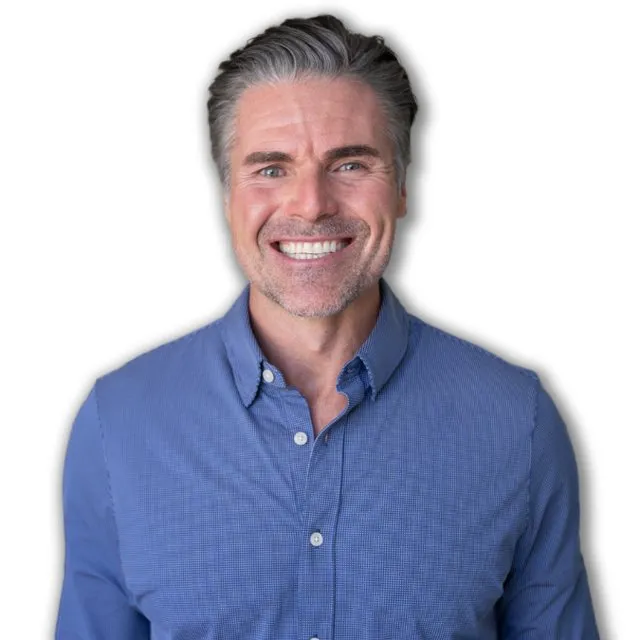 Josh MettleTop mortgage lender, real estate investor and family office operator
Josh bought an $85,000 bank-repo condo, took 4 months to finance it with no team, and watched the value drop to $63,000 after he put $13,000 into it, leaving him 35% underwater. He and his mother lost $40,000, but it taught them they were bad flippers and good at holding rentals.
Jump to 4:10Josh started buying single-family homes in 2000 at age 21, scaled to 67 properties within seven or eight years, and eventually peaked around 110 single-family rentals. He says the housing crash actually helped him because foreclosed buyers couldn't qualify for a new mortgage for five years, pushing his vacancy rate to near zero.
Jump to 11:35Josh bought his first eightplex around 2005 to 2007 collecting $275 to $315 a month per unit. Those units now rent for about $1,575, plus parking and storage fees, with some of that from upgrades. He also refinanced the original 8% owner-financed debt down to 3.25%.
Jump to 15:47Josh sold every one of his roughly 67 original single-family rentals and moved the money into multifamily and then triple net commercial buildings using 1031 exchanges. He says he never paid taxes on any of those sales because it goes against his moral compass to owe the IRS money he does not have to.
Jump to 20:58Josh shows a chart where $1,000 bought 25 ounces of gold in 1971 and buys about a quarter ounce of gold today. He reads that as the dollar losing 97% of its value in about 50 years. He treats gold's rise of about 8% a year as the real rate of inflation.
Jump to 51:20Josh is selling four small apartment buildings worth about $17 million with $6 million in debt on them to fund a $38 million, 150,000-square-foot industrial project with $26 million in new debt. He projects an 18.73% internal rate of return on the borrowed money over a 10-year hold, even assuming only 3% annual rent increases.
Jump to 1:08:18Josh keeps 85% of his net worth in cash-flowing triple net real estate, 5% in Bitcoin, 5% in gold and silver, and 5% in treasury bills. He holds that cash cushion because his outgoing mortgage expenses run about $375,000 a month and he needs liquidity for vacancies or renovations.
Jump to 1:02:00Gold isn't exploding. Fiat is imploding.Josh Mettle · at 52:26
The three stages of Josh Mettle's real estate career, as he walked Brett through the numbers.
| Stage | What he owned | The shift |
|---|---|---|
| Single-family, starting in 2000 | Grew to 67, then up to about 110 single-family rentals | Built cash flow through refinancing after the housing crash pushed his vacancy rate to near zero |
| Multifamily, the middle years | 1031 exchanged every single-family rental into apartment buildings, from 8-unit up to 33-unit properties | Refinanced the whole portfolio to under 4% debt during COVID |
| Commercial with outside investors, 2020 to 2022 | Started from a 36-unit property worth about $5 million, then added $8M, $12M, $22M and $6M buildings in 36 months | Bought at about a 6 cap with 3% debt, on leases that pass rising costs to tenants |
Tap any chapter and the video starts right there.
“The people who actually failed the fastest actually become the wealthiest.”
Brett Tanner at 5:11Josh traded small rentals for triple net commercial buildings using cap rates and 1031 exchanges. Run those same numbers on your own trade up.
Josh Mettle learned the concept from Jason Hartman. The idea is that when you hold a mortgage on a cash flow property, inflation pushes rents and the property's value up over time while the size of your debt stays the same, so the real value of what you owe shrinks every year.
Josh says repair costs, property taxes and insurance have doubled or tripled since 2019, and tenants have become more likely to fight landlords over costs. He budgeted 35% of rent for expenses before COVID and says that number is closer to 45% today.
Josh argues for holding as much debt as you can service on cash flow properties, because inflation keeps shrinking the real value of what you owe. He is trading $6 million in debt on four small buildings for $26 million in debt on one larger project for exactly that reason.
Josh points to a chart showing that $1,000 bought 25 ounces of gold in 1971 and buys about a quarter ounce today, which he reads as the dollar losing 97% of its value in about 50 years.
Josh keeps 85% of his net worth in cash-flowing triple net real estate, 5% in Bitcoin, 5% in gold and silver, and 5% in treasury bills to cover expenses like major vacancies or renovations.
0:01Welcome to the Be Wealthy Podcast, where we bring entrepreneurs the strategies and tactics to grow your business and unlock new opportunities. Once you've achieved success, we'll teach you how to think about your money. Because wealth is about more than just cash flow. It's about freedom. Now, our host, Brett Tanner. Welcome back to the VW Wealthy Podcast, where we help entrepreneurs increase their income and maximize their wealth. Today's guest is Josh Mettle and I could not be more excited to share with you his idea and the way he's thinking about inflation differently to destroy debt. It's a crazy highle conversation, but you're going to leave thinking differently about how you can maximize your wealth. With that, let's jump in and let's chat with Josh Mettle. Josh Mettle, welcome to the podcast.
Glad to be here, my friend. Thank you so much. I've learned so much while being a part of the Beealthy community. It's a pleasure to be here and hopefully give back to this amazing community.
Well, thank you for being here, man. I'm
1:02going to get your background in a second, but the the teaser for today's podcast is you I asked you to actually speak at our mastermind on this concept of inflation induced debt destruction, which is a lot to say, which we're going to get into. And it's it was one of the most impactful segments we've had because you're investing in real estate and the way you think about it is just so radically different than what everyone else is thinking about and talking about. And so that's what I'm excited to get into today. But so your background, you're one of the top mortgage lenders in the country. You're an investor. You've done massive real estate projects. I know you do public speaking. Um you run a you run a family office today. Dude, if I did I miss anything there in that incredible background? Is there anything else you want our audience to know about you as we get kicked off here today?
Yeah, I think it's important like when when people sometimes see someone who has put together a a nine figure portfolio, they're like, "Oh, they're so far out in front of me, it's impossible." And I think it I think in all transparency, I should just offer up like I was a kid raised by a single
2:05mother in and out of the welfare system my entire uh adolescent life. I had no opportunities greater than anybody listening to this and was just able to to get in and through just doing deals and and learning as I go and actually um you know there's so much there's so much we learn from the doing not from just the reading of it and so wherever you are today I guess what I'm trying to communicate is there is no upper bound for you you can continue to learn you can continue to get bigger you continue to optimize. Brett and I were just talking about we're both in the middle of the biggest real estate deals of our careers right now when arguably neither of us need to be doing that. So, um I hope that we can just share some insights and um I want to be very approachable for everybody knowing that I didn't have any leg up in this world better than anybody else. It's just getting out there and doing the damn thing. What I think is so cool about what you said, number one, nine figure real estate portfolio is is incredible, but I
3:09love what you touched on, which is it all started with your first deal, right? It started with finding opportunities. You know, my father-in-law has got this line uh where he said, "Brett, actually, everyone has the exact same amount of opportunities." So, we were playing golf. I met him when I was like 20 years old and we're playing this really nice country club up in North Scottsdale, Desert Mountain, for those that are familiar. And I'm like, "Well, what is that guy doing?" And I'm pointing on the top of the mountain like, "What does he do? What does he do?" And he's like, "Brett." and the cart guy is driving up at the same time. And he goes, "Actually, the cart guy and that guy are the exactly the same."
In life, they're going to get the same amount of opportunities. This cart guy's young and he hasn't yet found his. That guy just said yes to the opportunities that came his way. He goes, "Everyone gets the same amount, Brett. The difference will be, are you prepared? Do you have the knowledge and the resources when that opportunity comes to go make that happen?" We all get the same amount of them. Ain't that great? At 20 at 20 years old, I was like, "Wow." Wow. So opportunity, everyone gets the same amount of them. So you start and you kind of like if you look back at your career, massively successful. Would you agree with that? That like you and I didn't grow up with a bunch of money. I wish I would have inherited hundreds of
4:10millions. I would have made it a lot easier. I didn't I came from nothing just like you. But you got to go in there, get the education, and go after opportunity when it comes your way.
Yeah. I mean, my first deal was an $85,000 condo. It was a bank repo that we bought after we spent 4 months refinancing the thing cuz we didn't know what the hell we were doing and we didn't have a team. There had been three other short sales in the complex and now the value of the property was $63,000 after we dumped 13 grand in it and we were 35% upside down. Like that could have been it to mine and and my mother who who became my real estate partner still my real estate partner. That could have been it for our investing uh lives. We tried, we failed, we lost 40 grand. Uh, what that turned into was we realized we're shitty flippers. We don't have the team, we don't have the knowledge, but we're pretty dang good at renting properties out and holding them for 20 years. And it turns out if you hold property for 20 years, everything you buy, you're a genius.
And I and I think that's so important
5:11that we're going to make mistakes, right? You didn't get to the nine figure portfolio without having some losses. And so it all depends on how do you reframe some of those losses. I look at it the same way you do, which is it's an education, right? There's no failure. I've just I just had a learning opportunity. I can learn that lesson or I can have to experience it again to learn the lesson, but there's no failing, right? And the people that actually failed the fastest actually become the wealthiest. Yeah. And when do you want to learn the lesson? Do you want to learn the lesson when it was a $30,000 mistake, or do you want to learn the lesson when it's a $30 million mistake? I want to pack all those lessons on the first half of my career versus the last half of my career.
So, you gave us a great segue and I like to start every episode, Josh, with going back to kind of your your thought process on money, where it started. So, I want you to go to 10 years old. You're at the family dinner table. You and mom, you're talking about money. And I'm just going to ask you the same four questions I ask everybody. Was money not did you have any was it scarce or abundant in the household at the metals household?
6:15Incredibly scarce. Incredibly scarce. So ours, right, we had none. My dad was infinitely abundant. He was an entrepreneur. Brett, we're going to find it all. I'm like, well, when are we going to get it? I mean, it doesn't seem like it's going that great out there for you. Um, he's like, no, it's out there. There's plenty for everyone. Right? He was just this this total optimist. We didn't have any money, but he believed he was an abundant mindset. Second question, when you saw someone crazy successful, was that applauded or criticized?
Applauded. Always always applauded. Always. The frame that I remember from 10 years is I wonder what value that human brought to brought to this country, brought to this world, brought to our economy. Always that sort of a frame. And the reason I think everyone's got to dig into this story, right? because that's playing out in their lives 30 years later, 40 years later, 50 years later, right? At 10, if money was scarce and you didn't change your money mindset, you're still locked into there's not enough, there's not enough
7:17where today you're one of the most abundant thinkers that I know. So, third question I got to ask you, what does wealth mean to you today? as you said here. It's so many things that's I just finished a 2hour walk with Cosmo the Wonderdog um that you'll see walking around here and I watched the fall colors in Park City and I listened to my favorite podcast. I called three of my favorite people and had a great conversation. That's wealth to me.
I um I couldn't agree more. It's funny I asked that question and you know when I get the answers it's almost never been about money. Anyone could go on a walk for two hours, right? That's like you didn't do anything special today. That was like lifealtering. Like you just went and lived your purpose. I want two hours to call the people I love, to hang out my dog, to enjoy what's out there. I think that that's so cool. And lastly, who benefits most, Josh, with all this wealth you have? What causes people or things? Who benefits most from you being wealthy? I hope my goal I'm going to give you my
8:22my goal. My goal is has always been that the people that are around me are better off. Their lives are better because they decided to be in my environment. And you know like this morning I've been doing a lot of talking and and thinking over really the last five years around the devaluation of the dollar. So this morning I'm reading three or four articles on that. I'm working back and forth with chat GPT to kind of flush out my thinking and actually get accurate numbers and to test my biases and assumptions. And I send a text message to like six of the closest men around me that are kind of like on a similar journey to me at some extent. Some are ahead of me, some are behind me. And my my intention around that was to like make sure that they're seeing what's happening in the world. And that's just like one little example of how my intention is to create an environment where people are attracted to me because they're more successful, happier, living
9:27better lives, more abundant because they're around me. So, I don't know if I answered your question, but that was the immediate thing that came up for me. I want the people who benefit the most are the people who are closest to me and get to spend the most amount of time for me because I I want to give them as much as I possibly can.
I I love it. So, so when you think back Josh and you think back about everything you've done, take us through like those turning point the early you mentioned that first deal, right? So, you get the first deal. Kind of give us that journey from I'm starting out. My first deal is not great. I'm not a great flipper, but I'm really great at managing property. Kind of take us through the early journey of what it looked like with, you know, when your resources weren't massive. Take us through that early journey.
Sure. So, we started buying properties in 2000. So, we're 25 years in. I'll maybe break it up into um you know, three different three different sections, right? The first, third, the middle. Uh what do they call those?
What age when you started buying? Let's let's start get the age uh so near 2000.
21.
10:29
21. Okay. Started buying. I was at 21 years old.
Yeah. Started first investment property when I was 21. So the first seven years was seven or eight years was really all about single family accumulating single families. So at one point I think we had like 67 single family homes. Um, and that was really that first that first set of years. And then if you're doing your your your dates, that's really through kind of the great recession and we start having that massive housing housing crash. And uh what seemed like it was going to be the end of the world actually turned out to be an incredible blessing because a lot of people that were getting foreclosed on or having issues, they kind of cleaned those financial issues up and then they couldn't buy anything for 5 years. So our vacancy rates post meltdown actually went to like zero in in Utah. And at the same time, if you remember what's happened with mortgage interest rates, it enabled us to refinance everything. So that first seven, eight, nine years was all about building refinancing for
11:35cash flow and then we just got lucky that we ran into like zero vacancies. I'd say the next third of the journey was
Well, here let's pause right there. I want to go to the first third. So 60 did you hold all those single families all the way through the grand how what year did you start offloading those?
Uh probably in 12 or I would say 12 we started scaling up and going hey we're going to sell these two single families and buy an eightplex. We're going to sell these and buy 15 and kind of doing that. That would be the next third of the journey.
All right. So you built you carried them all the way through.
Yep. And when you look back at that single family journey 67, you know, my peak, you know, this is more recent than that. I got up to 110ish single families. Um, and we'll talk about the unloading of them. What do you think's different today for the people are getting started? What do you think's different about the single family rental right now as opposed to let's go to the year 2000 when you first started buying? Are there any differences? I'm not in the single f buying single
12:40family for for renting games. But what I believe to be true is that I'll just take Utah for example. If you go back to 1990, Utah is the fastest appreciating residential real estate market in the country. 597% appreciation over that period of time. And you know, if you put 10% down, that means you made a 6,000% return on your 10% investment over that period of time. Not bad. Um, so when I start, so now the prices are so stretched and mortgage rates are about where I started buying to be honest, but cash flow is difficult. So I think it's more difficult now. Like we were able to virtually 100% finance a lot of these properties by buy fix up uh burr strategy essentially, right? Uh, rent it out, refinance, and we were able to create cash flow. I'm not sure I could do that strategy today. I don't know that I could go buy a property, renovate it, turn around and refinance at today's mark at today's rates and create any kind of cash flow. So, I think that
13:42would probably be the bigger challenge. You might need more capital invested in each property in order to cash flow.
Yeah, I I I agree with that 100%. Some of the things I look at, right, I think number one, repair costs. If you just take
2019 to now, right, like I don't think you could find a period in time where prices have gone up as much as they have, right? Doubled or tripled. property taxes and insurance as well. Right in that same bucket.
That's where I'm going. That's where So you you got your your repairs are up. Um your tax are up, your insurance is up. The other big thing is tenant sentiment has changed a little bit. Like I track all my cost of every turn. You know, when I go back 12 years ago, 13 years ago, the tenants perspective wasn't as much anti- landlord. I'm not saying they were ever going to write Josh a love letter, but it wasn't anti. And it's a little more anti today. So with all those those three things and then you've got they're doing kind of more damage per se like my turns are more expensive both from a cost standpoint and a damage perspective. Um my working thesis today we'll get to that more here in a bit is I don't really want to own real estate
14:45unless I can build bill those costs that I cannot control back to the tenant.
Amen.
So right I mean if I can't bill back taxes, repairs, management, if I can't build some of that back, my return is a theory instead of a reality. Right? I always say the single family rental returns are theories. The theories largely work out, you know, and I you were in the mastermind when I made a joke and I said, "Can you make money today buying a single family rental with no debt service? Can you make money?" And you know, the whole groom says, "Of course you can." I said, "That's not entirely true. Depends. Depends on the asset." Some actually, if you bought the wrong house on the wrong side of town in the wrong area and it's old with lots of repairs, those repairs could exceed your cash flow indefinitely. It's possible. So just because like the single family rental game is not all what it was cracked up to be now. What is it a great stepping stone? But appreciation to me is what drives single family rentals returns without without if I looked back at my portfolio and you remove the appreciation and I'm curious what you think about this. Would the cash flow of
15:47a known cash flow alone been worth it? And I will tell you my answer probably not. I have a few that would have I mean it would have worked in a certain subset but without massive appreciation I don't know how much I would have loved my single family rentals.
Yeah. No, I don't disagree with you. I think I think two things have h had happened if I think back. So I'll go to a story that I I talk about a lot which is the first eightlex that I ever bought which would have been 20 years ago. So we bought that in like 2005 2006 2007 something like that. and we were getting between $275 and $315 a month in rent on that asset when we bought it. This was part of my inflation induced debt destruction presentation. So, if this rings the bell, if you fast forward to today, we're getting $1,575$15.99 rent plus we're charging parking plus we're charging storage. Now, we've done a lot of capital improvements. So that's not all just inflation, but nevertheless, you're talking about a 5x in terms of your per door rents. During
16:51that time, the debt service, we started out that loan, we did an owner finance at 8%. The last time I had refinanced it before I paid that debt off, we'd refinance that debt down to three and a quarter. So where I think the cash flow came in for us was not in the first third of the journey but was in the second or or third third of the journey. Well, the third third of the journey would actually be 1031 and exchanging that to a bigger property. But the second third of the journey is we kind of got lucky because inflation had pushed up the rents 500%. And we had a period where like after the great recession uh COVID where we were able to go from a seven or 8% debt rate down to a 3%. So I I I think you can still get lucky and and hold over long periods of time. But I don't think like if we were in Vegas, I would rather have money on the table back then than money on the table right now. Like the odds I don't think are necessarily in our favor as much.
I I love that. All right, let's move to
17:53your second we're going to call the second stage of the journey. So stage one, I'm going to call you're building a massive foundation, great cash flow, carried those single family rentals. Now I want to hear what happens on phase two. All right. So we start realizing exactly what you've been teaching about over the last couple of years, which is we start looking at the amount of equity in this portfolio and we start doing a return on equity analysis. Like when it's all said and done, let's be super honest with ourselves. How many real dollars are we distributing out each quarter as partners? Like at the end of the day, put the P&L away, put the tax returns away. Let's just look at the dollars distributed and then let's look at the amount of equity that we have in that portfolio. And we started realizing maybe we should be in Treasury bonds. like it's actually a high it's actually a higher yield and it's a lot
with no risk in management and and no there's no brain damage in the Treasury bill
18:54
zero brain d I I could um I could disarm that argument real quickly by talking about inflation for a few years but you start to look at your returns over the amount of brain damage and the number of tax returns and all the stuff and you start it's like a high friction low payoff activity and so we started just cherryicking picking, all right, these three properties, we don't love the areas they're in. They're kind of a pain in the ass. They seem to turn every year or two. Let's get rid of those three cuz they're the highest friction. That's literally how we did it. Which properties don't you like, Mom? These three piss me off. I hate doing open houses there. Cool. That's the three we're going to sell. And then we we'd go out, we pick, okay, we can get eight units, we can get seven units, we can get 15 units, we can get 22 units, we can get 33 units. And we just started kind of portioning those units off the smaller units. we started upscaling into and at this point really that that second leg of the journey uh Brett was all about moving from single family to multifamily but we were all
19:56still in residential 100% still in residential just multifamily and that increased cash flow we also got lucky as because we went through COVID and we refinanced all those buildings down to I think my weighted average across my entire portfolio is just sub 4% in terms of the debt on those properties. So, you know, we got another dose of luck there. But that was definitely a leg up in terms of cash flow for us that that second leg of the journey.
Couple questions. One, did you 1031 nearly everything or did you 1031 all that into multif family or were there some you did not exchange? We've sold absolutely everything residential now except we bought a few residential units subject to over the last couple of years, but everything from our original call it 67 unit portfolio is now sold.
And did you 1031 it or did you pay the tax on number? Did you 1031 all of it?
If I could pick up the back of my computer, I might. It has a big sticker
20:58that says no IRS. So, no, we did not pay any taxes on that. That's against my moral compass.
Well, that the same way. That's what I That's the answer I wanted, right? That's the answer I wanted to hear. Um, so I love it. So, you 1031, you go into multifamily. What do you learn on that journey going from, you know, you've got 63 what I'm going to call management units to now we've got, you know, less vacancy, right? Because we got multiple unit, you know, we're not going to go all the apex isn't going to all go vacant at the same exact time. What's the biggest thing that you take away from that part of the journey from the single family to moving up to commercial?
Two, three things. One, there is economy of scale. So, we got a a higher return on equity from that investment class. Again, we were aided by COVID and the refinance of of all that debt, right? Um, two, the financing for commercial is a different animal and you need to learn it. You need to understand debt service
22:00coverage ratios. You need to understand cap rates. You need to become more sophistic sophisticated in your deal an analysis. I've got a and and now we've created a deal analyzer which was a spreadsheet that we turned into a website. I'm I'm happy to show a deal that we're we're underwriting and going through right now. Uh so that would be number two. And then the third thing I was going to say was oh you have to become a more sophisticated operator. So we move from QuickBooks and spreadsheets into Buildium and other software systems where clients we could you know pull credit reports all in one place do background all in one place accept applications all in one place. Uh clients can do uh service requests all in one place. we can create it's like a CRM for your maintenance team. All of your accounting and and integration of that business is in one place. So I'd say business sophistication, borrowing or lending sophistication, and then I would say greater return on equity. You know, I uh you said so much that was
23:04great. Number one, anyone that's watching this needs to go out and figure out their return on equity, right? I think that's the you know, when I started talking about two things in our mastermind, I was like in in single family rentals, you largely cannot control the rents. I mean, market rents market rent. We can be below market, but if we get to market, there's kind of there's a line. What you can control is your expenses. You can reduce vacancy. You can get better at extending leases. You can time leases. You know, there's all there's things we can play. When you have turns, do you remove carpet in some areas to try to have less carpet over time? Like, how are you methodically thinking about driving down cost? So, expense ratio was something that was never talked about. Precoid I always looked at 35% was my assuming I paid all cash. 35% of the rent would go to taxes, insurance, HOA management and I put in a month of vacancy. It's going to be vacant one month every year and one month of rent throughout the year I would spend in repairs. That's that all that baked into about 35%. Today I believe those numbers are 45%. You have to budget for today just different time. Second thing I love you said is you as
24:06you is you chocked up the refi in postco to luck and I always think it's funny how um you and I both have been very lucky and very blessed but a lot of other people could have been lucky and blessed by refinancing. It wasn't like you were the only one. I actually did the same thing you did. 30-year investment properties our bank locally came out with a 30-year investment product three and a half% 30-year fix. Now you had to pay some points to get there. I took my entire portfolio that I wanted to keep indefinitely and refinanced the entire thing. My wife's like, "What are you doing?" I said, "I I want maximum cash. I'm going to pull out the max I can." I didn't even need the money. I took the cash the short term. I put in treasure bills while I was looking for a home. But was funny is I look back and people like, "Oh my gosh, you got so lucky." Yeah, there was some luck there. But all I knew is the lifetime historical low of forever was that moment. I'd never seen a three and a half. And I'm like, it could go lower. And then, you know, you look at today and it it seems like you're an absolute, you know, just a genius. But at the time, I was like, this is a bet I feel like people should
25:08make. I had one other just a crazy story. My bank came to me and they had uh the Community Reinvestment Act and they needed more loans in certain areas and they offered to refinance my the rest of my portfolio and they paid all the costs. It was crazy. Um and I ended up getting three and a half% 30-year fixed debt and they paid all the cost to refinance. So, it was a wild. So my I've got like you said I'm I'm sub 4% of my entire portfolio which is a game changer today right it's a complete game changer
I I think the I think for many of us the desire to stay humble uh has us framing that as luck the real answer you which you actually put out is we are opportunistic like we saw that opportunity we like that's the most important thing that I could possibly be doing right now I'm going to put every ounce of energy into that project until it's done. And to your point, Brett, I've talked to a lot of people in the mortgage world where, you know, I'm talking about their their investment properties postco and I'm like, well, yeah, but you're like at two and a half
26:10or three and a half on those, right? No, I was too busy refinancing people. I never refinance my own properties. And I'm just like, oh my god, what are you thinking? Uh, so that's a great point, right? It's opportunistic and being able to see the opportunity and realizing, huh, I've never seen this before. And this was really the hallmark of the the third leg of this journey, if you don't mind me going there. In the third leg of the journey, I started earning more money from my mortgage career than I ever had before. Like I'm talking about, you know, 5 years worth of net income in one year kind of thing for a couple of years. And I realized I was about to have a big problem, which was a very, very, very big tax bill that was going to be coming up. And that third leg of that journey is I started to reach out and find investors, which we'd never taken investors before because my mom was very against it. She's had some bad partners. And uh I got her to accept taking outside capital, all accredited investors, all people we knew, all
27:12people who had been begging me to invest with us. And we started really scaling up, man. Like we went from, you know, we had a 36 unit property that was probably at the time worth, I don't know, maybe was worth 5 million bucks and then we went out, we bought a $8 million building and then we bought a $12 million building and then we bought a $22 million building and then we bought a $6 million building and we did all of that in 36 months. All between COVID uh 2020 and 2022, we bought all of that property. So, we not quite, but we almost doubled our portfolio in 24 months. And it was because I'm sitting here and I'm going, never seen 3% mortgage rates before. Don't think that's going to happen anytime soon. Wait, I can buy a commercial building at a six cap and I can put 3% debt on it. That's going to cash flow forever. Oh, wait. These are triple net leases. So when inflation kicks in and taxes go up, insurance goes up, maintenance goes up,
28:16all of those expenses that Brett's talking about go up, it's a 100% pass through to the customer. Oh wait, a lot of these leases have inflation kickers. So it's not a 3% annual return. It's guaranteed 3% or CPI. So, I was getting in 2020, 20, 2021, 2022, 223, I'm getting 8% increases in rent, 100% pass through of all expenses locked at three and a quarter. Like, I think that's really where I could say I I saw for me like where the puck was going was pretty easy. And it was like go all in. Sell everything that has low return on equity. Raise the cash from the people that are going to be great partners. lock as much debt as you can at 3% and and grow.
You know what's so I I I love so much what you said there. I think it's fascinating that as we as we you went from single family to multif family, small multif family and then took all that and do the next tier which is I'm going to call it just large triple net commercial right in whatever different
29:19angles. Um it it it's such a different game, but we all have to go through that journey, right? Like I don't like I'm buying, you know, I just I'm closing on another Starbucks here in like the next 30 days.
But I couldn't out I couldn't start out buying a $3.4 million Starbucks. I just could that wouldn't could have been where I started,
right? So you started single family, you get better, you learn. And and I love this concept you keep coming back to, which is return on equity. And Sam Zel's got that great quote. Any day you think about not selling an asset you own, you're buying it at today's price.
That's right.
Would you buy that asset at today's price? Now, a lot of my triple net stuff, I go, "Yeah, I would buy it at today's price. I love the returns." But when I calculated, and I did this in front of the room, and you saw it, I took all my single family returns. What were the dollars I was actually pulling out on today's value, not the purchase price, cuz we crushed it on the purchase price. That cap those cap rates were insane. But when I averaged the entire portfolio on today's value, it was between four to four and a half% is what I was returning on today's value. So I went decided to move into triple net
30:22commercial like like I bought I'll give you the the Starbucks deal. That's going to trade at about a 5.75% fully triple netted. Uh I I've got to do I'm in charge of the roof except there's a 20-year roof warranty so not really in charge of it. Um I I'm responsible for it. But so people ask, "Well, Brett, how come you why how can you go buy a Starbucks at a 5.75 cap with debt rates that are 6 and a quart day or whatever they are?" I'm like, "Well, yeah, but you don't understand. I'm I'm currently not getting that in the assets I have. I'm not getting a 5.75. I'm getting four." And so my stuff was largely I paid off the stuff that I paid off. It's easy for me to roll that into this next journey. And I'm almost, you know, I'm not doubling the cash flow, but it's going up 25 30%. But I also I eliminated that the first one I did I sold 23 rentals to move to one big building. Well, how much easier is it to manage one triple net building verse 23 rentals?
100%.
So as you made the second part of the journey between the multif family, the triple net commercial, what's the
31:24biggest lessons you learned on that part?
Well, I'll take our retail center, which is a a I can't remember the square footage, but it's a very large retail center. Um, you know, we've got like Target and Best Buy and uh GameStop or just you know, like a few of our our tenants, right? These are national tenants. And all of a sudden, you you start negotiate and we're we self-manage, Brett. So, you know, my family office, our parallegal, my mom who was an attorney, our maintenance team, he self-manages stuff. all of a sudden you're not uh negotiating with uh a t you know a renter or even like a doctor who's renting a a a medical office space from you. Now all of a sudden you're negotiating with an attorney from New York that you know graduated from Harvard got their law degree from Harvard and you're looking at a lease and the lease is 87 pages long and you're like oh we really got to know our stuff here. Um because they're really smart. So I'd say the biggest upstep there was upstep was
32:27figuring out cams trip figuring out how to calculate your triple nets that we had to move to another software that that helped us track that and it's all if then then that happens with the CAM calculations. You have to do annual analysis to send them out. Everybody has to approve them. Then the cams go into effect and you're negotiating these leases with these Ivy League attorneys and you really have to up your level of sophistication or you have to have a really wonderful real estate attorney/property manager that can do all that for you. But for us, we held the the vast majority of that internal and it that was a big massive quantum leap upwards for us in terms of our sophistication.
And let's talk to CAM's common area maintenance. So, you take the the complex like the Target complex, all of let's just say the landscaping if you're responsible for that or you're going to pay the insurance, you're going to pay the taxes, whatever is there. But you take all those costs, then you break them apart. If Starbucks is 38% and
33:29GameStop's 21%, then you're billing them back for all of those costs.
That's exactly right. That's exactly right. But the the what makes it really tricky here is if we had written like on a residential lease, every customer is on your lease and you know exactly how it works. Here's where it gets tricky. When you're dealing with GameStop or Starbucks or uh Target, you're on their lease. So, you've got, you know, if you've got 17 different customers, you've got 17 different leases and 17 different ways you have to calculate all those cams and those reconciliations. It is intense, man. Um, and it
and they have one person, by the way, and that that attorney you're talking about from Harvard, he all he does is target leases, him and his team.
They have mastered the one lease, right? So, you're going into an 85page document you've never seen before. They're, this is their 30,000th one that they've done with. So, to your point, it's a whole different game. You guys are doing that internally. We have a what I just the most fantastic real estate attorney. For
34:32perspective for the audience, when you go to a building like that, what do you expect to spend in due diligence from environmental? Let's do the contract review. We'll even do the purchase contract negotiation all the way to closing. What's a ballpark on a on a $10 million building? Well, I got I can't remember on a 10 million, but the one that I have the the most recent frame of reference is um we're doing a a a 60 unit industrial business park and it'll be 150,000 square ft, 60 25500t units. um we'll be in the thing about 38 million and um I think by the time we have architectural engineering building permits, earnest money, uh deposits that we need, we're going to be in about 850 grand before we ever close escrow. So, if that deal cancels the day before escrow, we're out 850 grand. Uh and it's
35:37just the price of doing business. that I'll tell you what that is a tough one to sell my 74 year old mother. I'll tell you that. Right.
Well, what the point I wanted to get there, right? That's massive in scale 850,000. But I want to get people that like that's a different game. Like when you buy a single family house and you get a home inspection, maybe you get termite, maybe you get two or three ancillary inspections that relate, you know. Um that was my biggest eye opener as I moved up the game. I'm like, "Oh, just in a $4 million acquisition, I would tell people to expect to spend 20 to 40 grand depending on complexity and environmental where what else is required as you move forward." Um, and I've walked away right after writing. I've been 30 grand into due diligence and like you said, canceled and realize that that 30,000 is the best money I ever spent. I was building a 22-unit apartment building in downtown Salt Lake and it was very far down the path by the previous developer who was turning it from an an old office building into a residential building and we fell into the mistake of accepting some of the
36:41previous owner's due diligence. Probably saved us about $11,000. that $11,000 that we didn't spend on having somebody come back out and tell us where the water table was, do some other um earthquake analysis based on the soil samples. We ended up paying $1.2 million in helical peers and pumps to put a parking in below the building that we didn't expect. So, we tried to save 11 grand. Cost us $1.2 million. We had to put in giant sump pumps, 37 helical peers, all this earthquake reinforcement and all of that stuff. If we'd have just done our own due diligence, we probably could have seen we would have renegotiated the contract. We could have maybe decided not to do the parking. Like there's a lot of other decisions. We could have walked. Uh but that's one of the lessons I learned. I don't care who did the due diligence. I don't care how much it costs. Start from scratch from people you trust. Pay for it over. And if you if the money blows up, it's a lot cheaper than the million that I mill million-dollar mistake.
37:45
It is a really great point that too often the seller says, "Hey, I already did a lot of this." Right? And not that they're maybe deceiving you or I'm not saying they're being nefarious, but what I am saying is to your point. Use that as okay, they have a clean phase one. I'm still getting my own. And I might compare it to what they had. But I'm with you. It to me it is your own due diligence. Your person never there. If they offer, hey, this guy's really convenient. he can get out there tomorrow. No, I don't I don't want him. I need my person who's an advocate for me. And I think the other myth uh is a little bit like title, right? They think, "Oh, well, Title's representing me." I hear that all the time from even sophisticate investors. I'm like, "Let's be clear what title is. They're a middleman who's just trying to facilitate a transaction. They represent no one, right?" And I love title companies, right? I I I own one. Um but it but they're representing the transaction itself giving buyer and seller equal footing at the table. So don't have title should not be drafting any documents for you. Right? I'll hear that from like oh I'm going to do a seller carryback on this building. I'm like who wrote the documents? Oh title
38:47did well okay do you really want that to be the document that governs for the next 20 years? I think you wanted someone who was representing your interests. So Josh you had this massive career in real estate. I want to take you back and then I want to switch to um the presentation that you gave at our mastermind. When you look back at the last gosh, what is it 25 years of real estate investing and if you were to pack that into a handful of lessons and maybe the easiest way to do it is to transport yourself back to 21-year-old Josh, what would you what would be those lessons that you would want to give the 21-year-old Josh as he's looking at the world today based on today where we're at right now? Yeah, I think one of the most valuable lessons that I ever learned was in Robert Kiyosaki's Rich Dad Poor Dad where he created the cash flow quadrant and and he just said, "Look, rich people hang out over here and poor people hang out over here." And I was like, "Okay, cool. Easy. All I got to do is get from here to there. Thank somebody like made
39:49it simple enough for me to understand." and he, you know, he talks about employees and small business owners pay the largest amount of taxes. Um, I don't remember reading this, but I I believe it was part of his thinking based on the last 20 years body of work following Robert Kiasaki. They're also the people on that side of the equation are also impacted by inflation in a negative way the most. On the other side of the cash flow quadrant, you have large business owners and you have investors. And in many instances, they pay the least amount of taxes on a percentage basis. And they also can benefit from inflation. And so understanding, all right, I need to get there. So when I make life decisions, am I going to go work for this person or am I going to work for this person? Am I going to start my own deal? Am I going to invest in a REIT or am I going to create a family home office? Now, all those decisions were were predicated or
40:52influenced on getting to the right side of that of that equation. So, that was incanely important for me to understand. And then, you know, there's a series of tax books that I've read that help me wrap my head around. It is not your moral obligation to pay the federal government 50% of your income in taxes. Uh, I think the higher moral obligation is to figure out how to do the activities that the federal government, the IRS, incentivizes in the tax code so that you're out growing the economy, creating investment opportunities. You're doing the things that government can't do. And as a benefit of that, you get to great greatly reduce your taxes. So, you know, those kind of ideas and then I'll give you one more like, you know, when you come from a real scarce place like I did as a kid where you can't figure out like there's not three meals in this fridge and I know mom doesn't get paid for like three or four more days. How in the f does this work out, right? So, that that
41:55that's where the scarcity came from. But getting to the understanding that wealth isn't a number in terms of when I have a million dollar net worth or $10 million net worth. Wealth to me is when your we'll call it passive but I don't know all if my real estate is really passive but when your p quote passive income exceeds your obligations and your lifestyle and at that point you have freedom. And that's what wealth is. And that's what enables me to take a 2-hour walk on a Monday morning uh and listen to a favorite podcast and connect with three people. Like getting out of the rat race, that was perhaps the most invaluable piece of information I I ever had at, you know, 18 or 19 years old when I listened to that.
Well, there was so much I I heard that, you know, I heard a number of things there. I love this inflation, which we're going to go there in a sec. So, um, for those that are out there, you said inflation hits the right side of the quadrant, which is that employee small business owner the hardest. The investor, the large business owners on
42:56the on the as I'm looking at the quadrant, be the right hand side, the left hand side of the quadrant, I believe, is the employee small business owner. Why does I know the answer, but I want you to tell the audience. Why does inflation hit the employee and the small business owner harder? Well, number one, they don't have assets. And if you look what happened to asset prices um over the last few years, like gold, silver, uh if you go back to 2000, you can include real estate, the stock market, Bitcoin, all those assets have just gone absolutely parabolic. So, the people who didn't have enough capital set aside to invest in those didn't get a get a joint into that ride. Um the other thing is is that when you're an employee, your employer sets to a great extent your annual raises and inflation can be drastically higher than that. Not the BS CPI number that we hear is 2% but like the real rate of inflation which I I tie to gold. I just say okay where's gold gone in the
43:59last 100 years. That's the real rate of inflation. Like take out all the hedonistic adjustments and BS. Like that's the rate of inflation. It's about 8% annualized over a very long period of time. And if you're not getting an 8% raise a year, your standard of living is going down. You're getting poorer. And the evidence of that, Brett, is um there's a survey that I just wrote a LinkedIn article about. In 2000, a large number, I can't remember the number of people that were pulled said, "Do you believe that your standard of living is likely to improve over the next 5 years or uh yes or no?" 75% in the year 2000, this was right before co by the way, this so maybe it was like 19 um believe that their their life um standard of life was going to improve. that same results today. 75% believe that their standard of living will not improve because inflation has outpaced wage growth. They've been
45:02locked out of the assets. If they haven't bought a home, it seems impossible to them and they're starting to get that like helplessness. That's what it's like living on the left hand side of the equation. on the right hand side of the equation, we're like, "Well, my Bitcoin went up 20x. My gold went up 10x. My real estate doubled. Uh, I got a lot of options here. Uh, or, you know, I don't like the way my business is going. I need more money to keep up with inflation. Cool. I'm going to shift the direction of the business or I'm going to pass on that inflation to customers." You just have options as a large business owner investor that you don't on the other half of the equation. I mean, and it's never been more evident than the last five or six years, right? That owning hard assets backed by something, whether that's Bitcoin, whether that's real estate, gold, silver, you would text me this morning. Um, Kiasaki, boy, did he call that right on silver prices. Kiasaki King, he he was saying this like I'd love to find the first time he started talking about I think it was 5 years ago and he was like, "Right now, I'm going out and I'm
46:05just buying." I hope he placed a bet as big as he said he was going to cuz if he did he he was buying I this was like 5 years ago he was pumping this silver's going to skyrocket and then what was it year to date you showed me 68%. Yeah I'm trying to pull it up in my chat GPT history but my bandwidth because we're on recording isn't isn't that great but it's it's it's greater than gold and it's greater than Bitcoin. I just did a podcast with a guy who wrote a book on silver. I think it's called the silver money standard or something like that. I can send it to you afterwards. And what he told me was there's not a single AI facility or big data facility. Uh there's not a single um uh solar panel that can be built without a substantial amount of silver. This is a a rare earth um element that isn't just an investment asset. It's actually needed to have AI and data centers and to do solar. Um and we're in our fifth year of what he called a structural deficit where the demand the utilitarian uses for silver has exceeded
47:10the amount of uh silver that can be delivered from all the mines across the world and a large percentage of those assets have been depleted to the point it's very costly to bring more out. So you've got like this supply restriction over here and then you have this massive boom in demand from solar, green energy, data centers, AI. So he was really interesting. He's like, "My favorite play on the AI isn't necessarily investing in AI. I'm investing in silver miners."
So fascinating, right? It's so even I I saw the most interesting argument today around investing in AI and it was around this coin which I'm going to I mean I'm new to it. Um, and the the whole this this coin is basically they're arguing that AI is going to decentralize and ultimately they're going to need to use like they're not going to be able to build enough data centers. So what happened back in the day but honestly we're using like kind of computers in people's homes. What happens if that becomes and what are the coins that allow what's the technology that allows some larger scale applications to come
48:12and use residential computers or or processing power that could be housed somewhere residentially? It was just a fascinating you start looking at that stuff you think right that is that idea right like what and what I love about investing is you get to invest in your beliefs what do you believe is going to happen like one of my one of my big beliefs in some of my investments today I've largely stayed out of public equities that's been my game's been real estate lending debt things I control um I really am in this huge push I believe in autonomous driving will absolutely change the game like I think cars autonomous driving like I think vehicles
I think the autonomous driving thing is going to be like one of the biggest chain that and I think the robotics play. Uh, you know, I drive a Tesla. I've been very loud about it. I think it's the greatest car. I haven't driven a car in forever. I get in there, I put in where I'm going, and I hit auto drive and it just drives me there. I mean, I've got to look ahead, but other than that, it does all the work. And so, I think once that cars can fully just drive themselves everywhere, and you don't even have the need to own one if you don't want to, I think that's a massive play. But I think there's going
49:14to be so many interesting things that come up like on that line of things
and you need AI, you need data centers and batteries also require a lot of a lot of uh silver as well. So all of those things play into that play and that's why you're seeing silver crush gold and crush Bitcoin this year. All right, Josh, I want to go to your biggest point, which is you you talking to your 21-year-old self about inflation, which is not something that a 21-year-old I sure wasn't thinking uh about how inflation impacted my buying power in the future. I sure wasn't thinking about owning assets as your best hedge against it, right? I just my 21-year-old brain didn't think about that. Today, it's all I think about is what's the impact and how does that adjust. So, you've got this great thing about there's different ways to measure things, units of measurement. Let's go through your kind of your thesis and walk us through that, you know, kind of that presentation you gave. Just give us that teach us about this whole idea around how inflation actually can destroy debt.
All right, I'm going to take a bit of a circuitous route to get to the answer to
50:17that, but I think I can do it succinctly and quickly. How much time do we have, Brett?
Oh, we got we got time. You're good.
Okay, cool. Um, and then I want to dive into the biggest deal we've ever done. And I think it's important because when you get to the point where you're going to sign on the line for a mortgage that's 20, 30, 50, 100, $150,000 a month, you're going to need a lot of constitution. Like you're going to need a lot of level of certainty. So this understanding around what's happening to the US dollar and how inflation actually is destroying the mortgage indebtedness that's on the property gives me a lot of constitution to make those types of decisions that I otherwise wouldn't have been able to. And I need to give credit to Jason Hartman. I learned this whole inflation induced debt destruction from Jason Hartman. It just happened to be that when he taught me this, I was already watching an apartment building that I'd owned for 20 years go from $275
51:20a month to $1,595 a month in rent. And I'd refinanced that debt down. And so like everything he said, I'd lived for the last 15 years and it just completely sunk and now it's really like the major driver in how I make decisions. I'm gonna um can I share my screen and then we'll just kind of talk through a few things?
Yeah, do it. Absolutely.
All right. So, check this out. This was a post on X I just saw. In 1971, this was a real $1,000 bill. I've never seen one, but that's what they look like. This $1,000 bill bought 25 ounces of gold today. So, we're only talking about 50 years, right? 54 years. It's not it's not that much time. By the way, this is when Nix Nixon took us to close the gold window, right? So that's why that date is important. Today it buys.25 ounces of gold.
25 ounces worth,000 versus today. 025. That is it's just wild to think about.
52:26
It's wild to think about. And then he says gold isn't exploding. Fiat is imploding. And that's the that's the mind shift that I took. I used to think, oh, the price of gold is going up. Look, the value, the utility of an ounce of gold today is the exact same it was in Roman times. In Roman times, the the the senators would would take an ounce of gold and they would buy a fine robe Roman toga. It cost an ounce of gold. go down to Nordstrom and get a really well professional, fully fitted suit by a name brand. Guess what it costs? Costs about $3,000, $3500 bucks, something like that. So, the value, the utility of gold hasn't changed in 2,000 years. Gold isn't exploding. Fiat is imploding. And that's important for us as real estate investors to understand, hm, who could benefit if fiat is imploding. And I'll
53:29get to that. I said I'm going to take kind of a secudous route here. Um, so another way to look at this is the dollar has lost 97% of its value in 50 years. Like guys, I was born in 78. This is like my lifetime basically. 97% of that value is gone. So here's a way to look at it, right? This is your gold purchasing power. You used to have 25 O. Now you can get 0.25 O if you're a graph person just to kind of look at that. And look from 2000 you kind of had this like there's three phases here. Massive devaluation from call it 71 to 1980 because Nixon had taken us off the gold standard and we'd gone from an assetbacked currency to a fiat currency. But then check this out from 80 to 2000 like your gold to dollar ratio was like actually improving appreciating. You went from whatever this is three up to about four. So, this was a pretty good 20-year decade where the purchasing power of your dollar didn't actually appreciate it. But since 2000, the Fed has stepped in, quantitative easing,
54:34what operation twist, whatever you want to call it, the money supply has exploded, and you've moved from approximately 4 ounces of gold uh with $1,000 to now down 0.25. And I don't see any way for this runaway freight train to reverse course because the government can't stay within its its spending. Speaking of government spending, this is very interesting. This is foreign central banks hold more gold than treasuries. So check that out. This is gold holdings and um this is treasury holdings. I'll just fast forward this slide. For a very long period of time, since 1995, there has been more US treasuries held by foreign central banks than gold. You saw that reverse really in about uh 2020. Like you saw uh gold start to accelerate and you saw treasuries start to come down. You have to think what this is. This is the
55:36central banks of the world saying the US dollar is crashing. We need to get out of treasuries and we need to get into gold. The value of the US dollar is going down. H as real estate investors, how can we potentially benefit from this? I'll keep asking the question. I'll give the answer at the end. So, this is gold versus global liquidity. Um the black line is the price of gold, which now is I mean right now it's almost 4,000 um all-time high today. Uh the uh gold line is global liquidity. So this isn't M2. This is global liquidity which is now at like 185 trillion fiat currency units in the global economy. And it it's just a you know it just goes to the point the more fiat that they print the higher the price of gold. Same thing in Bitcoin. Bitcoin price basically tracks global liquidity. So unless you think all of a sudden
56:39governments around the world are going to move to austerity and they're going to start spending less, then that means that global liquidity has to expand. If global liquidity has to expand, then that means that the value of that fiat currency is going to go down. H how can we as real estate investors capitalize on this? And then last thing I'll just show on here, actually I'll show you one more thing. These are rate cut cycles. Rate cut cycles add to global liquidity. Why is that? Because Brett Tanner is going to borrow more dollars at 3%. And he's going to borrow at 7%. So when you have rate cuts from central banks across the world, that's going to fuel greater global liquidity. Well, it turns out that the third largest uh group of rate cuts globally has happened in the last 12 months only ever uh eclipsed by the great financial crisis. There were 249 cuts. There were 196 cuts in um COVID and in the last 12
57:44months there's been 168 cuts. So, the Fed has cut like I don't know five times or something like that in the last year or so. But if you look globally, there's been 168 cuts. And then I'll just share one last thing on this. Um,
so good.
Let me try to pull back up. I don't think I can with this sharing metric. It doesn't matter. Uh, let me stop sharing what I wanted to show. Oh, maybe I can here. Yeah, I can do that. Hold on one second. There's one last thing I just wanted to show you on this. So, this just came out on Zero Hedge today. Um, gold revaluation imminent. The US Treasury is going to revalue their gold, which they currently hold, I think, at like a $35 per ounce or something like that. They're going to re the rumor is they're going to revalue it on today's value. That'll give them a trillion dollar in additional assets, which they will immediately print and stick in the Treasury General account. It's essentially a trillion dollars of extra
58:47dollars entering the system based on their revaluation. So there's quantitative easing and dollar devaluation absolutely everywhere. So the question is two questions. How the hell do I stop sharing on this program? There we go. All right. Got that? And then the second question is if the value of the dollar is going down as real estate investors, let's put it this way. If we're buying treasury bonds, we're an investor in that treasury bond. The if the value goes down, it's bad. So as the lender, dollar values going down is bad. Well, what's the inverse? Well, the inverse of a lender is a borrower. So if I'm borrowing dollars and the value of the dollars is going down, then I win. I I we as real estate investors essentially can take a short against the US dollar by borrowing against cash flow producing properties and letting inflation devalue that dollar. Again, I go back to, well,
59:52what's the real inflation rate? Well, I just look at gold. If you look at the the annual year-over-year appreciation of gold going back over the last 25 years, it's 8% compound, right? So 8% compound, right? You're doubling that every what is that nine years. Every nine years essentially that that the value has been cut in half. So So I want to hold as much dollar denominated debt, i.e. mortgage paid for by a cash flow producing real estate property, something I can pass inflation through, so something triple net, and I want to play the same game that the US government is. There's only one way to get out of $37 trillion in debt. The government's the US government's the largest debtor in the world. I mean, there's more than one ways, but the only realistic way is through inflation. We tried austerity. Elon lasted about 90 days. He's now said the government's basically broken. There's no other way out of this than inflation and I just want to play the same game that the US government is.
So is every That was the greatest
1:00:57explanation in like that 10 minutes. That was a master class in how inflation has such an impact because you're paying it back with different dollars, right? So you're I love your I want to go back to your unit of measurement and you when you taught in our room, you're like, do we agree that 12 in is 12 in? Right? 30 years from now we'll 12 in. Do we agree that a yard is a yard? Do we agree that a gallon is a gallon? Do we agree that, you know, this is an 8 and 1 half x 11 sheet of paper? Do agree that in 30 years this will be an 8. And then do we agree now then you held of a dollar? You like, is this a dollar? Okay, but what is it worth 20 years in the future? Well, we know one thing, it's not worth the dollar, right? So, while we talk about all these things as units of measurement, we talk about dollars as real dollars, but they're nominal dollars. And you and you were the one that first really the way you said it got me going. He's to I mean it's it's so crazy. We talk about it like it's a constant
and that the value of the dollar is doing this all the time. You saw that chart that you showed a minute ago.
I just think it's something we've got to be aware of. And so based on that and
1:02:00we're going to get to your I want to go to your deal in a second then I want to ask you a couple questions before we wrap. So based on everything you believe, what are you capitalizing on right now? like what are the what should the audience do and what are you doing right now based on understanding that we believe you believe there's massive inflation in the future so do I what are the things you're doing right now
so first just I think from an asset allocation standpoint I think that would be an important thing to point out so I picked for me that 85% of my net worth is in equity in real estate and cash flow producing real estate that I can pass as much of that inflationary cost as possible, meaning triple net real estate. So 85% of my value is there uh or my my net worth is there. 5% of my net worth is in Bitcoin. It exploded to 15%. I sold off 10% of it and I redeployed that in another asset class that I was short in. I have 5% in gold and silver and I have another 5% in
1:03:04treasury bills. And the reason why I have 5% in treasury bills is my outgoing mortgage expenses are like $375,000 a month. So you need to have some like dollars liquidity to cover expenses and those types of things if you've got a major vacancy or you've got to do a major renovation. So I'm a 8555 is how my asset allocation is. And when one thing gets blown out, I sell it out and I move back and try to try to rebalance those. So, that would be the first thing I would say. Um, and then the next thing I would say is like I want to control the biggest mortgage that I possibly can where the numbers make sense and I can debt service it. So, right now I'm selling four small apartment buildings um be roughly 17 million in these smaller smaller units and I have uh $6 million in debt in that. I want to trade that $6 million in debt for $26 million in debt. And that's gonna sound so freaking crazy to people.
1:04:08They're gonna be like, "Oh, wait a minute. Isn't the idea to get out of debt?" Well, if if you believe, like I believe, that the value of that dollar is getting crushed. I want to own as much of that debt as humanly possible because the future increases in rents, the future increase of us being able to pass on those expenses is going to destroy the value of that debt.
It's so um the things that you're thinking about and talking about, people are are implementing them in parts, but they're not no one's tied it together, I think, the way that you have and is as as clear and as convicted uh as you are in this. And I I I don't know if you follow I think I for 40 that or maybe you turn me on to that James Lavish the guy that writes The Informationist. That was you that turn me on.
He is so I mean his stuff's great. And we're going to include uh in the show notes we'll have links to Josh's other podcast where you can listen to that that article you wrote. We'll include all that in the show notes of the show so the listeners can go grab that. All right let's look at this big deal. You want to share something on that big
1:05:09deal? Um just kind of walk us through just a little bit. I think it's fascinating to watch you roll this up and to see this happen.
Sure. And this is a um this is a website that I created. Um I'm happy to share it with your listeners that want to do any deal analysis. Just don't sue me. I make no uh representations that this is 100% accurate. It's what I use, but don't sue me if you find a mistake. I'm happy to share with you. All right. So, um 150,000 square foot. Um we we call it like an industrial office. So, uh, this project is in an area that has exploded from a residential standpoint. In fact, it's had the fastest residential on a percentagebased increase of anywhere in Utah. And they infrastructure hasn't kept up as it relates to infrastructure for small businesses. So think rain gutter repair places, think uh roof places, uh think uh sprinkler repair and landscaping
1:06:11places and interior design and exterior design and architects and engineers. Those people haven't had enough in there hasn't been enough infrastructure built up to service those small business owners relative to the amount of residential explosion. So I'm looking at this project basically like commercial apartment units. 2500 square f feet. You can do light manufacturing. You could put a barber shop in there. You could put a taco shop in there. And the beauty of this asset class is we run 3 to 5 year leases. Some of the larger spaces, we think some people will take more than 2500 ft. The buildings are such that you could go out to about 10,000 or 12,5. So the larger spaces we may get five to 10 year leases depending on what the the buildouts that they want. But the be beauty of it is I have micro cash flow 60 tenants if I had all 2500 square feet triple net leases and their leases will be 3% annual increase or CPI. These are small enough tenants that I'm not
1:07:15dealing with the Wall Street, you know, Harvard educated attorney. I'm dealing with small entrepreneurs and they may have attorneys but it's they're going to use our leases. We're not going to have to use their leases. So it solves for a lot of those problems for us. So annual rental income 3,82 is what we've got it penciled at. So let's just say we don't have a reexplosion in inflation, which I think we will in 2026. I think we're going to see another big jump in inflation next year. Um I've got a vacancy rate in here. Uh 10year hold. I hope I save this for a 100red years, but in order to calculate an internal rate of return, you got to give it a timeline. So I gave it 10 years. My expenses are crazy low, but that's because everything's triple net. It's a true pass through of of all those of all those expenses. Um, we're going to be all into this thing about 38 million, 30% down from the four buildings we're selling. Rates we're getting quoted right now are actually about 6% on a 10-year fix with a 30-year AM. I
1:08:18factored in six and a quarter 30-year amortization and let's just say I exit at a six cap because I'm going to because of the value ad of actually building this project we're going to be in at about 7.58 but let's say we exit at six. So fast forward here's what the thing looks like at the end of the 10 years on a leveraged return that means with my 70% financing we think we'll be in at about an 18.73 internal rate of return. Now, what this doesn't calculate, I've put in about um $2 million in soft costs. And my soft costs are my bank financing during the course of construction, my closing costs, and I think we're going to have a lease up period. We're doing this in phases, but I think we're going to have a lease up period over 18 months. So, I factored in some additional cost for that if I'm right. And then on top of that, we hit a 5% vacancy over the 10 years be about an 18.73 internal rate of return. But check out
1:09:21just the cash flow. So year number one, 10.78. This is once it's stabilized, by the way. So it's a three-year project. Year number one after stabilization, but at year 10, you've got your cash on cash plus principal return at 20%. So, for me, this doesn't eat e this is only at a 3% um annual rent raise. If you believe inflation is going to kick up and you thought, well, I actually think I'm going to see 8% rent raises because of inflation over that period of time.
Be insane.
Yeah. Like the numbers get pretty stupid. Um but, you know, now you're talking about a 26% return and a 38% cash on cash return. I don't know that we go to 8% rent raises because these rent raises aren't on on real inflation. They're based on uh CPI, but nevertheless, um the way that debt is destroyed is that rents go up. And in commercial world, as rents go up, your property
1:10:24value goes up. And that's what I'm banking on to give me the constitution to to do a project of this size.
And this doesn't calculate, Josh, all those numbers are incredible. It doesn't calculate the cost seg the the depreciation expense that you're going to get from this. So I mean it's going to how do you think about that in terms of returns? I've got my way I think about it. But how do when you get a cost seg in this case which will be millions of dollars you won't pay in tax as a result of owning a building like this. How do you think about that in terms of the IRRa?
Yeah. So, I'm selling roughly $17 million worth of property that I've already cost seged and I'm going into $37 million. So, call that a $20 million pickup. And then you've got some land in there, right? So, maybe I'm down to 16 million or something like that. So, that should give me something like a five or $6 million. I won't pay any taxes on the next five or $6 million that I make. I don't calculate that into my rate of return because I think it's a bonus. The other thing that's hard for
1:11:27me to really think through is like could that legislation change? Could could something like come up where, you know, let's say that there's a um a sovereign debt crisis and we can't get anybody to buy US treasuries. Well, then the only thing we're going to be able to do is to go to massive austerity. And could all that stuff go out the window in that kind of a situation? Yeah, it could. So, I I look at it as a bonus. Like, I I'm looking at a deal and I'm like, I would do that deal though that meets my investment returns and if all goes well, I get a, you know, $5 million of of no taxes as as a kicker.
I I look at it the same way. um a version of that. One way I think about it is in um I spread out that money and think about it over maybe the next three years. I've done it two different ways. All right, I'm going to take that and I'll I'll chunk that out over three or five years in terms and add that to the return. Kind of where I've ar arrived at today is more I kind of look at is what what percentage of the total investment
1:12:30am I just getting back? So I can just honestly like look at like lowering just my like if if I'm going to put $3 million of my own cash, how much am I getting back? And so, so I've lowered my capital investment. I've thought about it in that context.
That's a really good way to look at it.
You know what I mean? Like cuz I would have put in 3 million and and if I'm getting a million dollar tax benefit. Okay. Well, I'm only putting in 2 million.
That's a great way to look at it.
Yeah. So, I'm looking to I was just curious. I don't think there's any right or wrong answer. I don't I never do a deal for um for the depreciation. Neither do you, but it's so big. important thing.
You you never do a deal for depreciation, but you got to calculate it somewhere because it's to your point, it's $6 million, right? So, that's a that's a big number. Um, all right, we've this was so good. I got three questions and as we wrap up here today, first is I know you're a huge reader. Give us the top two or three books that you've read recently that that made the biggest impact on you.
Boy, that's that's a great question. I've actually gravitated more, I would
1:13:33say, in the last year, reading blogs of my favorite people in the macroeconomics world because I've kind of gotten into this um into this wanting to understand more around the dollarization or ddollarization and how this whole thing plays out and like what are the different paths and I found the best way to do that is to find 10 or 15 people on Twitter that are constantly writing blogs or constantly writing missives around this and I actually spend a lot of times going to their individual blogs like the one that you mentioned around The Informationist is a great one. Um
so give us Yeah, give us the two other people you like to follow. So the information James Lavish love what he's doing that's a great one.
Who else do you like? And um gosh, I need to give you a list afterwards cuz my mind is drawing a blank and I know there's like five that I read frequently.
Well, I'll get it from you. You give it to me and we'll we'll put in the show notes. That'll work perfect. I saw Zero
1:14:35Hedge. You had that on there. Um talk to me a little bit about your habits. You know, anytime I get into people that are wildly successful like you, I'm fascinated by their habits. Uh, and I'll give you my uh my spin on it is, you know, everybody asked about your morning routine. And my new thought process on it, like what I really did to get here was I just got up and got to work. Like the least amount of time between when you get up and you actually start doing something is the best. Now today, I've got weird I got a crazy weird morning routine. But that's because I, you know, I got here now. Now I'm successful. I can be as weird as I want to be. In the beginning, I was just busting my ass. So what do you think are the you know give us some of the habits that you have that that you believe are propelling you right now?
Well so let me just break this up into two halves. I think the first half of life is about attainment. So attainment is getting your ass up and getting as as few minutes between up and getting productive as humanly possible and you're you are attaining as much success as you can. I think the second half of
1:15:39life is attunement because at a certain point attainment doesn't make you 1% happier. You you have to attune to figure out what is going to put a smile on your face and because it isn't the next dollar in in all likelihood. So I'm I'm I'm in that attunement phase like what keeps me able to run at a 10 out of 10 energy for however many hours I want to give that day in and day out forever until I'm 120 years old. I hope and then you build a routine around that. So for me today the answer is probably very different than you know what it was 20 years ago. But for me when I think about routines and rituals I don't think about the morning routine I think about the evening routine.
Okay.
If if if I am off from work and winding down and I've entered some state of play. That can be pickle ball. It could be on a walk with my dog. It could be watching a football game with my son. It could be watching something with my wife. It could be checkers or chess. Like some sort of play engagement with my family to
1:16:43transition out of work. And then I'm in bed reading some of my favorite articles and favorite writers and I'm I'm in bed with tea by like for me I'm crazy, bro. I'm I'm in bed by like 7:30 and I'm asleep by like 8:00 and I'm up at 4. Like that's how my how my world rolls. And then my morning um I'm mushroom coffee, vitamins, hydration, sit down with doc Dr. Joe Dispenza for meditation and then I move straight into that to working what I call on my business which is big thought things right like these are pillars. These are big deals that I'm thinking through. It's not the in the business day-to-day stuff. It's like how do I scale this business? How do I 10x this business? What's the infrastructure that needs to be built? That needs for me is 60 to 90 minutes before the sun comes up five or six days a week.
God, I love the nighttime routine. You mentioned the meditation app. How long you been meditating?
I started meditating when I started coaching with my current coach Tim
1:17:45Braheim. So that would have been 2019.
I love that.
Yeah.
I've been in and out. I've done TM. I've done and I kind of arrived at just this I still I would call it meditation but it's not as much the you've got to be 20 minutes twice a day. I find it's a place where I can go to get rest when I want it right when I want to just zone out. I might I might do in the middle of the day. I might just go I'm going to take 20 minutes and maybe it's 20, maybe it's five. I'll say my my number one habit and I I know there's health benefits but I'll pretend let's say there weren't any. The sauna for me was, you know, it's like a sound like you talk about when you transition from work to play. I love when I'm transitioning, that's like at night, come home, check in with the fam before I'm going to hang out with them. I'll go do my 30 minutes in there and it's like a soundproof booth where I bring books in there, which I had to learn a technique. You got to wrap the book with a towel because, you know, the first book I just shredded it. I'm like, "Okay, this doesn't work." Um, that's my time, right? I can just think. I put spa music on in there. I grab a book and for me that night time to what worked today,
1:18:48what do I want to have different be tomorrow? What am I working on? What are the challenges that I need to think through and I need time? For me, the sauna has been just a it's like my and I was transitioning from the meditation. It's almost like meditation for me going in there and just setting sweating and thinking is valuable. It's a state change and if there isn't a state change between work and rest and restoration obvious of often times you know work just permeates through the whole thing and so something that's a state change for me it's play for you it's the sauna gives me permission to get in the restore part of the day versus the just drive part of the day 100%. Before we wrap, Josh, last thing. If you were to tell our audience one thing they need to take away from this, what would you tell them or one piece of advice? I think you need to be really thinking about inflation and how that impacts your latter half of your life. Like most people that have been thinking, "Oh, I'm just going to invest in my 401k and once I get it to
1:19:5210 million, that means I'm going to be able to pull out 400,000 a year, whatever the number is." That that sounds great in today's dollars, but we just saw from 1971 through 2025, 97% of that buying power has eroded. You take 97% off of whatever your number is, your number ain't big enough. So, you got to figure out like what am I going to invest in that that moves or even benefits with inflation? What if inflation could be a tailwind for your wealth? Like, that's the way to be starting to think about this stuff. And if you're not paying a lot of attention in it, I think I I think your retirement years are not going to be as happy as they could be.
So, good. Josh, thanks for all you do for sharing and inspiring so many. Dude, you're awesome. I appreciate your time and I can't wait to have you back here sometime soon and I and I'll see you soon at our mastermind.
Good to see you buddy and uh love you be wealthy community. Thanks for having me.
Thanks man.
Three in-person events a year with operators and investors who are building the same way.