In October 2023, with the 30-year mortgage at 7.79%, Brett Tanner wrote 10 predictions about housing and the economy in his notes. Three years later he and Katelyn Mitchell grade each one A to F against the data. The cash flow call earned an A and subprime auto an A minus, while office-to-apartment conversions got a D. Then Brett makes new calls for 2029, starting with rates above 6%.
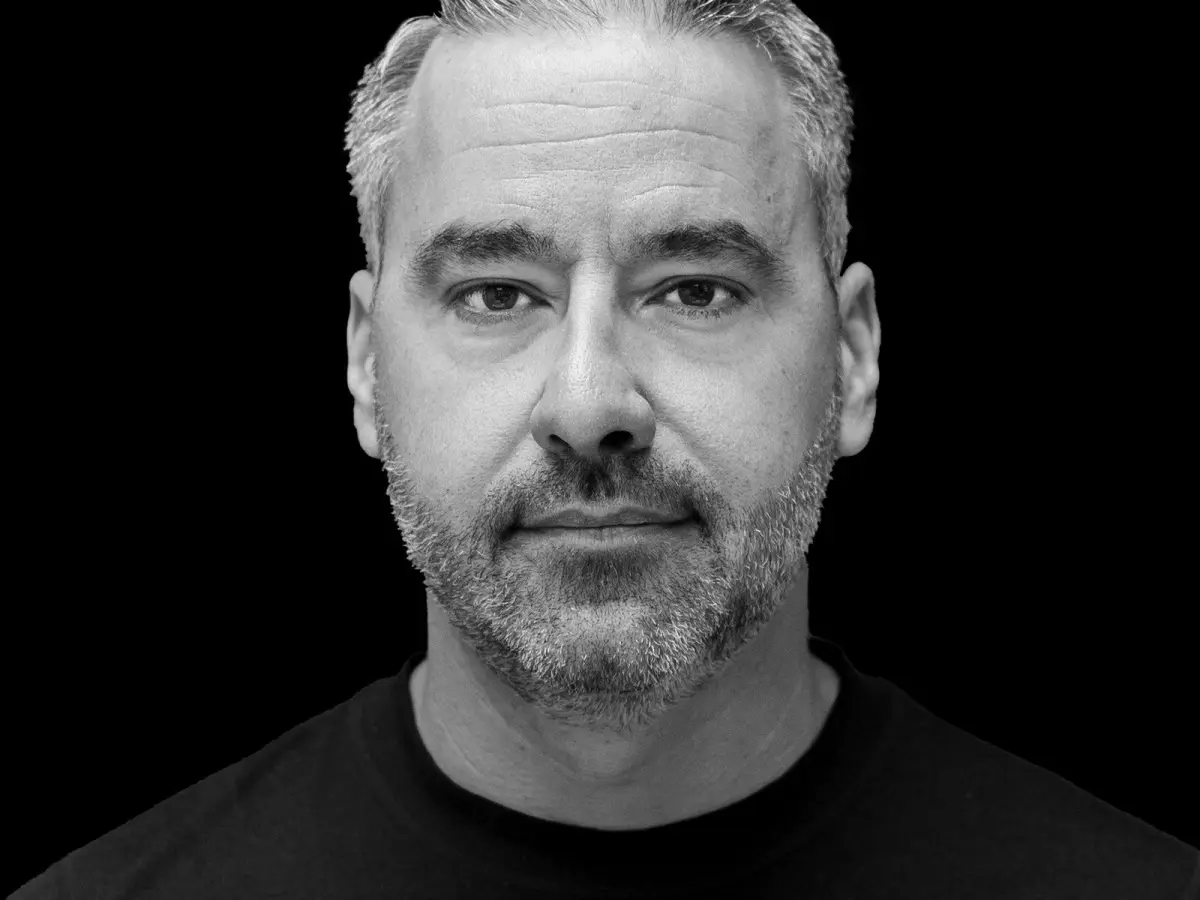 Brett TannerHost, founder of Be Wealthy
 Katelyn MitchellCo-host, runs operations for Brett
In 2023 Brett expected rates to fall to 5% and set off another run-up. Rates bottomed at 5.98% this February and then climbed back up, yet national prices still rose about 7.6% while Phoenix stayed about flat. He gave himself a C minus. His advice is to stop holding out for rates, because you can always refinance later.
Jump to 8:19Credit card balances went from $1.08 trillion to $1.26 trillion, and total household debt is $18.8 trillion. Subprime auto loans 60 or more days late hit 6.9% in January, the highest since tracking started in 1994, and two subprime auto lenders collapsed last year. Brett took an A minus because it is leaking and hasn't blown up yet. He still calls it a ticking time bomb.
Jump to 10:22FHA is the largest low down payment loan, and its default rate went from 10.8% at the end of 2023 to 11.8% now. Foreclosure filings were up 21% year over year in the first half of this year, and banks took back 27% more homes in 2025 than in 2024. Brett gave this a B. What he missed is how tightly people hold a low rate. Owners with a 2.78% 30-year fixed mortgage stick to it like glue and don't move.
Jump to 12:25Brett expected student loans and bank losses to cause a crisis. By April 2025, 31% of student loan borrowers with a payment due were 90 or more days late. Bank unrealized losses on securities went from $684 billion to about $327 billion, so the crisis never came. Katelyn's read is that every call happened in some form, and an outside force either added pressure or released it.
Jump to 17:34Brett predicted that overvalued private and public companies would see their valuations go backwards, and most did, with the most down rounds ever. But 2025 was the second biggest year for venture money ever because of AI. He gave himself a B minus. His lesson is that a new player can walk in and change the whole game.
Jump to 20:40This was Brett's A and the call he is proudest of. Commercial property is still about 14% below its peak, and a stabilized apartment building trades near a 5.2 cap with debt about 200 basis points above that. So he and Katelyn buy real estate-backed businesses that mom-and-pop owners run poorly, then spend 12 to 24 months turning them into passive assets. At Apple Mountain that meant 180,000 square feet of buildings with almost no one in them.
Jump to 22:44Brett was sure the 1.9 billion square feet of office space in America would get turned into apartments once people kept working from home. It didn't happen, because of the cost, the permitting, the counties and the retrofitting. Conversions are expensive, slow and hard to finance, so many buildings just sit empty. He gave it a D: wrong, but he never placed the bet.
Jump to 25:48Everybody I know who waited for rates to come down is still waiting. We can't predict what rates will do.Brett Tanner · at 8:19
The calls Brett wrote in October 2023 that he gave a letter grade on the episode, with what the data showed.
| The 2023 call | Grade | What happened |
|---|---|---|
| Rates fall to 5% and spark another run-up | C minus | Rates bottomed at 5.98% this February and went back up. National prices still rose about 7.6%. |
| Housing demand stays strong because of the supply problem | B | No crash and national prices are up, but more inventory came back than he expected and results are very local. |
| Consumer debt and subprime auto are a ticking time bomb | A minus | Subprime auto loans 60 or more days late hit 6.9% in January, the highest since 1994. |
| Low down payment mortgages default at higher rates | B | FHA defaults went from 10.8% to 11.8%, and foreclosure filings were up 21% in the first half of this year. |
| Costs keep outrunning wages | C | Prices are up about 8.6% and wages about 10.8%, though Brett doesn't trust the inflation numbers. |
| Overvalued companies see valuations go backwards | B minus | The most down rounds ever, but 2025 was the second biggest year for venture money, due to AI. |
| Nothing cash flows, so you have to get creative | A | Commercial prices are still about 14% below peak, and debt costs about 200 basis points more than apartment cap rates. |
| Empty office towers get turned into apartments | D | Cost, permits and retrofitting stopped it, and many buildings sit empty. |
Tap any chapter and the video starts right there.
“All of them happened in some capacity, but there was an outside force that either applied additional pressure or released the pressure that changed the degree upon which it happened.”
Katelyn Mitchell at 18:35Brett's best call was about creating cash flow in commercial real estate, so value a building off its income before you buy.
Brett's call is no. He thinks rates stay above 6% all the way through 2029, and he hates making that call. The railroads and the highways each cost about $700 billion, adjusted for inflation, while estimates for the AI build-out over the next 5 to 10 years run $6 trillion to $10 trillion. Too many dollars chasing too few goods pushes prices up, and rising prices push rates up.
Brett says don't hold out for rates. In 2023 he expected them to fall to 5%. They bottomed at 5.98% this February and went back up, and national prices rose about 7.6% over those three years anyway. Everyone he knows who waited is still waiting, and you can refinance later if rates do drop.
Brett points to hard assets that do well when inflation runs high. Real estate is a strong one, especially with the longest fixed mortgage you can get, because you pay it back with future dollars that are worth less. He says high rates can still be a winning setup if you own the right assets.
Brett predicts about 30% fewer agents by 2029, with fewer people doing more deals using technology and AI. The agent count dropped from 1.58 million to about 1.44 million in recent years, roughly 10% fewer, which was less of a drop than he expected. He also expects AI to create other jobs.
Brett expected the 1.9 billion square feet of office space in America to be converted after remote work stuck. It mostly hasn't happened because of the cost, the permitting, the counties and the retrofitting. Conversions are expensive, slow and hard to finance, so many owners let buildings sit empty. He graded that call a D.
0:00I believe that we are at the starting point of something's going to happen in the next three years. Those who were paying attention were able to look at what was coming down the pipe said something is coming. The world is changing. Some people get wiped out in the storm and some people get made. Everybody I know who waited for rates to come down is still waiting. If I had to pick a number today because it's a prediction game, 30% less agents by 2029, I think rates stay above 6% all the way through. Welcome back to the Be Wealthy Podcast. Katelyn, I haven't seen you in forever. I am Brett Tanner. Join by the one and only Katelyn Mitchell. Katelyn, it is great to see you here today. There's so much going on and what I want to talk to you today about are predictions. And so Katelyn, I've made a lot of predictions in my life and you do not know this. You know almost everything about me, but you don't know this. That in my notes. You're in modern day Nostradamus. Oh,
1:01that will lead right perfectly here, but you did not know that. I actually write predictions in my notes. And I can't remember what book I read, but someone along the way, they said, you should write down the things that you believe will happen in the future and see how right you are. And you kind of quickly learn, we don't know as much as we think we do. We all think that we can predict the future and we can't. So I went back, Katelyn, to October of 2023. Close your eyes. Three years ago, boom. Okay, we're there. You're there. Around Halloween, you can make a Halloween if you want. That's okay. But I wrote in my notes, okay? I wrote my notes. The storm is here. That's what I wrote in my notes. And I made predictions on what I believe would happen in the next year or the next couple of years. And so I think it's funny to go back and grade those predictions. So I grade them A to F, how did I do? And I'm gonna kind of walk you through them. But I think we're in really interesting times today and I think everyone should play the same game. And number one, the better that you can get about predicting the future, the better outcomes you can create.
2:04In a lot of cases, Katelyn, we get pretty accurate. Now there's a few things where you're gonna see here today where I just missed a mark and I don't know what the heck I was thinking back then. And that's just a part of it. But it's really interesting that we all make massive predictions and I really believe we think we're righter than we are. So here, writer, I don't know if that's even correct, English, we're more correct than we are. You see this, Katelyn. You can't be writer. I'll say, it comes up in two different ways. You'll all say, Brett, we need to go in this direction because of X, Y and Z. And you say, Katelyn, do you have a crystal ball? How do you know any of that is fact? The other way you say it is, I'll come to you and say, Brett, what should we do in this situation? Which direction is it gonna go? And you say, Katelyn, we don't have a crystal ball. We don't always know exactly what's going to happen. What's going to come. But what we do know is what has happened over time and how to make the right calculations moving forward. So I'm really excited to see what these predictions are because I've been with you during a lot of this time.
3:10And so one of the books that inspired this episode, Katelyn, was a book written by my current favorite author, which is Morgan Housel. And he wrote a book called Same as Ever. And that came off a question that they asked Jeff Bezos, right, I never interviewed her like, oh my gosh, what do you think is gonna happen in the next five years? And he goes, that's an interesting question. The question that I was more obsessed with at Amazon was what will be the same in five years? Because we live in the most interesting period, I believe, of human existence right now, right? You're in this age of AI, extreme innovation. And yet there are some things that Katelyn, I believe you and I could predict that will be the same in five years. And so if you go read that book, and so we learned that like, while we can't predict everything, and as you do this more and more, you'll realize how little you can predict. So you've gotta get down to the few things that you can. And so here's how we're gonna grade today. And A, Katelyn means that I was right and the data proves it, not Brett proves it, the data. Cause I'm a big data guy, the source of truth. B means I was mostly right, but there
4:11was something I didn't see. A C means I was half right. You get, you know, whatever, I was half right. D means I was wrong and I didn't get hurt. And F means I was totally wrong and it cost me money, time, energy, something. And I'm gonna give you my biggest miss and my new calls for the next couple of years. And so we can literally archive this in the just history books of podcasts. Katelyn, we can come back to this in three years. Won't that be wild to see what happens? But so today, go back, Katelyn, you're in October 2023. So we gotta remember what this looked like. At that moment, when I wrote that note, the 30-year mortgage hit 7.79. The highest since the year 2000, the five-year treasury touched 5%. I got a, it sounds kind of crazy, Katelyn. And it does sound a little like today. Does it not? It's like, we are real, real, real, real, real, real, real close to that now. So, Katelyn, three years ago, what had happened was, interest rates were shockingly similar to today. Silicon Valley Bank, Katelyn,
5:13this is when they had just, they had already failed, okay, in the spring. So like we were in that era. By the way, that, for me, that seems like that was like a year ago, even though that was over three years ago. But if you remember, three years ago is that weird period where like home sales were a little weird, agents were a little weird. And every investor. It was starting to get, everything was starting to slow down and people had, it had skyrocketed the way I remember it is. After COVID, I mean, the market skyrocketed, home values skyrocketed, realtors were busier than they've ever been, servicing their clients. And this was the first things were, the first six months, probably ending right about October 2023, where things started to feel weird. You didn't know quite what was going to happen, but you knew something in the air was changing. The lead indicators in our industry were changing. If you were only looking at the lag indicators, maybe in your business, it might've felt like, oh,
6:14nothing's happening yet. But those who were paying attention and were able to look at what was coming down the pipe said something is coming, the world is changing. And it was this exact moment. And the reason I'm filming this here today, Katelyn, is I believe that we are at the starting point of something's going to happen in the next three years. Okay, like what happened over the last three led us to here. And so I want our listeners and viewers to hear that, Katelyn, storms don't hurt everyone the same way. Some people get wiped out in the storm and some people get made. And my hope is that the listeners and viewers at the end of this can be more prepared for challenge or opportunity or the storm that is coming. And so you've got to, the number one way to survive a storm, Katelyn, and to do the best in it is you've got to be prepared. Preparedness in a storm equals success. And right now we can all get prepared for what's coming. So my first prediction, Katelyn, in going back three years ago, it's do rates get to 5% and do we get another
7:14massive real estate run up? Okay. That was a question. They were at 7.79% when you wrote this and you said do rates drop down to five and then real estate sky rockets yet again? I thought rates would come down, right? So like, I was like, they're going to go down. And so the grade on this one before I go into the data, my grade on this was a C minus. So I'm half right, which is never where you want to be. Let's call that minus will be enough. It sounds awful. Rates never got to five, but they did. So it was a little later, rates got down to 5.98 this year, okay? In February of this year. So I mean, it was longer than I thought, but then they go right back up to where they're at today. So did prices run up? Prices are up from three years about 7.6% nationally, okay? So kind of called that. Rates didn't come down. Despite the high rates, prices still went up, which I did not believe was possible. Prices here in Phoenix are a little flat.
8:19So here was the lesson I took from it. Everybody I know who waited for rates to come down is still waiting. We can't predict what rates will do. I would have even thought even now, I thought rates will, we need rates to come down. And if anything, we just raised rates, right? And we're likely going to raise them. Rates are going up. So the point I'm making to people, if you believe that rates are going down, as you're listening to this, don't be like me three years ago, that may not happen. Don't give yourself a C minus, Katelyn. I think they're generous with a C minus. I was pretty much entirely wrong. So by the math in front of you, you can always refinance, right? So don't hold out for rates. If you need help in your business right now, you've got to challenge or an opportunity that you really want to hone in and capitalize on it and make a game-changing breakthrough in your business. Come out to our one-day workshop. This is something we've never done before. We're now doing them at the resorts we've bought, so they could be at Apple Mountain, Georgia. They could be in Northern Arizona. They might even be in Belize in the future, but you get to come to a one-day where they're, I'm not going to present slides. It's literally you and your business and you're
9:20going to leave with an action plan you can implement in your business. Go to bewealthypodcast.com and you can click on our upcoming events and see where we'll be and book to come. The room is limited. We have no more than 15 people in the room. Go to bewealthypodcast.com and you can book our one-day workshop coming up. All right, Katelyn, my next call. I believed that real estate has built-in demand because of the supply problem. Housing will stay strong. What happened this grade here? I got a B on this one, okay? B, ultimately I believe that real estate, demand would stay strong. So there was no crash, national prices are up. We talked about that. But strong depends where you live, right? So the B I got was I'm right on the big picture. The national market didn't crack. I underestimated how much inventory would come back. And I would underestimated how local it would be, right? You've still got markets in the country that
10:22Katelyn is doing really, really well. You got some markets that are not doing well at all that are a total disaster right now. And so we ought to realize that there's a national market, there's a local market and don't confuse the national with the local, right? It's an easy mistake. You can go like, oh, it's bad and my market's bad everywhere. Maybe, maybe not. So what's the bubble we can't see? I believe Katelyn that consumer debt and subprime auto, I've been talking about this forever, I believe that it's a ticking time bomb and it still is. I got an A minus on this one, okay? You and I have been talking, we study credit card debt. We look at the average savings rate in America. We look at you and I look at this all the time because I believe this is where you can show where pain is. When people start defaulting on their credit cards and cars, that's where pain shows up first. So what happened? Credit card balances Katelyn went from 1.08 trillion to 1.26 trillion total household debt,
11:2518.8 trillion dollars. The share of those credit cards and autos that are 90 days late, they went up. I called it. Subprime auto is where it broke. Subprime auto loans that are 60 plus days late in January of this year hit 6.9%. That's the highest level Katelyn since 1994 when they first started tracking it. So in other words, since they have the data, it's all time. Two subprime auto lenders actually collapsed that happened last year. So I named it, it happened, it's real. But where I didn't get the full A is it didn't blow up yet, right? It's just leaking. I still think if I was predicting right now, I do think that's a ticking time bomb. It's just a matter of time. I believe today it'll change where if the banks start shortening people's credit lines it's a disaster, right? Hey, your credit line Katelyn, you got 30 available. We're gonna chop that down. We're gonna keep chopping it down. So I said that, hey, the loans with low down
12:25payments, right, that are done, some of the loans with low down payments won't hold, right? That if you don't make the big enough down payment, the PMI is higher, you're gonna have a greater default. And so that's what I believed. I gotta be honest with you. So your call here, but this call was people who had low down payments on mortgages were in bad shape and it was gonna be a crisis. Would experience greater pain and because of the lack of skin in the game they would default in greater rates, okay? So I gotta be on this. So here's what happened. FHA is the largest low down payment loan. They were 10.8% at the end of 2023. They're 11.8% now. So they're defaulting higher than other things but I don't know, you get a lot of credit for calling something going up 1%. For closure filings, the first half of this year were up 21% year over year though and banks took back 27% more
13:26homes in 2025 than 2024. So B, right, like, I didn't nail it all the way through. What I underestimate, people that have a low mortgage rate are sticking to it like glue, right? They're not leaving. I hit my 2.78% 30 year fixed mortgage and I'm not moving. Right in the world functions really off the move up and move down buyer and we're just not seeing that today. So, you know, you've gotta just look at that and you watch today what's going on with defaults on the FHA side. You should also just watch on the overall defaults and foreclosures. Are they climbing or are they not? And I got that one semi-right. My next thing was like cost and wages were out of balance. Things seem expenses to me. Wages weren't rising at the level that costs were. And so like I was at, is this the new normal? Like I just believe the costs were getting out of control. I got a C on this, I was half right. Katelyn, prices, since I wrote that note,
14:26they're up about 8.6% but wages are up 10.8%. So wages are beating inflation. Now my asterisk here in the data is, and I've said this before, I don't believe the inflation numbers we get are accurate. So I'm not trying to change my C, Katelyn, into an A, but I also know that we change the basket of goods and how we measure inflation based on what we like and whatever political party wants to show. I believe today, Katelyn, if we took and we went and got your basket of groceries that you get, and we got them three years ago, we got them today, I don't believe they went up 8.6%. I would fight that very, very hard. So the point, the thing I learned there, Katelyn, prices don't actually go back down unless we get into a crazy time. Like prices that rise, they hold. They may stay stagnant at that level. But prices, not talking housing, talking about the price of milk, price of commodities, those things in the store. I have not, in my lifetime, I'm trying to think, like I haven't seen, have you ever seen the price of
15:29milk actually go down? Like it's interesting, like maybe when I was a teenager, maybe I don't know, there's a period of time I don't know. Like I haven't been, now I know there's periods of time back in history where this could be true, but in your of my lifetime, and Katelyn, you haven't lived as long as I have, so you maybe would have less experience to talk about it, because you're a millennial. I haven't seen prices. Have you seen prices of like the standard things you buy in the grocery store plummet in value? Like, oh my God, we got to buy a bunch of bread because it's down right now. Well, it's only not over a significant period of time. There might be, you know, President Trump likes to talk a lot about how he really brought the cost of eggs down, right? He loves it, that's his speaking point. It was a campaign promise and he made it happen. Well, the reason it originally spiked didn't necessarily have to do with inflation. There was something in the micro egg market, right, that caused that spike. It then came back down and over the course of the past 10 years, eggs have always gone up. There was one little spike
16:30for a specific reason. You can go back to, you know, hey, when your dad may say when I was in school, I had to walk uphill both ways in the snow and ice cream cone cost a nickel, right? Things are going to go up over time that are our affordability concept, which is what you're talking about here. Totally, totally. It's been said that the breakthrough in your life is gonna come from a person, an idea, maybe a strategy. And I believe that every person has one breakthrough from just changing their entire life. I want you to come spend one day with me, in my office with no more than 15 business owners, bring your biggest challenge, your biggest opportunity and let's solve that so you get what you want and you don't end up with a career that doesn't land where you want at the end, go to bewealthypodcast.com. So my next prediction, Katelyn, I believe there was extreme problem with the Fed, like our debts getting out of control or record debt, record war record debt, you know, as rates rise or just payments on the debt we have as a country are extreme.
17:34And so I believe, like, we got a couple of solutions. I believe that student loans would mass default because they didn't pay for a period of time, right? And now it's like, hey, Katelyn, you didn't pay on your student loan from COVID to 2023 and now you got to pay. I'm like, anybody who wasn't paying, they're not going to want to pay. Like, no one wants to. Katelyn, if I told you to pay for a long period of time, I'm like, hey, you got to pay. You're like, no, I don't want to pay. That's a very logical thing. So I believe that all of that would create problems in the economy and then banks would start sitting on losses. So that was my guess. I got to be on this student loan payments, came back online. By April of 2025, Katelyn was student loans, 31% of borrowers with a payment due were 90 plus days late. I nailed it, right? You went and got that art history degree from Columbia and you don't have a job. You're not that jacked about paying it, right? It's just not that an art history degree isn't awesome. So I don't want to knock people to God. It's just the financial applications tougher. And so banks, they did have unrealized losses
18:35on securities that they were 684 billion. When I wrote the note, they're about 327 billion now. So banks are, they've got unrealized losses, but they didn't increase dramatically, right? Shockingly enough. And then for the period of time, for the Fed cut rates, right? So the problems I listed did show up, but the crisis that I thought might occur because of them did not, right? So some of the things happened. And I would argue if I was arguing today, was I just early, right? Katelyn, was that call early and it's going to happen? You know, time will tell. Well, I'm seeing a theme here. They're all happening in some capacity. And so there's a pressure that was either applied or a pressure that was released that changed the variability of each of these pillars that I'll look at them as far as is the calls you made, the predictions you made. All of them happened in some capacity, but there was an outside force that either applied additional pressure or released the
19:39pressure that changed the degree upon which it happened. So the way that you looked at it, you know, I started off by joking that you're a modern day Nostradamus. It's that you were sitting down looking at the economic forecast as it exists, identifying areas where there were cracks in the structure and then you predicted what you thought would happen. So what degree of it would happen? But I do think something that everyone on this call should do is go into exactly what you did at the beginning of this, which is to look at the economies that's sitting out there today and you don't have to be perfect, but see if you can identify where those cracks are. See if you can identify what may go wrong and the likelihood is it will go wrong is just to what degree will it go wrong. So to your point, will the pressure apply in the next three years that will cause it to go catastrophic in that specific call that you made? Or will it really continue to release
20:40the pressure and get better? But all these things did go wrong, Brett. It's just what degree did they go wrong? That's right, that's right. So the next one, Katelyn and 2023, I believe that there were private companies and even some public ones that were radically overvalued and I thought the valuations would go backwards dramatically. Okay, we were seeing it then and I thought that would occur. And so I got a B minus here. I was right in everything but AI, right? I mean, obviously three years ago, AI was a thing, but you and I weren't really talking about it. So all the valuations, most of the valuations I was right, they have gone backwards dramatically on some weird stuff, except AI. Unless the company was AI related, yeah. And then those were AI, boom. We saw the most down rounds ever and I believe you'd have less money going into private and new enterprise that are being launched. And in 2025 was the second biggest for venture money ever, due to AI,
21:43right? So what I learned, what I took away from that was you could be completely right on a new entrant in the field comes in and changes the whole game. And I did not, again, who would have predicted? I think if you had asked anyone three years ago what they thought AI would be doing today, no one would have predicted where we're at today. Like no, there's no way you and I would have said that you've named a machine, Justine, after a movie and it's become your second best friend only to me. I think that if I'd have told you that three years ago you'd have called me a liar. I literally just told you that before we started, you know. I literally just said it like, but she and I have become very close. My AI is Jarvis, because obviously I believe I'm Tony Stark. And so I've got, you know, Jarvis, he is other than you, he's my next best friend. All right, so I believe like it was, you know, three years ago, man, it's really, it's hard to get anything to cash flow, right? Businesses venture, like it's hard to find cash flow. And the only way to cash all what I wrote down
22:44was I've got to get creative, okay? So this is the call I'm most proud of, Katelyn, because let me see what the rating I got here. What rating I get, I got an A, it's like best rating. So, you know, I believe that, you know, commercial property and prices are still about 14% below their peak. Office is a disaster. I did call that. An apartment building today trades at roughly a 5.2 cap rate in our 10-year treasuries. You know, that's pretty tough, right? Like it's starting to, so the old debt is still the asset. When I wrote about 58% of all the mortgages in America, when I wrote that were under 4%, today it's still about half. So there's still half the mortgages out there, Katelyn, below 4%. Isn't that mind-blowing? So where's the opportunity today? Commercial real estate where the mom and pop operator are not doing a good job.
23:44Katelyn, that's what you taught. And I talk about it's where we're investing our dollars. Like what we've done at Roundhouse, Apple Mountain, and what we're looking at, all the things we're buying today. We're finding operations. You've got to go create the cash flow, right? When you and I bought Apple Mountain, well, the golf course was working, not really. The other side is just completely vacant. We bought literally, what is it? 180,000 square feet of buildings that did not have one human in them. You and I were the only residents. No, we didn't. Once we got there, there were two of you. Well, and Cole, we had three humans right here. That's what I was saying. Other than that, it was 100% empty. Well, he was my only friend. So there was an opportunity. And then we got Action and Adventure, aka Russ. He was there as well. So there's four occupants. But my point is that we've got to go create the cash flow because if you look at buying an apartment building today that's a fully stabilized, beautiful building, the debt rate is 200 basis points higher than the actual cap rate. And Katelyn, I don't know how to, my
24:48calculator does not make money doing that. Again, what are we looking at? So we're looking at anything that's backed by real estate that we could convert, right? A real estate-backed business that we can step in there, operationalize and turn into a passive asset after 12 to 24 months of work. That's what you and I are doing. And you and I get on planes and fly around the country doing that. So that is the opportunity. So this was the one we wrote it three years ago when we're living it today, we kind of nailed it. I believed that this is the one that I got a D. Katelyn, which means I was entirely wrong and I just didn't lose on it because I didn't place the bet. I believe because post COVID all these office buildings were vacant, huge towers of office buildings were all vacant. And I'm like, there is no unringing that bell saying people are gonna come back to the offices, right? Once we said, Katelyn, you can work from home in your underwear. People are not gonna drive back to the office in droves, right? You, a luxury once tried becomes a necessity is the rule of all things in life. And so the luxury of working from home,
25:48you're never getting rid of it. So I thought we're gonna take, you know, this 1.9 billion square feet of office space in America and convert it to apartments. I'm like, how logical is this? Okay, we got these huge towers. There's a residential tower here. Just take this one. Turns out it's not happening. It's the cost to do it, the permitting, the counties, the retrofitting. It's just not happening like I thought it would. And so my lesson, Katelyn, that I learned is just because something makes sense doesn't mean it pencils. Conversions are expensive, slow, hard to finance. And somehow it makes more sense just to let a building sit empty, right? Like I would not have predicted that you just have big buildings go to nothing and it still remains to be seen, right? Like if the prices fall further, will someone do it? Again, I was, I'm still shocked by that one. And I would have made, knowing what I know now I wouldn't make that prediction. I still think it makes sense. I had to
26:49change my, I had 130 rental properties and I realized in my life I was climbing the wrong mountain. If you've got single family rentals and they're not cash flow in the way you want, you want to move into commercial real estate, you don't know the steps. Come join us at a one day workshop at one of our resorts where we moved my single family rentals and I can show you exactly how I changed my cash flow dramatically and tripled it through commercial real estate. Go to bewealthypodcast.com, click events and you can see where we will be at one of our resorts and show you how you can do it too. All right, Katelyn, next one. I made some predictions in my own companies. And one of the questions I had is if we were starting over today building a traditional real estate team, could be close to the, I was like, could this be, is this not a great idea, right? Like, is it not great timing if I were starting over? And I looked at what happens. So I'm like, all right, is like, I believed you're gonna see just this mass exodus of the real estate industry. Because as things get hard, that's
27:49typically what happens. And, you know, if you go back at the end of 22 there was 1.58 million realtors. And now it's about 1.44. So it changed, but you know, 140,000 agents are gone. Let's call it 10%. It wasn't as just big as I thought. So I thought less people would enter. So more people are entering. So it's just an interesting one, right? Like I, it gave me a score that I don't think's accurate. I just, when the industry shrinks, the answer isn't more people. Now where I think it's gonna happen in the future, if I'm predicting the future, Katelyn, it's going to be less agents doing more deals. And I believe that's gonna be powered by technology. So that'll be my prediction. I think you'll have, I think the real estate market's going to be fine or flat. And I think you'll see the agent count go down over time. But we'll, we'll see. So, I mean, where am I gonna go here? So my report card, Katelyn, I didn't crush the report card. And the point I want to make everyone like is you can read all the time and still be wrong. I was
28:53right about some things. So I'm thinking about what are the things that I believe are same as ever? Or what can we predict knowing what we know today? And being a little smarter and a little more thoughtful than I was three years ago. Katelyn, every year I learn, I don't play with the same person. So here are my five calls between for the next three years by 2029, okay? My first one, I hate this call. I think rates stay above 6% all the way through. Oh, brutal. Now that's a crazy one to call and I could be entirely wrong. My reasoning for that, I'm gonna tell you why. So Katelyn, do you know when we built all the railroads in America, adjusted for inflation, so I've already given you today's number, what do you think that cost, all the railroads we built in America? I have no clue, Brett. I wouldn't even know how to come up with a number for that. Exactly, it's an impossible question. 700 billion is the answer, okay? Do you know what we need all the highways? And we're like, we're gonna have highways across the country. We go put in that infrastructure. That cost about 700 billion as well.
29:55So we're about $1.4 trillion, okay? Do you know the estimates of the AI infrastructure buildout that we project over the next five to 10 years? You're talking everything from data centers to manufacturing to all of it. Energy, all of it. Six to 10 trillion. So I only know this, Katelyn. I saw what happened when we, in COVID, when we let $7 trillion on fire really, really quick and that caused the world inflation to skyrocket, right? When you have too much money chasing too few goods and services, right? I believe in the economics class that I showed up at, they call that inflation, right? Prices will rise. When you have too many dollars chasing too few... Yes. It's a crazy concept. And so when you have that, Katelyn, when you have too many dollars chasing too few goods and services, Katelyn, what does that cause prices to do? They gotta go up. So when price go up, what
30:57does the government have to do as prices go up? They have to raise interest rate. Right, and you go spend six to 10 trillion dollars. It's likely that inflation could stay high Again, there are forces that can be outside of this prediction that could manipulate this, but if not, I think that's what you're gonna see. Right, stay high. The way to slightly hedge against this, and by slightly I mean entirely, if you wanna go back and watch Josh Mettle's podcast with you, is to invest in assets today. You need to be holding... We're not holding hard assets. Hard assets. It's not necessarily Bitcoin, I get that, but you need to invest in hard assets. You need things that do well in high inflationary environments, right? Real estate's a great one, especially with the longest fixed mortgage you can get, right? Why? Cause you're paying it back with dollars in the future that are worth less money, right? Cause inflation, mass inflation,
31:57erodes the value of the dollar. So it doesn't mean... So just because rates are high, Katelyn, this is not a negative. We should have to be... There's a way to win in all environments, but I believe you're going to see rates stay high. I think that you're gonna see the lock-in breaks. And what I mean by that, today about half of all the mortgages in America are under 4%. And at the pace it's been falling, like if you project that, if we get to about 40% of people by 2029 would have a low mortgage, okay? I believe it's going to be less. Eventually people are gonna start moving more, right? They're holding on to their homes now, but stuff's just gonna come up and they're like, all right, I don't like my house anymore. I've had two extra kids here and we literally got people sleeping on top of people and we're just gonna eat the 6% mortgage instead of the four, right? I think you're going to see people that are locked into their mortgage are going to start moving more than they have so far, okay?
32:58My next prediction, Katelyn, I don't believe that everyone in AI is gonna win. Like while we use AI, I think there's going to be, like today there's probably, I wouldn't even know the number, 50 or more companies that are quote, AI investments. And I think by 2029, I could still be early with this. I think there's gonna be two to three winners, right? They'll be the winners and everyone else is gonna get, just, they're gonna go away and those valuations will pop, right? They'll go public, you know, for 500 billion or trillion and they'll go kaboom. I touched on this one earlier, so this one, I think you're gonna see a lot less agents. I think you'll see, if I had to pick a number today, because it's a prediction game, 30% less agents by 2029. Again, it'll be, you know, and these are linked together. I think you're going to see AI equip agents and lenders and title people. I think you're going to see more productive people, but less people in some of those industries. But I'm not
34:00fearful of the jobs. I think you're gonna see other jobs created because of AI. I just don't think they're going to be in, like I don't think real estate agent teams, they're gonna have more transactions done through less people with the power of technology. And so Katelyn, everyone should go out, number one, read the book Same as Ever. It's incredible. If you love that, go read Morgan Housel's other two books, The Psychology of Money and the Art of Spending Money. But do this, leaving this episode. Go write down your predictions for the next three years. Call about your market, write down your business, write out your money, then go to your calendar, three years from now, and put your predictions in there, right? Do what you did and see how accurate you are and get better at predicting outcomes. The better Katelyn we can get, at predicting what could occur, the better we can invest our money, the more peace we can have, and the better risk-adjusted rates of return we can have. And this is the conversation, Katelyn, you and I have all the time. It's the conversation we have at the Be Wealthy Mastermind. If you wanna come check out our upcoming
35:00Mastermind, we do have a couple seats you could come see us. Please join us and have this discussion with us as we capitalize on the biggest opportunity of your lifetime, which is going to occur in the next five years. That's Katelyn Mitchell. I'm Brett Tanner, and this is another episode of the Be Wealthy Podcast. We'll see you here next week.
One day in the room with Brett on your real numbers. You leave with a 5-year plan.